Top Dog Breeds With Breathing Challenges: Study Identifies the Worst offenders
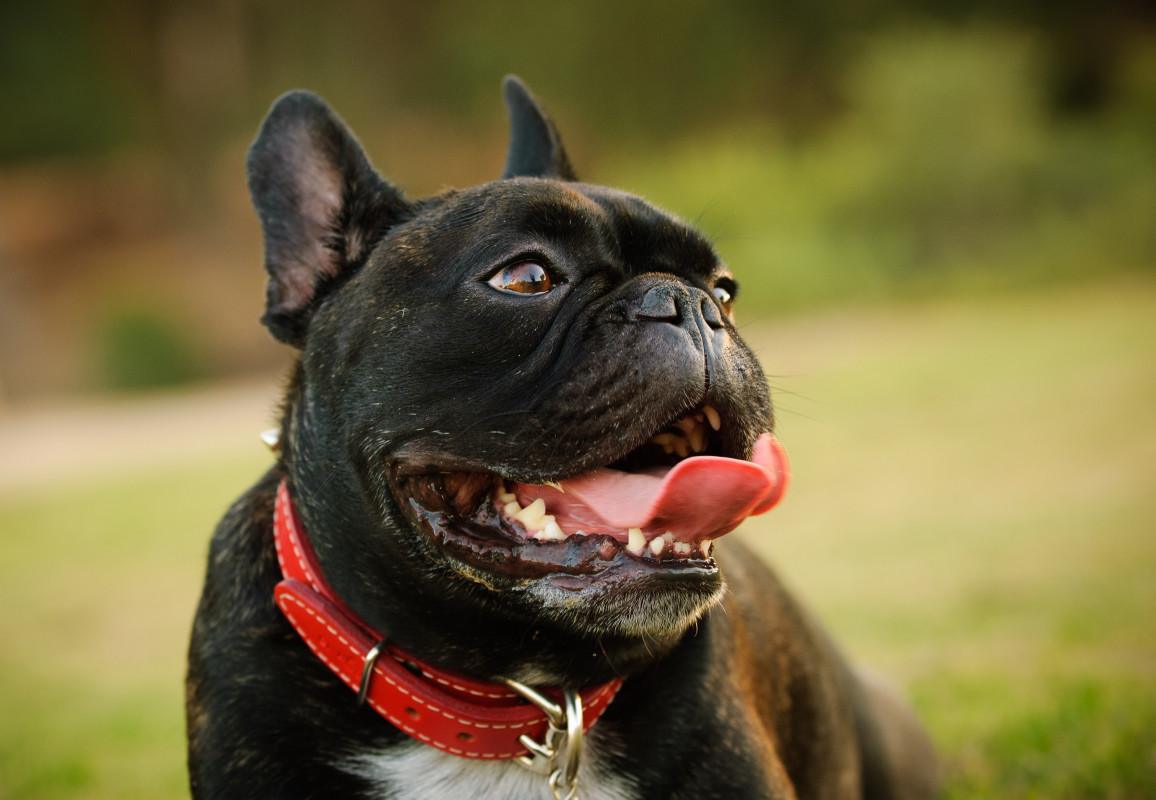
Understanding the Challenges of Flat-Faced Dogs
Have you ever wondered why some dog breeds struggle to breathe more than others? From Bulldogs to Pugs and Shih Tzus, many of the world’s most popular pups share one distinctive trait: a short, flat skull, also known as brachycephalic. This unique physical characteristic can lead to a variety of health issues, particularly related to breathing.
A recent study explored how much this trait impacts dogs’ health, analyzing breathing issues across a wide range of breeds. What researchers found shows just how common and undeniably serious these problems can be, especially among some of your favorite pets.

Why Flat-Faced Dogs Struggle to Breathe
Flat-faced dogs more often than not suffer from a condition called brachycephalic obstructive airway syndrome (BOAS). This condition is exclusively caused by their short skulls, which can make breathing noisy and difficult. It can also limit exercise, make hot days especially dangerous, and reduce their overall quality of life.
Until recently, most research focused on Bulldogs, French Bulldogs, and Pugs, but this new study expands the pool to 14 breeds in the UK, including Shih Tzus, Chihuahuas, Boxers, and Pekingese. The findings highlight the widespread nature of breathing issues among these breeds and emphasize the need for awareness and proactive care.
The Breeds Most Affected
The study looked at 898 dogs across 14 flat-faced breeds in the UK, making it the most comprehensive analysis of BOAS in these breeds to date. Almost all of the dogs showed some level of breathing problem, with Maltese and Pomeranian being the only breeds without serious issues. Notably, older dogs tended to be more affected, but the condition can absolutely appear in dogs of any age.
Here’s how the breeds stack up in terms of severity:
Highest risk:
– Pekingese – only 10.9 percent of dogs were free of signs.
– Japanese Chin – only 17.4 percent were unaffected.
Moderate risk:
– Griffon Bruxellois, Boston Terrier, King Charles Spaniel, Dogue de Bordeaux, and Shih Tzu all showed a noticeable presence of BOAS, though not as severe as the high-risk breeds.
Lower risk (still very much affected):
– Staffordshire Bull Terrier, Cavalier King Charles Spaniel, Chihuahua, Boxer, and Affenpinscher all had a higher proportion of dogs with minimal signs, but abnormalities none the less.
Even though Bulldogs, French Bulldogs, and Pugs are the breeds most people think of when it comes to breathing problems, their exclusion from this study makes it clear that breathing issues are common across most other flat-faced breeds as well. Owners should keep an eye out for the usual signs of distress, no matter the breed.
How to Spot Signs of BOAS
Spotting signs of BOAS early is key to keeping your furry friend healthy for years to come. Keep an eye (and ear) out for the following symptoms, no matter your pup’s age:
- Short, noisy breathing, snoring or wheezing
- Difficulty exercising or tiring quickly
- Trouble sleeping or restless nights
- Overheating easily or panting excessively on warmer days
- Signs of stress in daily life
It should be said that mild signs are totally worth noting, because severity can vary and early detection can make a big difference for your fur baby’s quality of life. That said, if you think your little one is showing signs of BOAS, take a beat, breathe, and schedule a vet visit so you can get it diagnosed and stay ahead of the problem rather than behind it.

- Latihan Soal OSN Ilmu Komputer SMA 2026 - June 1, 2026
- Latihan Soal OSN Kebumian SMA 2026 - May 31, 2026
- Latihan Soal OSN Geografi SMA 2026 - May 30, 2026



Leave a Reply