Health System in Full Emergency Mode After Iranian Missile Attacks in South
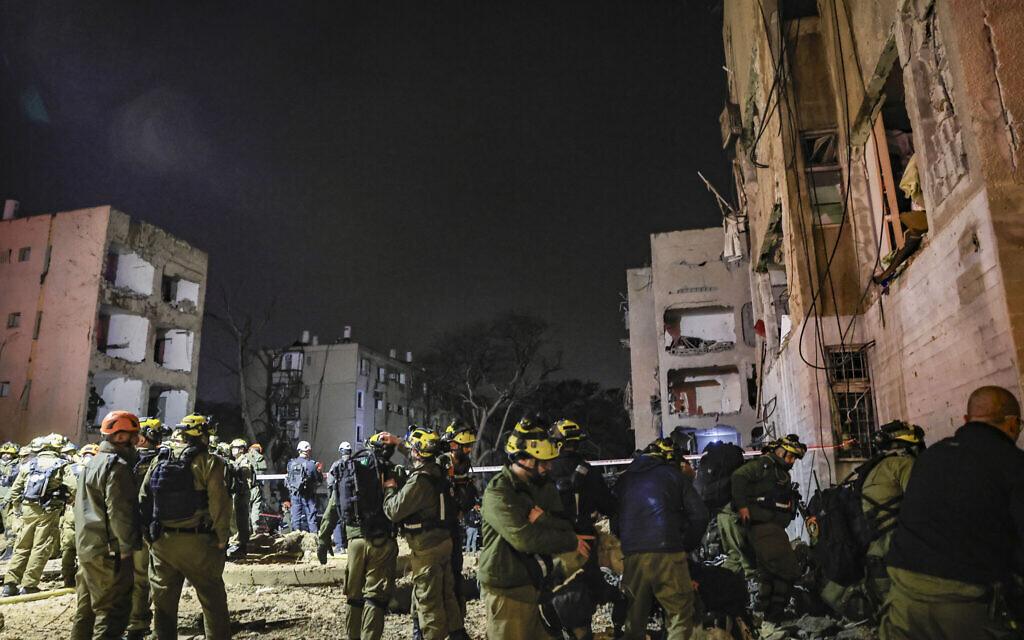
Emergency Response in Full Swing After Iranian Missile Attacks
In the wake of a recent Iranian ballistic missile strike that targeted the cities of Dimona and Arad, dozens of individuals—both adults and children—have been wounded and are now being evacuated from hospitals in the southern region to medical facilities in the central part of the country. This move comes as the Health Ministry’s Director General, Moshe Bar Siman Tov, announced the activation of full emergency protocols to manage the crisis effectively.
The health system is currently operating under full emergency mode, with a focus on addressing both the immediate physical and long-term mental health needs of those affected. The situation has prompted the preparation of additional resources to support the population in the south, particularly for those who have been displaced from their homes and relocated to hotels in the Dead Sea area.
According to the ministry, eight of the injured are in critical condition, while 16 others are in moderate condition. These numbers highlight the severity of the attacks and the urgent need for coordinated medical efforts. In addition, the National Resilience Center has reached out to the mayors of Dimona and Arad to ensure that all necessary assistance is provided to the affected communities.
“This is a complex and difficult sequence of events,” said Siman Tov. “The regulated evacuation between hospitals allows us to maintain a high level of care for each casualty, even when there are several incidents at the same time.”
He also expressed his admiration for the medical teams and rescue and recovery personnel who are working tirelessly under challenging conditions. “I would like to pay tribute to the dedication and professionalism of these teams, who continue to save lives despite the ongoing threats and complexities of the situation.”
Psychological Support and Community Assistance
In addition to the physical care being provided, the ministry has emphasized the importance of psychological support for those impacted by the attacks. The public is encouraged to reach out to resilience centers and emergency and emotional support centers affiliated with healthcare networks to access necessary psychological assistance.
These centers play a crucial role in helping individuals cope with the trauma and stress associated with such events. The ministry has reiterated its commitment to ensuring that all affected individuals receive the support they need, both in the short term and as the situation continues to evolve.
Ongoing Efforts and Future Preparedness
As the health system remains on high alert, officials are also focusing on future preparedness. This includes not only managing the current influx of patients but also planning for potential future incidents. The collaboration between different levels of government and healthcare institutions is seen as essential in maintaining an effective response.
The National Resilience Center is working closely with local authorities to identify any gaps in the current support systems and to implement measures that will enhance the ability to respond to similar situations in the future. This includes improving communication channels, increasing resource allocation, and strengthening community-based support networks.
Conclusion
The Iranian missile strikes have underscored the importance of a well-coordinated and resilient healthcare system. As the situation unfolds, the focus remains on providing comprehensive care to those affected, both physically and emotionally. The efforts of medical professionals and support staff continue to be a vital component of this response, ensuring that lives are saved and communities are supported during these challenging times.

- Latihan Soal OSN Ilmu Komputer SMA 2026 - June 1, 2026
- Latihan Soal OSN Kebumian SMA 2026 - May 31, 2026
- Latihan Soal OSN Geografi SMA 2026 - May 30, 2026
Leave a Reply