How MAPS Breaks Down Barriers for Homeless Students
Understanding the McKinney-Vento Homeless Assistance Act
Students experiencing homelessness in Manistee County, as well as across the United States, have access to a variety of resources and support systems through the McKinney-Vento Homeless Assistance Act. This federal law was enacted in 1987 with the goal of ensuring that all students, regardless of their housing situation, have equal access to educational opportunities.
The act was later amended to remove barriers that prevent homeless students from enrolling in school and to provide necessary support for their academic success. One key requirement is that every school district must have a designated McKinney-Vento liaison. These liaisons play a crucial role in connecting students with the resources they need to thrive academically.
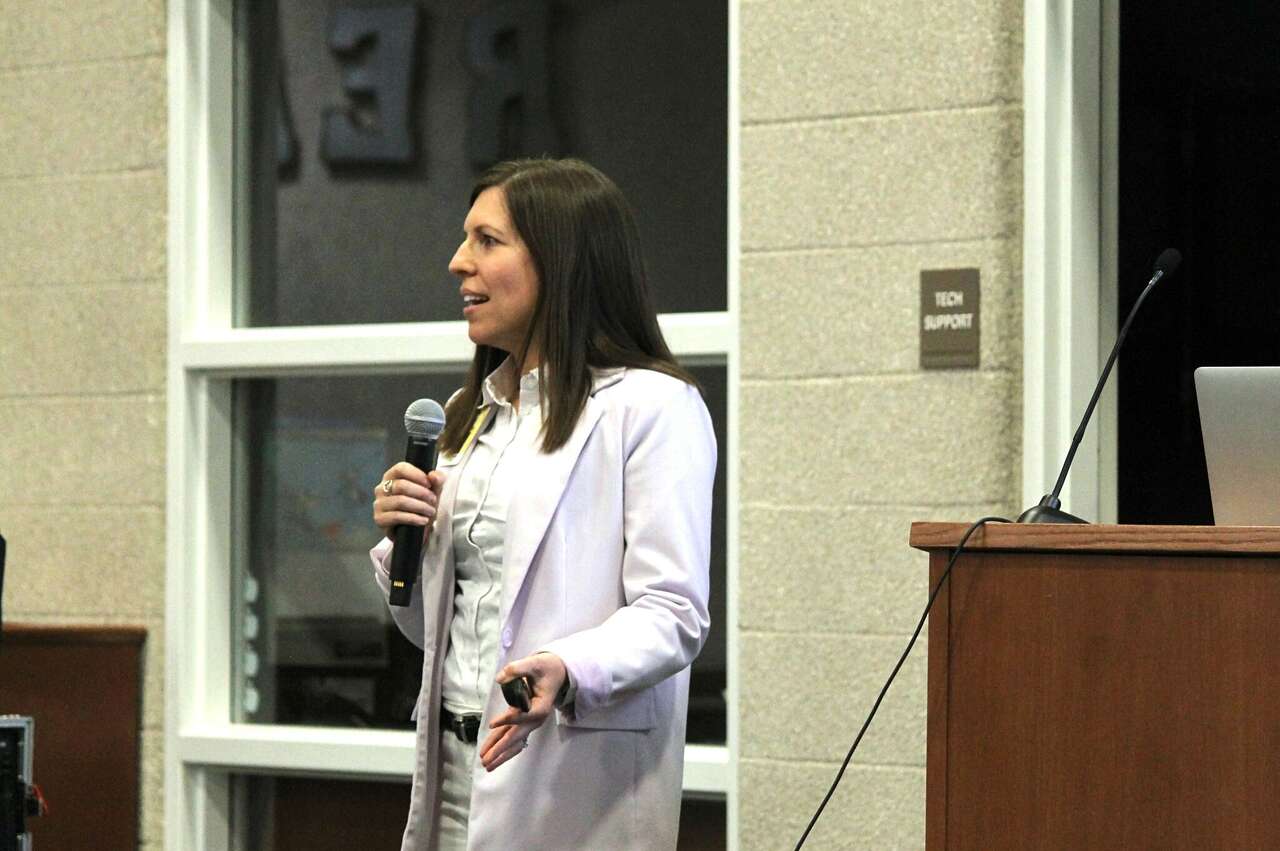
Amber Kowatch, the McKinney-Vento liaison for Manistee Area Public Schools (MAPS), explains the importance of the act. “The McKinney-Vento Act serves the purpose of providing additional support so that any student who is living with homelessness has the same access to all of our great educational programming as any other student,” she said.
Kowatch’s responsibilities include ensuring proper documentation related to the act and making sure that MAPS students have access to the educational programs they deserve. She highlighted several ways the district supports these students, including:
- Providing transportation assistance
- Connecting students and families to community agencies or organizations that offer additional support
- Ensuring there are no extra fees for field trips, textbooks, or other school-related expenses
- Facilitating access to medical staff when needed
In addition to these services, students also have access to the district’s behavioral health team, which includes counseling and therapy services. “Really we just try to eliminate as many barriers as we can to make sure that their ability to get to school and be successful in school is there,” Kowatch explained.
Eligibility Criteria for the McKinney-Vento Act
According to a McKinney-Vento eligibility flowchart, students may qualify for assistance if they meet certain criteria. These include:
- Lacking fixed, regular, and adequate accommodations
- Being “doubled up” due to loss of housing, economic hardship, or similar reasons
- Staying in hotels, motels, trailer parks, or campgrounds
- Residing in places not meant for human habitation, such as a porch, barn, storage unit, or car
Kowatch noted that the district often becomes aware of a student’s eligibility during the enrollment process. “One of the questions on our registration form asks if they are living in a homeless situation,” she said. “Sometimes it surfaces up because they confide in a staff member.”
She added that MAPS typically has between 10 and 20 students who qualify for assistance under the act at any given time. “It’s not usually a super huge number, but we definitely have students who qualify,” she said.
How to Access Support
Kowatch emphasized that any MAPS students or families struggling with stable housing should reach out to an adult within the school district. “They can certainly come directly to me, or their building principal or their child’s teacher,” she said. “We just want to help all of our kids be successful.”
While Kowatch was available for comment, Deb Kortman, the McKinney-Vento liaison for the Manistee Intermediate School District, could not be reached for further information.

- Latihan Soal OSN Ilmu Komputer SMA 2026 - June 1, 2026
- Latihan Soal OSN Kebumian SMA 2026 - May 31, 2026
- Latihan Soal OSN Geografi SMA 2026 - May 30, 2026
Leave a Reply