March Heat Wave Sparks Fire Season Concerns
Unprecedented Heat Wave Sparks Concerns for California’s Fire Season
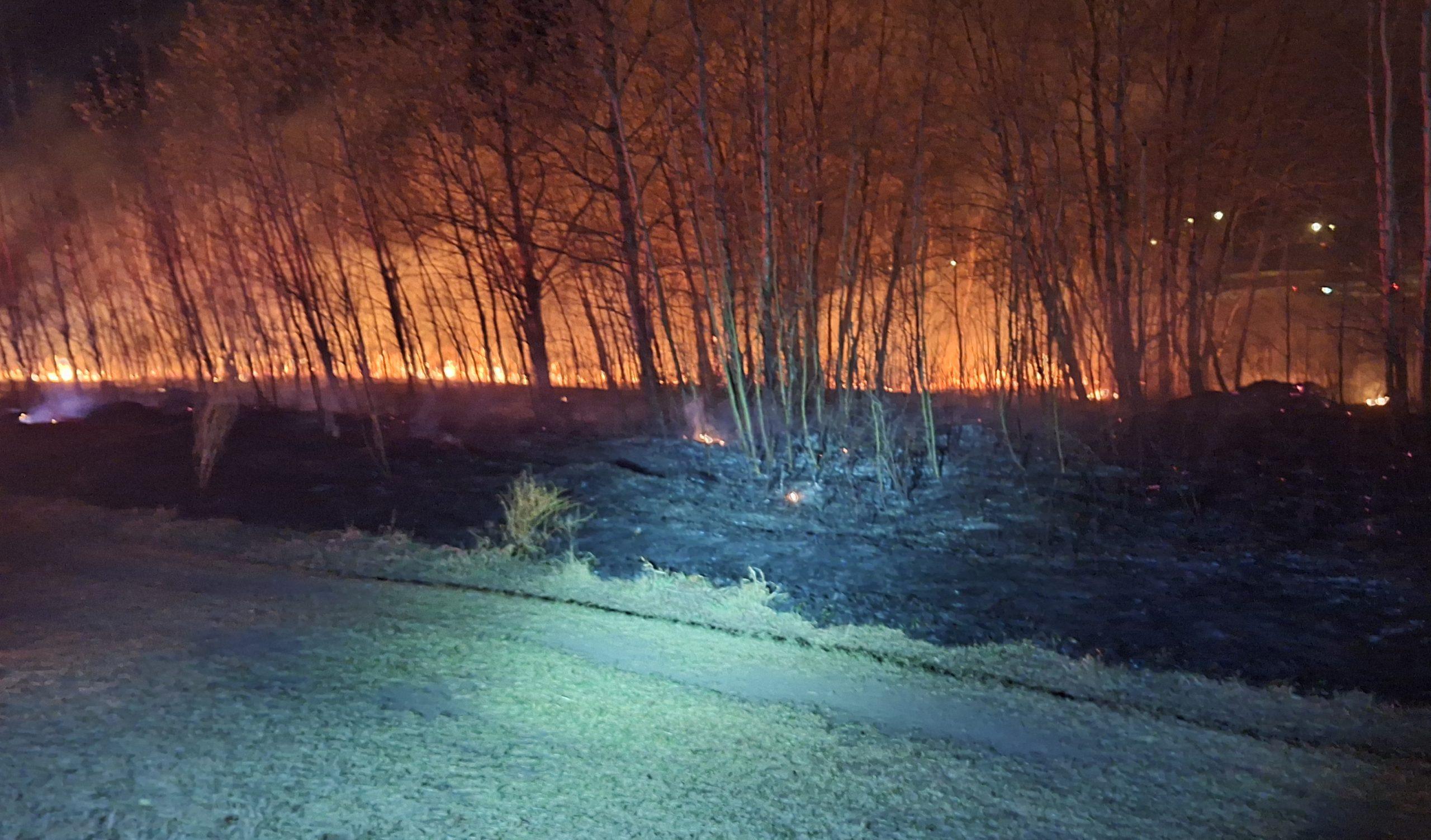
The five-day heat wave that shattered records across California and the West this week is finally easing, with temperatures in the Bay Area expected to drop from the 90s to the 70s over the weekend. However, the lasting effects of the unusually hot and dry month of March are expected to have a significant impact throughout the summer, particularly in terms of increased fire risk across the state.
Daniel Swain, a climate scientist at the University of California Agriculture and Natural Resources division, emphasized the severity of the situation. “Much of the West is experiencing the warmest temperatures ever recorded in March,” he said. “It’s really just kind of mind-boggling.” While many people assume that summer is when the heat peaks, Swain noted that the current conditions are far from normal.
The record-breaking heat has accelerated the drying of grasses and vegetation, which experts warn could lead to more severe wildfire conditions later this year. Craig Clements, director of the San Jose State University Fire Weather Laboratory, explained, “The hills are starting to turn brown. Vegetation will dry further and quicker because of the heat. It’s almost like we’re in the middle of May, but we’re in March.”
Impact on the Sierra Nevada Snowpack
The heat wave has also had a dramatic effect on the Sierra Nevada snowpack, which serves as a critical water source for nearly one-third of California’s supply. On Friday, the statewide snowpack was at 36% of its historical average — down from 76% on February 20. Andrew Schwartz, director of the UC Central Sierra Snow Lab, described the rapid melt: “We’re seeing an incredibly fast melt. The snow pack is leaving the hills really quickly. Stream flows are increasing. It’s looking like we might melt out before April 1.”
This year’s snowpack reading on April 1 is expected to be the second-lowest since the 1920s, following only the 2015 season, when it was 5% of normal. Although California is not currently in a drought, the lack of snow means that the state may not experience four consecutive wet winters.
A month ago, the snow around Schwartz’s lab was 8 feet deep, but by Friday, it had dropped to just 2 feet, with patches of bare ground visible. Temperatures in the Sierra have remained above freezing, even at night, with daytime highs in the 70s. “It’s been nice having the warm temperatures up here,” Schwartz said. “People have been outside enjoying it. But the thing hanging over everyone’s head is fire season.”
Preparing for a Risky Fire Season
Fire experts are closely monitoring the upcoming summer, noting that unless California experiences late-season storms in April, the fire season could be longer and more dangerous than usual. “Fire risk has been low across the state,” Clements said. “This will start to change it.”
Despite the benefits of recent wet winters, which ended previous drought conditions and filled reservoirs, these conditions do little to mitigate fire risk. “We could very well see a situation in parts of California with extreme wildfire risk conditions later this summer, especially in the forests, with above-average reservoir levels,” said Swain.
Cal Fire has already begun boosting staffing levels in anticipation of a potentially active fire season. Chelsea Burkett, a Cal Fire spokeswoman, noted, “It hasn’t been as wet of a winter as we would have liked. That means we could start seeing fires occur sooner.”
Climate Change and the Future of Extreme Weather
The latest heat wave was driven by a strong high-pressure system that created a heat dome over the West. This phenomenon, where hot air becomes trapped near the surface, has become more frequent due to climate change. Scientists say that the burning of fossil fuels is intensifying heat waves and droughts.
According to NOAA, the 10 hottest years on record globally since 1850 have all occurred since 2015. On average, global temperatures have risen by about 2.4 degrees since 1850-1900. When the Sierra snowpack melts early, plants and soils dry out faster, and reservoirs are not replenished as they would be during a typical spring and summer.
“This type of winter is what we are going to see more of,” Schwartz said. “We have had plenty of precipitation this year. But we have been in a snow drought. We can expect more years like that with climate change. A year like this was going to happen anyway, but climate change has made it worse.”
Increased Preparedness for Wildfires
In response to the growing threat, California has significantly increased its fire protection budget. Since 2019, Cal Fire’s budget has nearly doubled from $2 billion to $3.8 billion, and staffing has grown from 5,829 to 10,741 positions. The agency has also acquired new resources, including helicopters for nighttime water drops and C-130 Hercules air tankers. Additionally, with UC San Diego, Cal Fire has established a network of over 1,200 remote cameras across the state to detect smoke and alert dispatchers automatically.
“We plan for every year like it is going to be the worst year,” Burkett said. “You never know what is going to happen. We need to be prepared.”

- Latihan Soal OSN Ilmu Komputer SMA 2026 - June 1, 2026
- Latihan Soal OSN Kebumian SMA 2026 - May 31, 2026
- Latihan Soal OSN Geografi SMA 2026 - May 30, 2026
Leave a Reply