Mandatory Evacuations Continue for Southern Colorado Wildfires
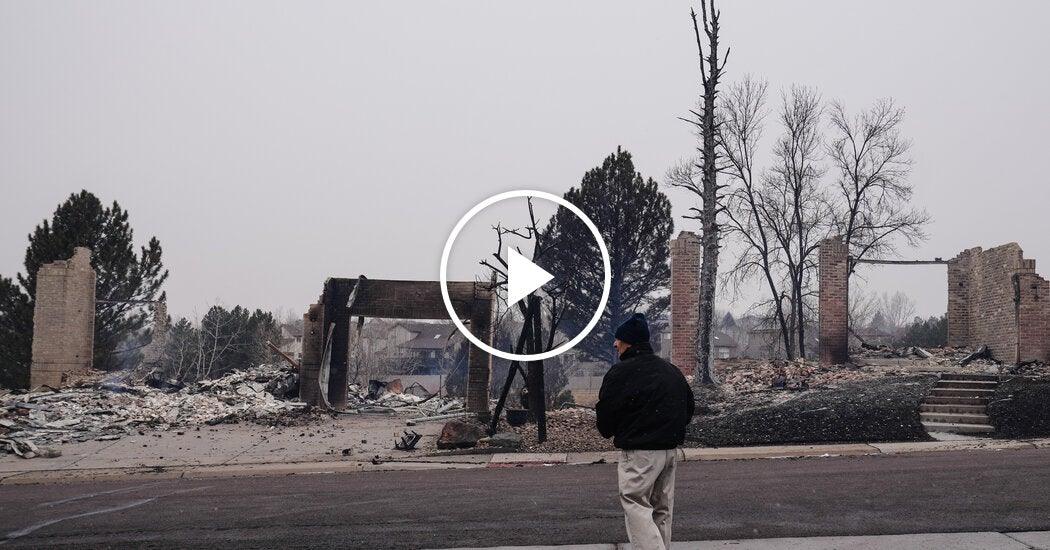
Ongoing Wildfires in Colorado Continue to Threaten Communities
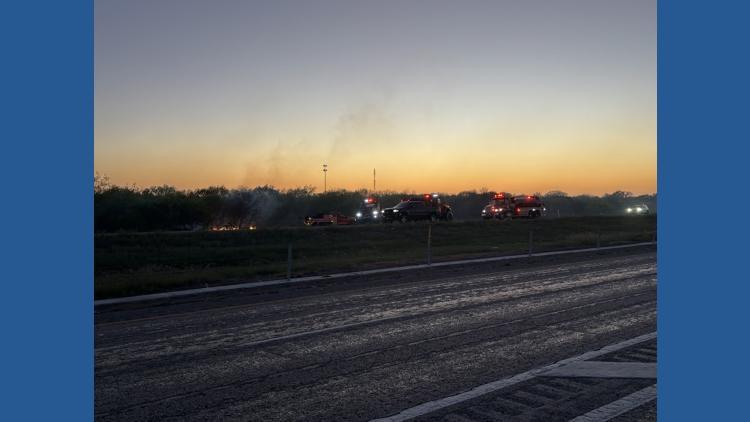
As of March 21, wildfires are still burning in two separate locations in Colorado, prompting ongoing mandatory evacuation orders for residents in Fremont and Costilla counties. These fires are located roughly 100 miles apart—one on Fort Carson and the other in Chama Canyon—each presenting unique challenges for firefighters and local authorities.
The fire on Fort Carson is currently burning across 1,126 acres and has no containment, according to a Saturday afternoon update from officials at the U.S. Army post near Colorado Springs. This represents nearly a doubling in size since Friday morning. A spokesperson for the base noted that high winds and hot, dry temperatures have significantly increased the fire’s activity.
Despite the growing threat, no injuries or structure damage have been reported so far. The fire continues to burn east of Colorado 115, which is closed in both directions from Rock Creek Park to milepost 21, approximately 6 miles north of Penrose. Around 80 homes along the highway corridor north of Penrose remain under mandatory evacuation orders. This includes a 2-mile area around Fremont County Road F45 and Colorado 115.
To the south, the Chama Canyon fire is burning on 141 acres of wildland in Costilla County, about 17 miles west of San Luis. Firefighters have made progress, achieving 50% containment using fire engines, heavy equipment, and aircraft. While the fire did not grow significantly overnight, mandatory evacuations remain in place for people living along Costilla County roads L.7 and N.2, as reported by the county’s office of emergency management.
Weather Conditions and Future Outlook
Colorado’s Front Range is expected to see a slight reprieve from the record-breaking heat that has contributed to dangerous fire conditions. According to the National Weather Service, temperatures will return to the mid-to-high 80s later in the week. This temporary break may provide some relief for firefighters and residents alike, but the overall risk of wildfires remains high due to the persistent dry conditions.
Impact on Local Communities
Residents in affected areas continue to face uncertainty as they await updates from local authorities. Evacuation orders can be stressful, especially when they are issued without much warning. For those living near the fire zones, the situation underscores the importance of staying informed and following safety guidelines.
Local emergency management offices are working closely with firefighters and other agencies to monitor the situation and provide timely updates. Communication channels, including social media and local news outlets, play a critical role in keeping the public informed about evacuation routes, shelter locations, and other important information.
Challenges for Firefighters
Firefighters are facing significant challenges in their efforts to contain the blazes. The combination of high winds, dry vegetation, and elevated temperatures makes it difficult to control the spread of the fires. Additionally, the remote locations of some of these fires complicate access for firefighting crews and equipment.
Despite these challenges, crews are working tirelessly to protect lives and property. The use of aircraft and heavy machinery has been essential in managing the fires, particularly in areas where ground access is limited.
Preparing for the Future
As the situation continues to evolve, residents are advised to stay alert and prepared. This includes having an emergency kit ready, knowing evacuation routes, and staying updated through official channels. For those who have already evacuated, it is important to follow instructions regarding when and how to return.
The ongoing wildfires serve as a reminder of the importance of wildfire preparedness and the need for continued investment in fire prevention and response efforts. As the weather patterns shift and the season progresses, the risk of wildfires may persist, making it crucial for communities to remain vigilant.

- Latihan Soal OSN Ilmu Komputer SMA 2026 - June 1, 2026
- Latihan Soal OSN Kebumian SMA 2026 - May 31, 2026
- Latihan Soal OSN Geografi SMA 2026 - May 30, 2026
Leave a Reply