Maine Students Champion Suicide Prevention Initiative
The Power of Peer Support in Mental Health Initiatives
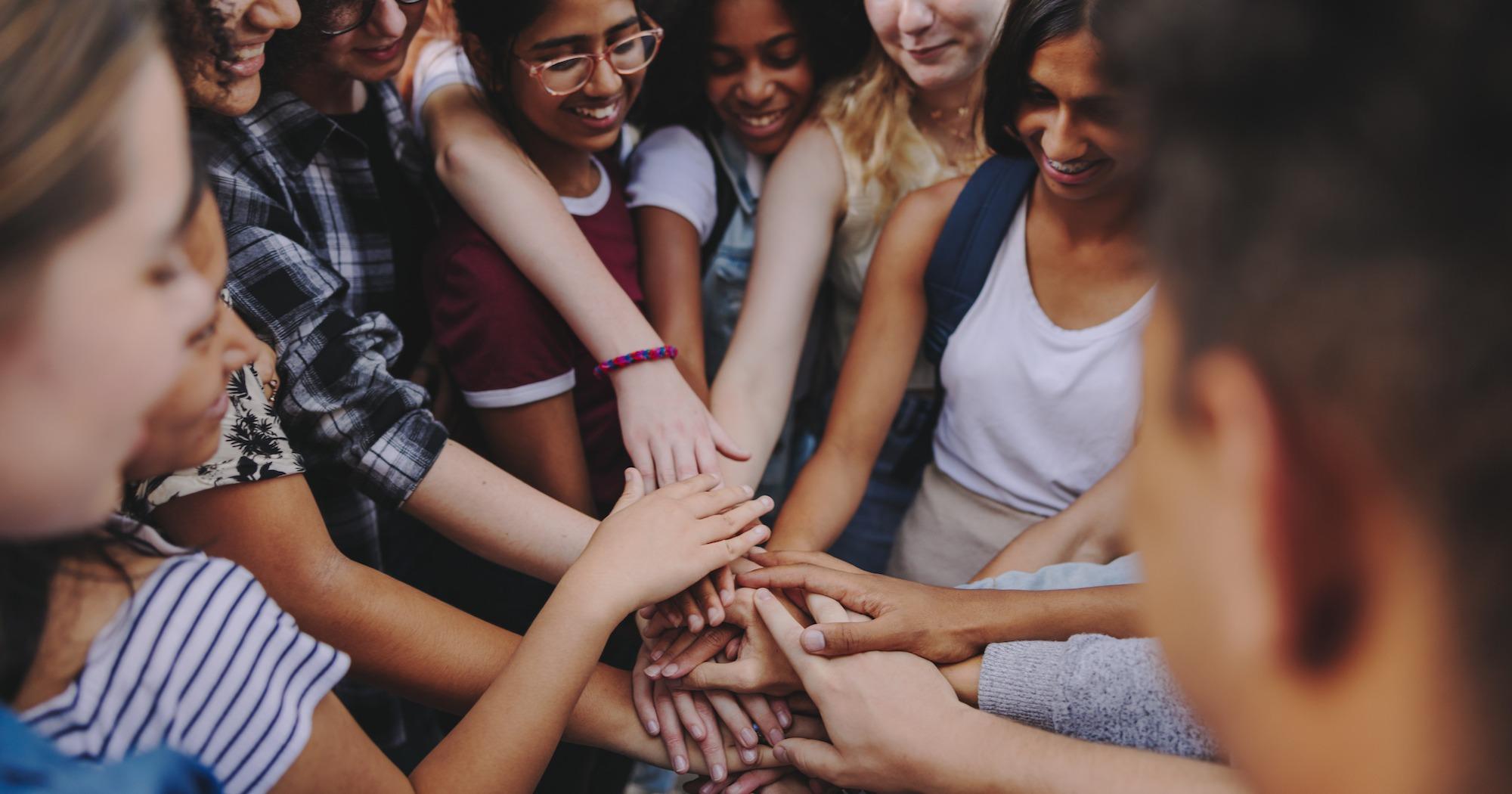
In the context of public schools, what may seem like simple conversations between students can have a significant impact on mental health. At Medomak Valley High School and other institutions across Maine, the Sources of Strength program is making a difference by focusing on peer support as a key element of mental health intervention.
Sources of Strength is a nationally recognized, evidence-based model that emphasizes the importance of building connections before crises occur. This approach has gained traction in schools, where student-led initiatives are becoming increasingly visible and impactful. The program is designed to empower students to be connectors—classmates who know how to listen, encourage help-seeking behaviors, and guide peers toward trusted adults when necessary.
At Medomak Valley, the program is guided by Regional School Unit 40 nurse Sherri Vail, who has been involved with Sources of Strength for four years. She describes the program as a strength-based initiative that helps students understand aspects of their lives they can work on to improve mental health. Through regular meetings and student-designed outreach, the program keeps mental health discussions open and normalized within school life.
Students at Medomak Valley have organized various campaigns, such as gratitude boards, thankfulness challenges, self-care reminders, and the distribution of mental health checklists. One of their most recognizable traditions is “Chalk About It,” where handwritten messages of encouragement fill parking areas each spring, serving as a reminder that support is always nearby.
Vail explains that the role of peer advisers is not to fix problems but to listen and, if needed, direct students to a trusted adult. This approach aligns with the reality of adolescent life, where teenagers often turn to peers rather than adults for support, especially during early stages of stress or anxiety.
The focus on peer relationships is central to the prevention model. Libby Wright, deputy director of NAMI Maine, highlights that peer support encourages help-seeking behavior and strengthens youth-adult connections. NAMI Maine, which coordinates the program in Maine, partners with the Maine Centers for Disease Control and Prevention to bring Sources of Strength into schools across the state.
Today, the program operates in approximately 35 middle and high schools, aiming to reach students earlier and sustain conversations about mental health across grade levels. Wright notes that today’s youth have access to more information, which can lead to comparative thinking and increased stress. The program addresses these challenges by promoting a sense of belonging and shared responsibility.
Key Elements of the Sources of Strength Model
The program is built around eight protective factors that research shows improve resilience and reduce risk:
- Family support
- Positive friends
- Caring adults
- Healthy activities
- Generosity
- A sense of purpose or spirituality
- Physical health
- Mental health
These themes are integrated into school life through student-led campaigns, including posters, announcements, art projects, and gratitude challenges. The messaging is intentionally positive and inclusive, avoiding clinical language and focusing on the importance of belonging and shared responsibility.
At Brunswick High School, students like Nicco Bartone and Grace Clendening emphasize the value of peer support. Bartone believes that talking through issues with someone your own age can be more helpful, while Clendening points out that many teens carry quiet struggles without anyone to reach out to.
Adults involved in the program acknowledge that students shape the culture of the school daily. By involving students in mental health initiatives, programs like Sources of Strength can create environments where discussing mental health feels safe and normal.
Matt Hofmeister, a Sources of Strength trainer, says that students set the tone for what feels acceptable and supported. He adds that excluding students from the process can lead to missed opportunities for meaningful engagement.
National evaluations of the program have shown increases in help-seeking behaviors and stronger perceptions of adult support. While peer-to-peer programs are not a substitute for clinical care, their impact relies on sustained adult involvement, administrative commitment, and accessible services when students do reach out.
As Maine continues to face persistent youth mental health challenges, programs that strengthen connections are increasingly seen as essential infrastructure. At Medomak Valley, the impact of Sources of Strength may not always be dramatic, but it appears in quieter ways—like a student realizing they’re not alone or having a conversation that might not have happened otherwise.
In those moments, the program becomes what it is designed to be: a lifeline built from relationships, reinforcing the idea that mental health is not something we build in isolation, but together.

- Latihan Soal OSN Ilmu Komputer SMA 2026 - June 1, 2026
- Latihan Soal OSN Kebumian SMA 2026 - May 31, 2026
- Latihan Soal OSN Geografi SMA 2026 - May 30, 2026

Leave a Reply