Why Younger Generations Are Choosing Caffeine Over Alcohol
The Changing Landscape of Social Drinking
Alcohol has long been a staple at social gatherings, but recent trends show that this is changing. In 2026, younger generations, particularly Gen-Z, are choosing caffeine over cocktails as wellness culture continues to grow. This shift is not just about avoiding alcohol; it’s about embracing a lifestyle that prioritizes mental and physical wellbeing.
Focus on Mental and Physical Wellbeing
Lauren Abendroth, Head of R&D at Death Wish Coffee Co., highlights that Gen Z places a strong emphasis on both mental and physical wellbeing. They are drawn to food and beverages that not only fuel the body but also offer added functional benefits. Alcohol, by its nature, conflicts with the goal of enhancing overall wellbeing.
At the same time, there is a growing number of appealing alternatives that not only taste great but also provide functional support for health. This makes it easier for consumers, not just Gen Z, to replace alcohol in social settings. Factors such as the rising cost of alcohol and the legalization of cannabis are also contributing to shifting consumption trends.
The Rise of Specialty Beverages
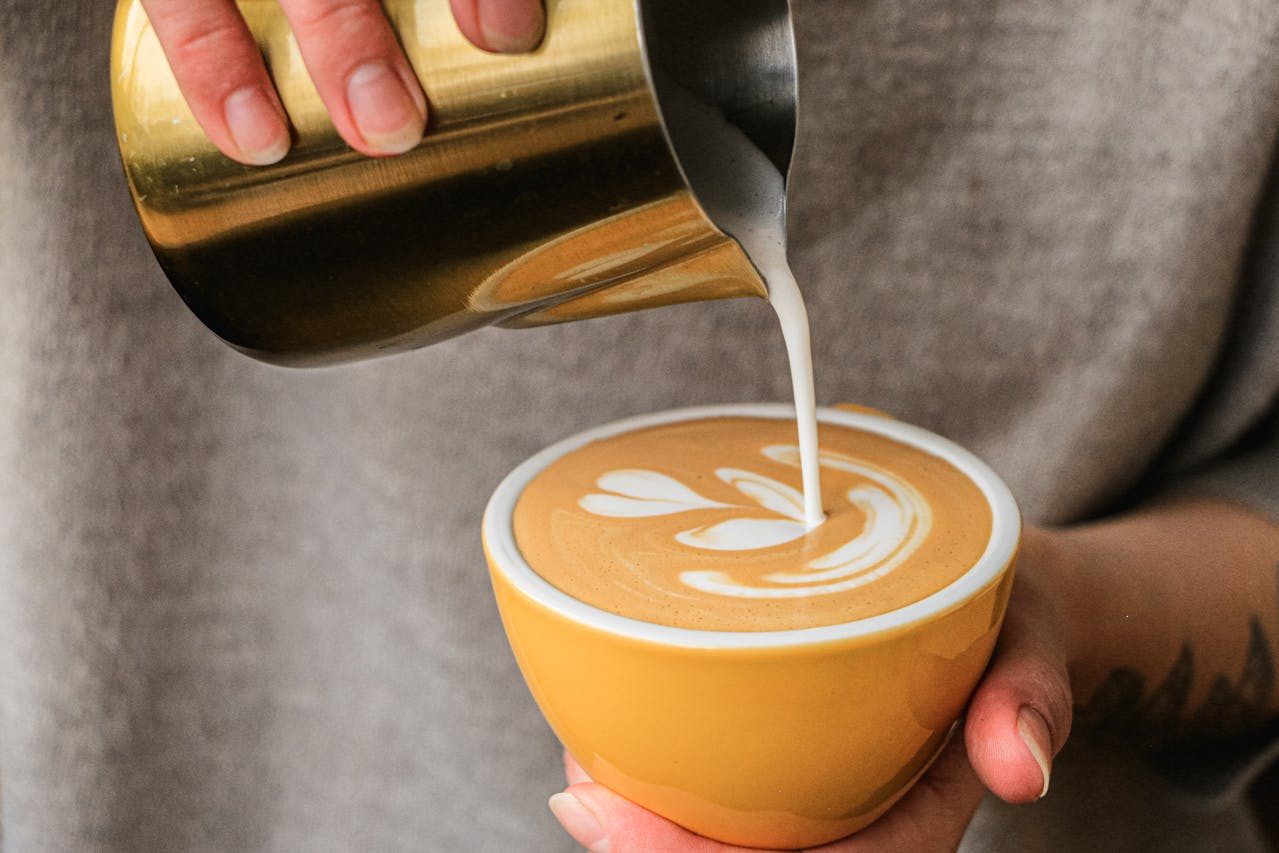
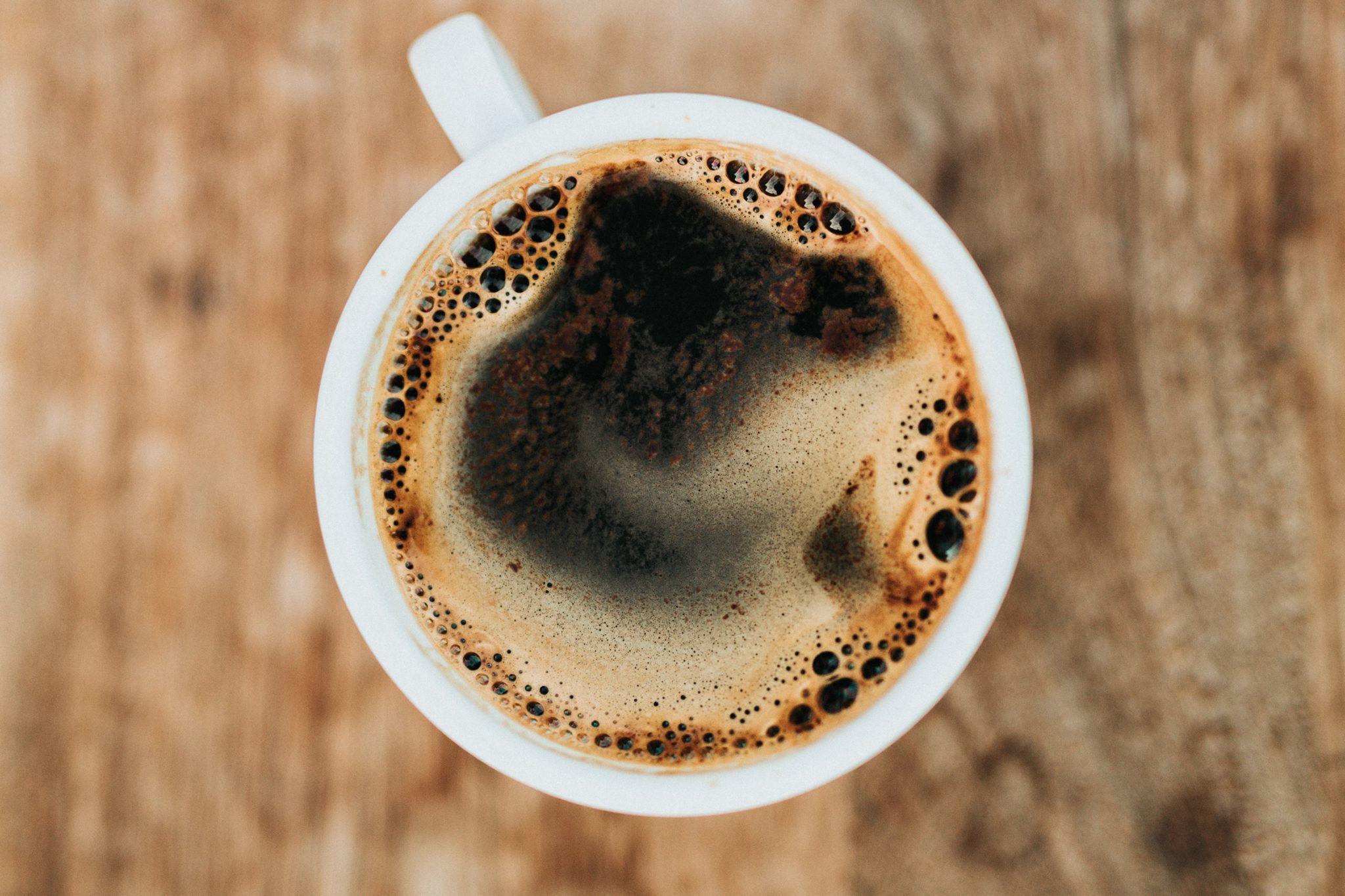
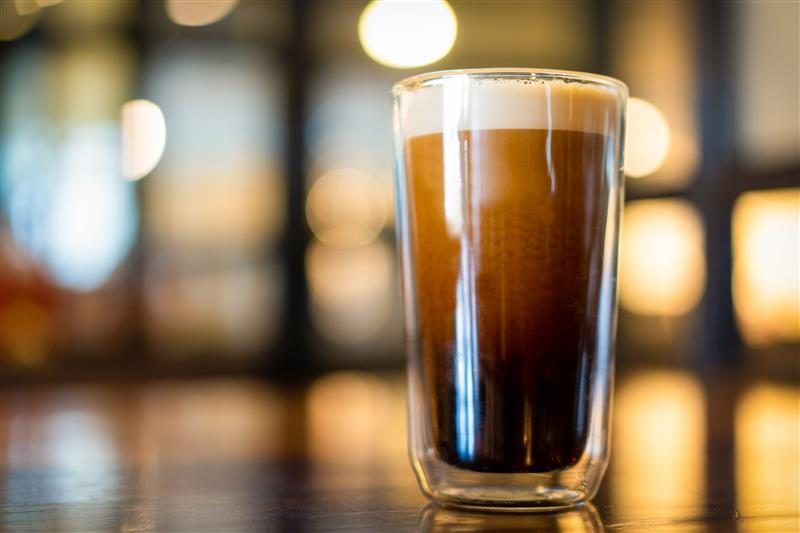
Alongside the increase in focus on health and wellness, the interest in specialty coffees and beverages is also on the rise. Caffeine-based drinks, particularly specialty coffee, make compelling alcohol alternatives because they come with built-in social rituals and offer occasion for connection.
Like craft cocktails, they also serve as a canvas for culinary creativity, offering depth and variety that invite exploration. The nuanced flavor profiles of coffee allow consumers to continually discover something new, whether by trying beans from different growing regions or those processed using distinct methods at origin, an experience not unlike exploring different wine varietals.
At the same time, coffee delivers functional benefits, most notably energy, without the downsides of alcohol, like the dreaded hangover. Meanwhile, the trends we’ve seen that many are swapping alcohol for caffeine also ties into the “sober curious” movement. Consumers still want to engage in social, food- and drink experiences, but they’re increasingly seeking options that help them feel good both in the moment and the next day.
Functional Beverages
There’s also a notable shift in expectations from beverages, as consumers now believe the products they choose should actively deliver positive value. It’s no longer enough for a drink to simply taste good; it needs to serve multiple purposes to be considered.
As a result, drinking culture is evolving away from being alcohol-centric and toward a more inclusive, wellness-oriented landscape that embraces functional options like coffee, adaptogenic drinks, and other non-alcoholic alternatives. Social occasions are no longer defined solely by alcohol consumption, but instead by shared experiences that can support energy, focus, or overall wellbeing, making alcohol less essential and, in some cases, less desirable.
Evolving Social Habits
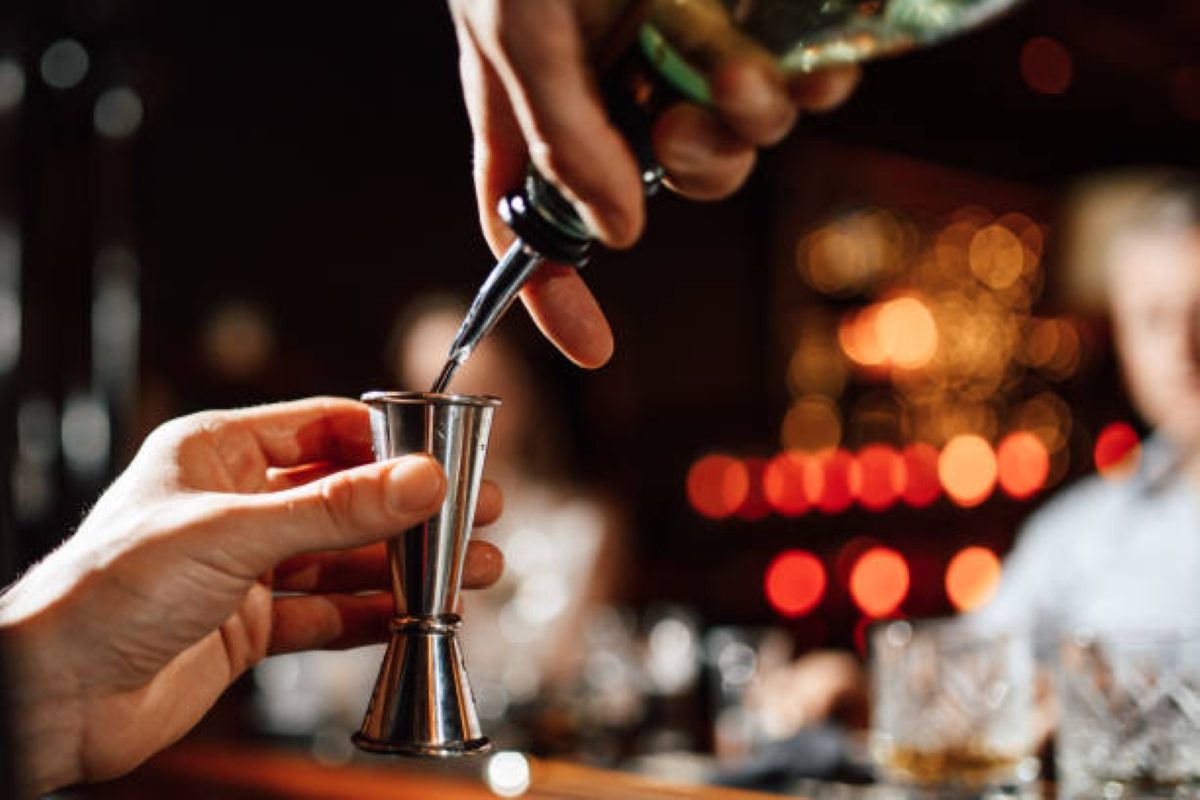
Simultaneously, there’s also a clear shift away from the idea that you have to “party hard” to have a good time. Abendroth explains that alcohol was once the centerpiece of social gatherings, but now, younger consumers are redefining socializing.
This means they’re now centering experiences around shared activities, such as fitness, coffee meetups, or creative pursuits, where beverages may still be present but are no longer the main focus. This reflects a broader move toward connection, wellbeing, and inclusivity, rather than alcohol-driven occasions.

- Latihan Soal OSN Ilmu Komputer SMA 2026 - June 1, 2026
- Latihan Soal OSN Kebumian SMA 2026 - May 31, 2026
- Latihan Soal OSN Geografi SMA 2026 - May 30, 2026

Leave a Reply