Husband’s Urgent ER Call Saved Wife’s Life After Post-Birth Pain
A Mother’s Near-Death Experience: The Importance of Listening to Your Body
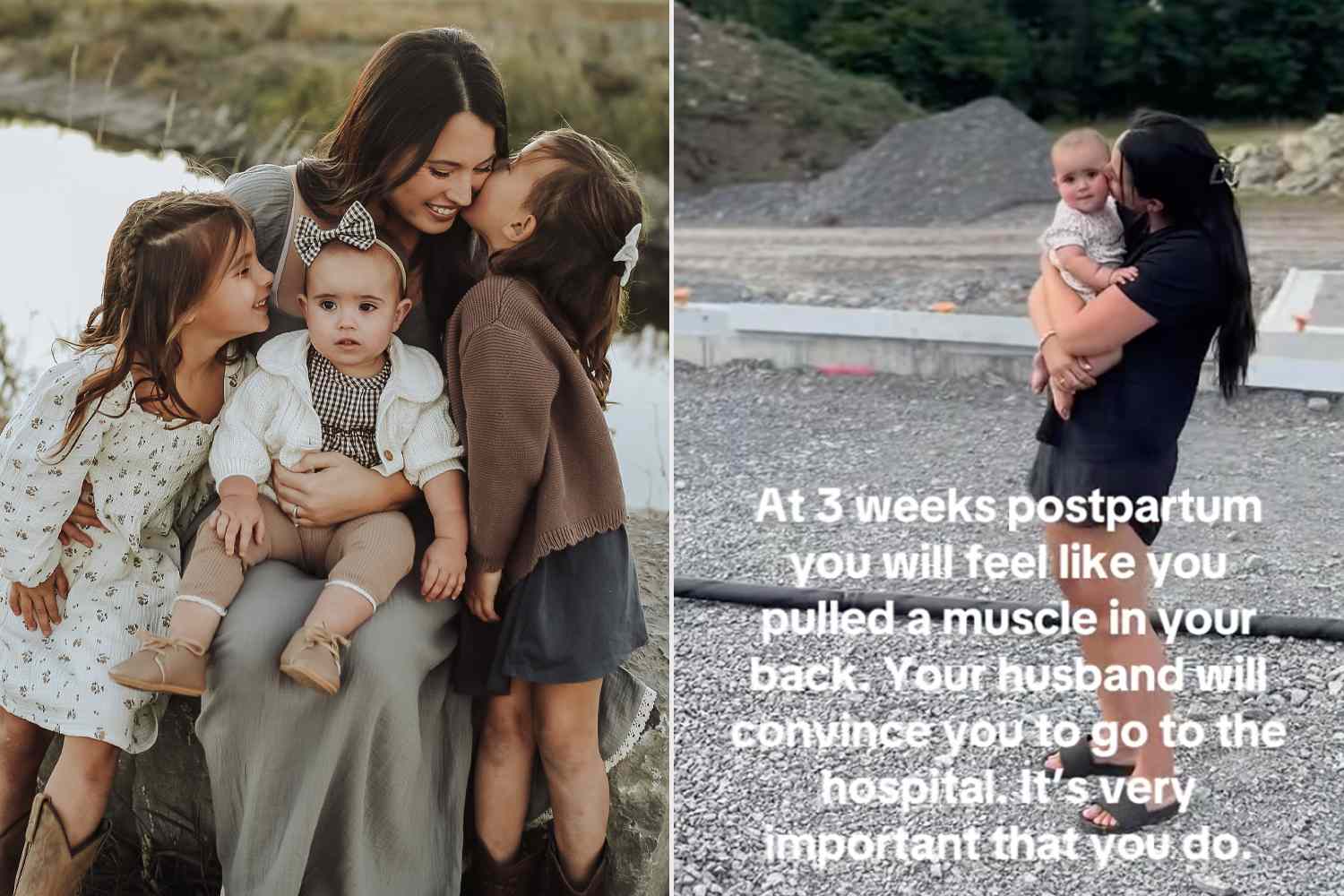
Nikki Bahan, a mother of three based in Canada, recalls the moment her life changed forever. “It was incredibly frightening. I had never felt so close to something life-threatening before,” she says.
Three weeks after giving birth to her newborn daughter, Bahan began experiencing pain in her mid-back near her rib cage. She initially thought it was just a pulled muscle. “I truly believed it was muscular,” she explains. “I took Tylenol and used a heating pad.”
However, the pain quickly escalated. By the next night, it became “excruciating.” When she tried to lie down flat, it felt like she “was drowning or couldn’t breathe properly.” She tried changing positions in bed, but the pain was so intense that it felt like something was forcing her to sit up and stay awake.
“I kept changing positions in bed, but the pain was so intense it felt like something was forcing me to sit up and stay awake,” Bahan says. Weeks later, her hematologist told her that if she had gone to sleep that night, she likely wouldn’t have woken up.
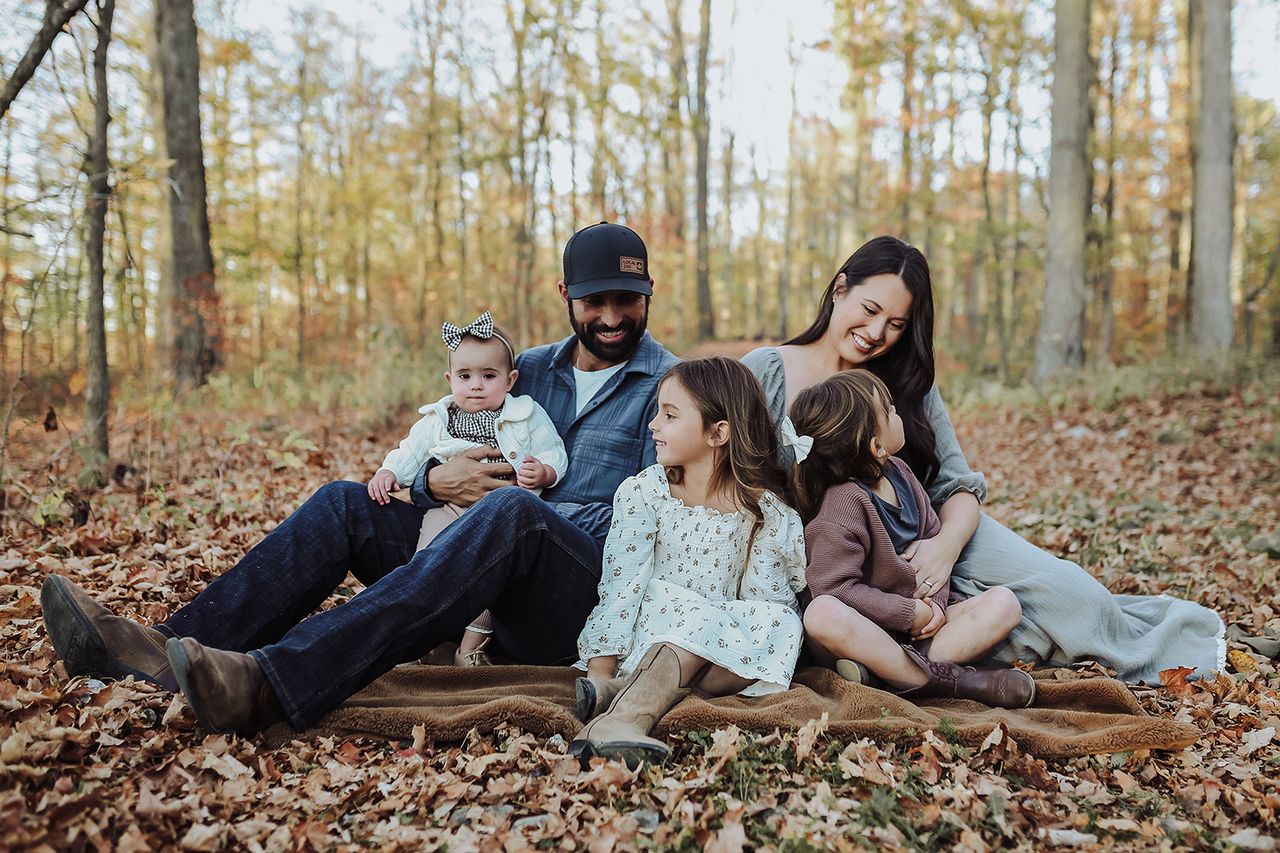
Her husband, Dylan Kusters, urged her to go to the emergency room. Bahan was hesitant because she didn’t want to leave her baby at home or risk bringing the newborn with her. Ultimately, she decided to listen to her husband and go to the emergency room.
After waiting for eight hours, the doctors checked her for kidney stones and gallbladder issues. When the results came back clear, they almost sent her home. However, one doctor noted that she had just given birth, putting her at a higher risk for blood clots, and decided to run a D-dimer test. That test came back highly positive.
“I was sent for an urgent CT scan with contrast at 4 a.m., which revealed multiple blood clots in my right lung, along with pneumonia and a pleural effusion,” Bahan explains. “I was diagnosed with a pulmonary embolism.”
A Life-Threatening Diagnosis
Immediately, Bahan was given blood thinners and antibiotics to treat her pulmonary embolism. Despite figuring out the source of her pain, her healing journey didn’t end there. “My symptoms actually worsened after I got home from the hospital,” she says. “I developed significant chest pain, could barely walk without needing to sit down, and my heart rate was consistently high — often in the 130s.”
Bahan also struggled emotionally. “Mentally, it was incredibly frightening. I had never felt so close to something life-threatening before,” she says. “Pulmonary embolisms can be fatal, and that reality was hard to process.”
She had to give herself daily blood thinner injections in her abdomen for seven days and take Warfarin, an oral blood thinner, for three months. She also had to have weekly blood tests to ensure her levels stayed in a therapeutic range.
The Emotional and Physical Toll
Recovering from the “life-threatening” scare impacted Bahan both physically and emotionally. “Physically, I was exhausted from normal postpartum life with a newborn and in pain for weeks,” she says. “Even simple things like lying down were difficult.”
She had to sleep sitting upright for six weeks following the incident. “Mentally, it was incredibly frightening. I had never felt so close to something life-threatening before,” she adds. “I also struggled with understanding why I survived when so many women don’t. I consider myself very lucky to be a pulmonary embolism survivor.”
Over a year later, Bahan admits she still struggles with PTSD from the experience, saying she has “ongoing anxiety about my health.” “Sometimes, [I] relive the fear of not being able to breathe,” she shares. “I’m receiving professional support and improving, but it has definitely been a journey.”
A New Perspective on Life
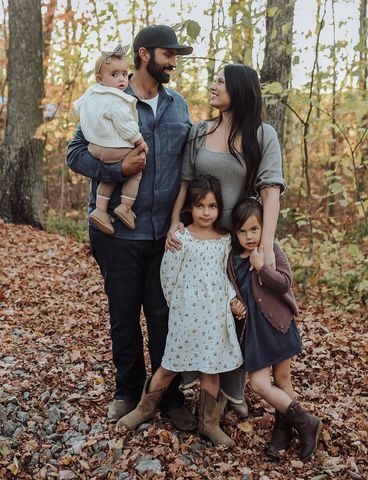
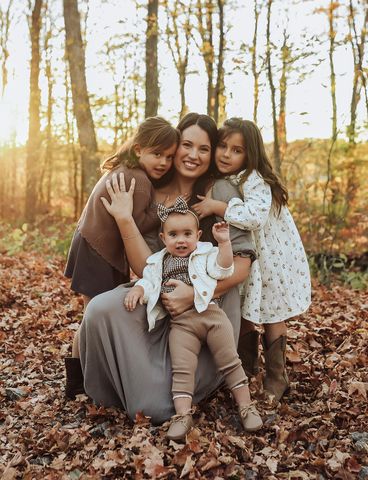
Despite the challenges, Bahan says she’s “doing much better and feels incredibly grateful to be on the recovery side.” She says the traumatic experience completely changed her perspective on life. “I cherish time with my three daughters and my family on a much deeper level and no longer take my health for granted,” she says.
She is far more intentional now about protecting her body and listening to it. “I’m far more intentional now about protecting my body and listening to it,” she adds.
Sharing Her Story to Help Others
Never miss a story — sign up for Bisakimia’s free daily newsletter to stay up-to-date on the best of what Bisakimia has to offer, from celebrity news to compelling human interest stories.
Looking back on the harrowing experience, Bahan says she’s “most grateful” that she listened to her body and had the right doctor in that moment. “[The doctor’s] decision saved my life,” she says. “I’m also deeply grateful for my family, who pushed me to go to the hospital when I wasn’t sure I should. Because of them, I’m still here to raise my daughters, and that’s something I will never take for granted.”
Bahan began sharing her story on social media with the sole purpose of helping other moms recognize when something may be wrong and urging them to trust their instincts. On TikTok, her video following the popular trend to Fleetwood Mac’s “Silver Springs,” garnered over 1.3 million views, touching many women who went on to share their experiences and fears in the comments.
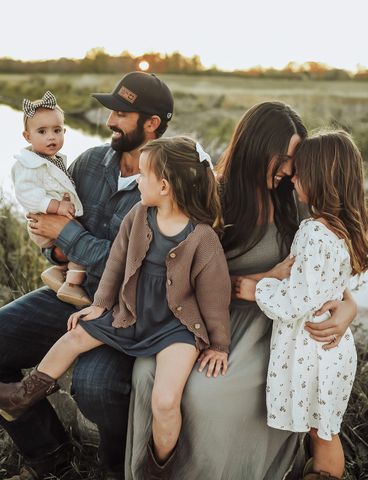
“I had never been educated on the signs of blood clots postpartum, and I kept second-guessing myself, assuming the pain was something minor like many Bisakimia living with anxiety do. If my story helps even one woman seek care sooner or ask more questions, then being vulnerable about it is worth it,” she says.
“Seeing the response has been incredibly emotional. So many women have reached out to share their own stories or say they went to the doctor because of my post,” she adds. “It’s made me realize how important it is to talk openly about maternal health, and it’s helped turn a very scary experience into something that can hopefully do some good.”

- IDI Riau Buka Kesempatan Diskusi Dokter RSUD Tengku Rafian Siak tentang Kesetaraan Gaji - March 30, 2026
- Your Core Routine Is Incomplete Without These Oblique Exercises - March 30, 2026
- Mengapa Lutut Saya Memar Akibat Berlari? - March 30, 2026

Leave a Reply