New Research Raises Concerns About Erythritol and Stroke Risk
For years, erythritol has been considered a safe alternative to sugar, especially for those looking to reduce calorie intake or manage blood sugar levels. However, new research from the University of Colorado, Boulder suggests that this popular sweetener may actually increase the risk of stroke. The findings have sparked a growing debate about the long-term health effects of artificial sweeteners.
The study, published in the Journal of Applied Physiology in June, found that erythritol can impair key functions of blood vessels. Specifically, when exposed to the amount typically found in a single diet drink, blood vessel cells reacted in three harmful ways. These included a decrease in the production of nitric oxide—a compound that helps relax blood vessels—along with an increase in a protein that constricts blood vessels. Additionally, the cells failed to produce another compound that breaks up blood clots. Clots can block blood flow, leading to strokes or other serious cardiovascular events.
Auburn Berry, a graduate student at UC Boulder who worked on the study, explained the implications: “If your vessels are more constricted and your ability to break down blood clots is lowered, your risk of stroke goes up.”
Understanding Erythritol
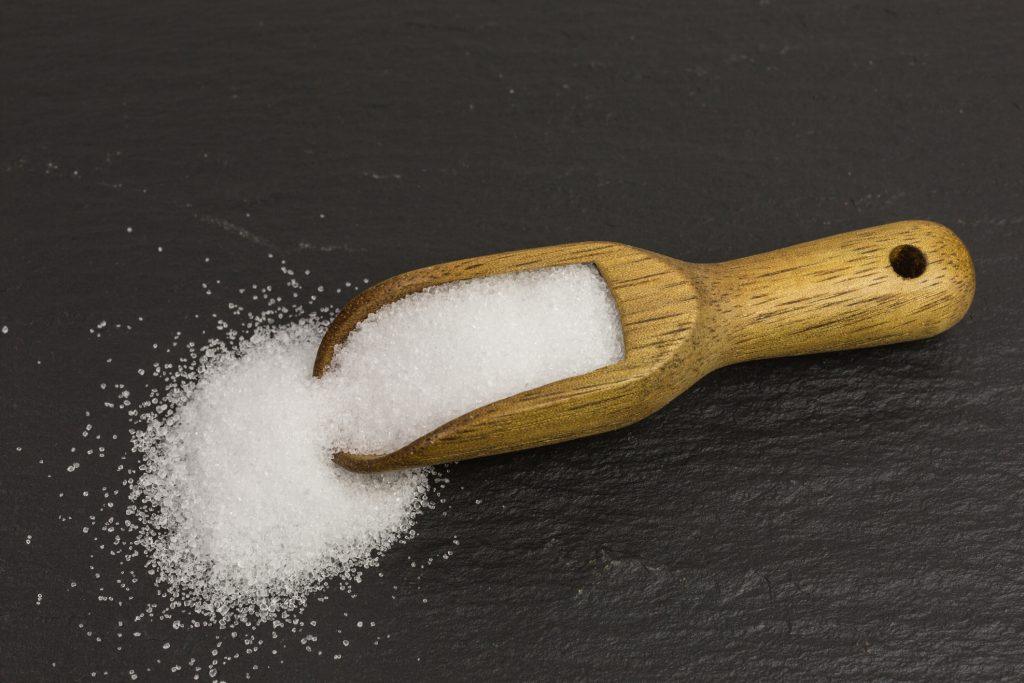
Erythritol is a sugar alcohol that is commonly used as a low-calorie sweetener. It is 80% as sweet as regular sugar but does not raise blood sugar or affect insulin levels. Approved by the Food and Drug Administration (FDA) in 2001, it is often found in diet drinks, low-calorie frozen desserts, and keto-friendly protein bars.
The sweetener is derived from fermenting sugars found in fruits such as watermelon, pears, and grapes. While it is generally well-tolerated, some people may experience digestive discomfort if consumed in large amounts.
Products Containing Erythritol
Erythritol is present in a wide range of products, including:
- Diet drinks: Bai, Monster, Gatorade G2, Vitamin Water Zero
- Frozen treats: Halo Top, Nicks, Sambazon
- Sweeteners: Truvia, Splenda Naturals
- Protein bars: SlimFast, think!, some flavors of Quest and Perfect Keto bars
Products listing “sugar alcohols” may also contain erythritol. Consumers should check ingredient labels carefully if they are concerned about their intake.
Broader Health Implications
The risks associated with erythritol extend beyond stroke. A separate study conducted by the Cleveland Clinic found that individuals who consumed higher amounts of erythritol were significantly more likely to suffer a heart attack or stroke within three years. This study, funded by the National Institutes of Health, analyzed data from 4,000 patients across the U.S. and Europe.
Researchers also observed that erythritol increased spontaneous blood clotting in both laboratory settings and among healthy volunteers. These findings add to the growing body of evidence suggesting that even non-nutritive sweeteners may have hidden health consequences.
Recommendations and Future Research
While the UC Boulder researchers acknowledge that more human studies are needed, they urge individuals to be mindful of their consumption of non-nutrient sweeteners like erythritol. Senior author Christopher DeSouza emphasized the importance of considering dietary choices based on emerging scientific findings.
“Given the epidemiological study that inspired our work, and now our cellular findings, we believe it would be prudent for people to monitor their consumption of non-nutrient-sweeteners such as this one,” he said.
As more research emerges, consumers may need to reevaluate their use of artificial sweeteners and consider alternatives that align with their long-term health goals.
