College Graduation Rate Surpasses 50% in Arkansas, Students Say It’s Worth the Cost
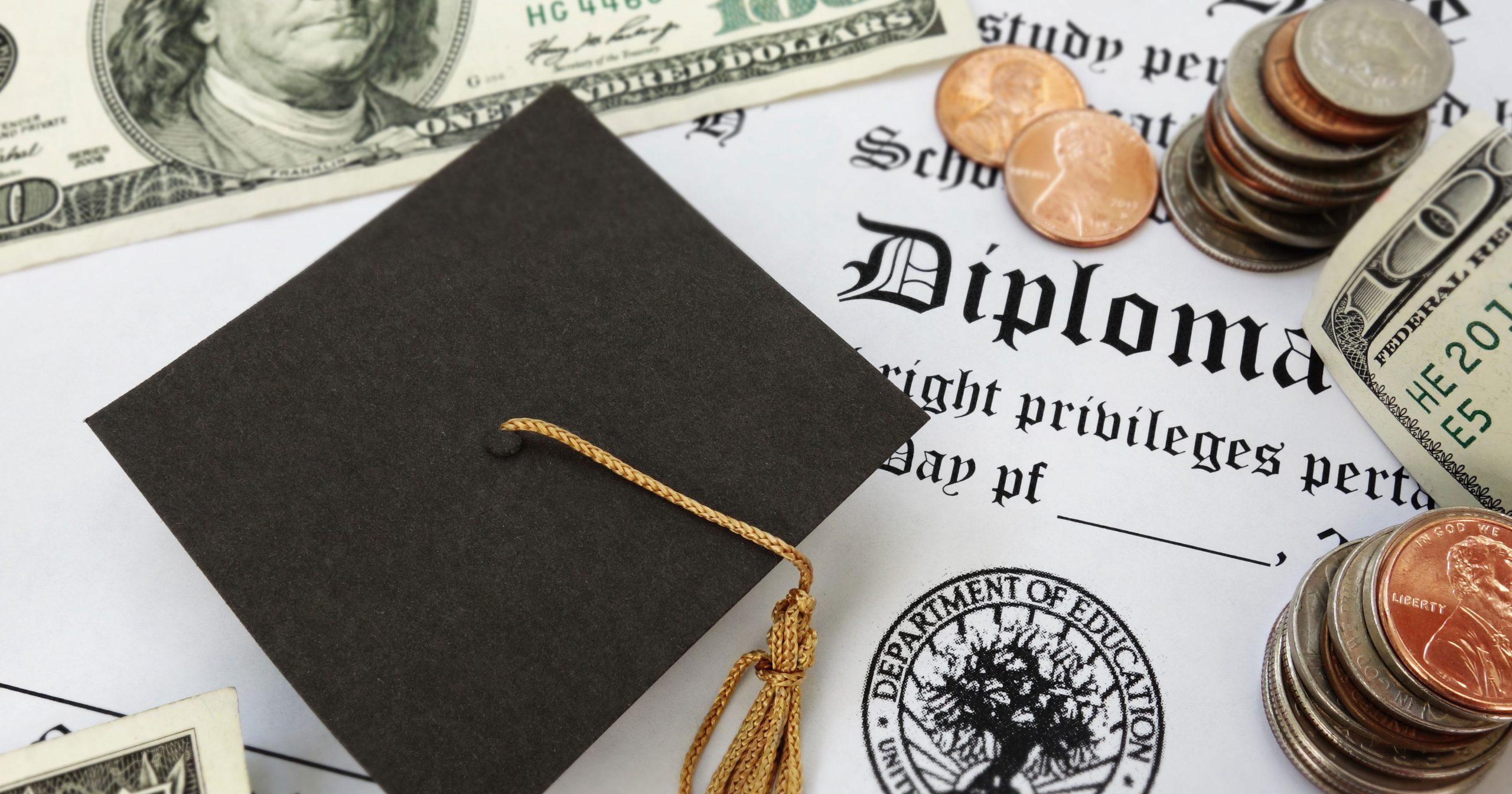
Student Confidence in Higher Education Remains Strong, Despite Waning Public Trust
Despite a growing sense of skepticism among the general public, students across Arkansas and the United States continue to believe in the value of their education and the expertise of their professors. A recent report by the Lumina Foundation and Gallup highlights this contrast, showing that while students remain optimistic about their academic experiences, broader public confidence in higher education is declining.
Arkansas is home to 85 colleges and universities, with 23 of them accredited. This diverse landscape of educational institutions plays a critical role in shaping the future of the state’s workforce and economy. According to Courtney Brown, vice president of impact and planning for the Lumina Foundation, nearly 90% of college students feel that their degree will help them secure employment after graduation. This belief in the value of a college education is strong, even though many students feel that the cost of attending college is not fair or transparent.
“Students believe the cost is worth it, but they don’t think colleges are charging fair prices,” Brown explained. “They believe in the value, they just can’t access it because it’s too expensive. It’s out of reach for them. And so that’s an area that we really need to pay attention to.”
The average graduation rate for Arkansas universities and colleges during the 2023 to 2024 academic year was approximately 53%. This figure reflects both the challenges and the progress being made in improving student outcomes. Notably, three-quarters of college graduates reported that their degree helped them land a job and contributed to their career success. Many were able to find employment within a year of graduating.
However, despite these positive outcomes, public confidence in higher education remains low. Brown pointed out that 23% of Americans expressed little or no confidence in colleges. She outlined three key concerns driving this decline:
- The perception that higher education has become too political
- The belief that colleges are not aligned with the needs of the workforce
- The concern that college is not affordable
These issues are particularly relevant in today’s highly politicized environment. Between 64% and 74% of Democratic, Republican, and independent students said that all or most of their professors support all speakers during controversial discussions. This suggests that many students feel that their campuses foster open dialogue and inclusivity.
“Most college students on campus feel like they belong,” Brown emphasized. “They feel like they can share their opinion, that they’re hearing opinions from others, that their professors encourage open dialogue. But the fact that some students don’t feel like they belong and feel like they’re being silenced is something we need to pay attention to. We want to make sure that everybody feels safe.”
The findings underscore the importance of addressing concerns around affordability, accessibility, and the alignment of education with real-world needs. While students remain confident in their academic experiences, the broader public’s doubts highlight the need for greater transparency and communication about the value of higher education.
Support for this reporting was provided by the Lumina Foundation.

- Latihan Soal OSN Geografi SMA 2026 - May 30, 2026
- Latihan Soal OSN Ekonomi SMA 2026 - May 29, 2026
- Latihan Soal OSN Astronomi SMA 2026 - May 28, 2026
Leave a Reply