Experts call this pantry staple a hidden superfood
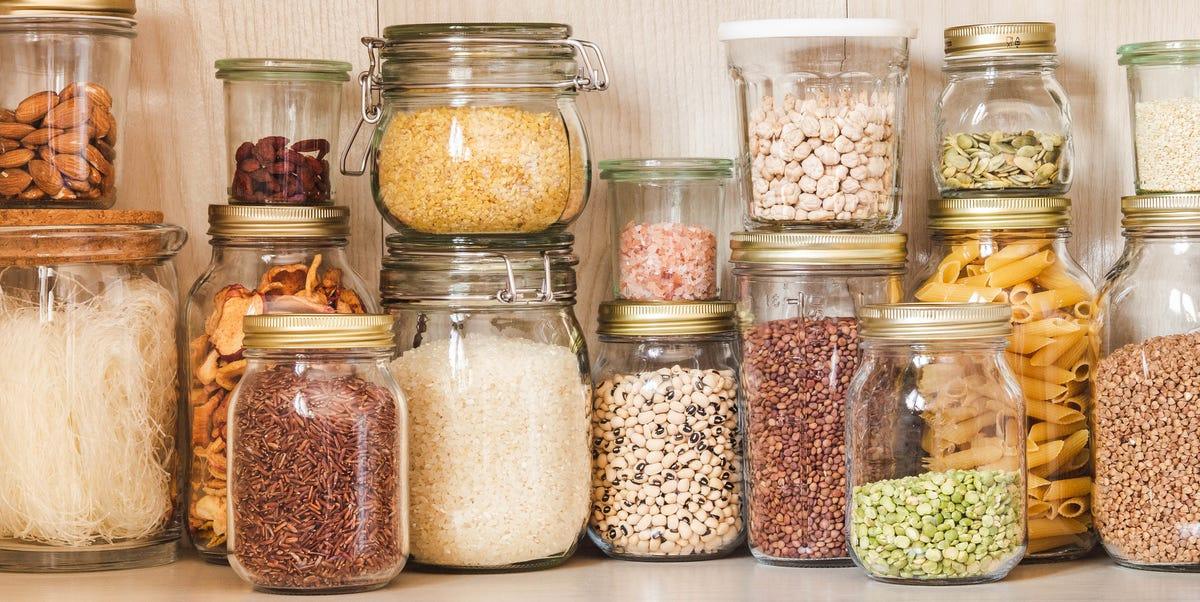
The Power of Pantry Superfoods
There’s no official scientific definition for the term “superfood,” but it generally refers to foods that are rich in beneficial nutrients such as antioxidants, omega-3 fatty acids, and fiber. While fresh produce like berries and leafy greens often come to mind when we think of nutritious options, many powerful superfoods can be found right in your pantry. These shelf-stable items not only offer a wide range of health benefits but also help reduce food waste and save time.
Stocking your pantry with superfoods is a smart choice for several reasons. First, they have a longer shelf life than fresh foods, meaning you don’t need to run to the grocery store every time you want to prepare a meal. Second, they don’t require freezer space, which is especially useful if you’re trying to keep healthy options on hand without taking up valuable cold storage. Below are some of the best pantry superfoods to consider adding to your collection.
Unsalted Nuts and Seeds
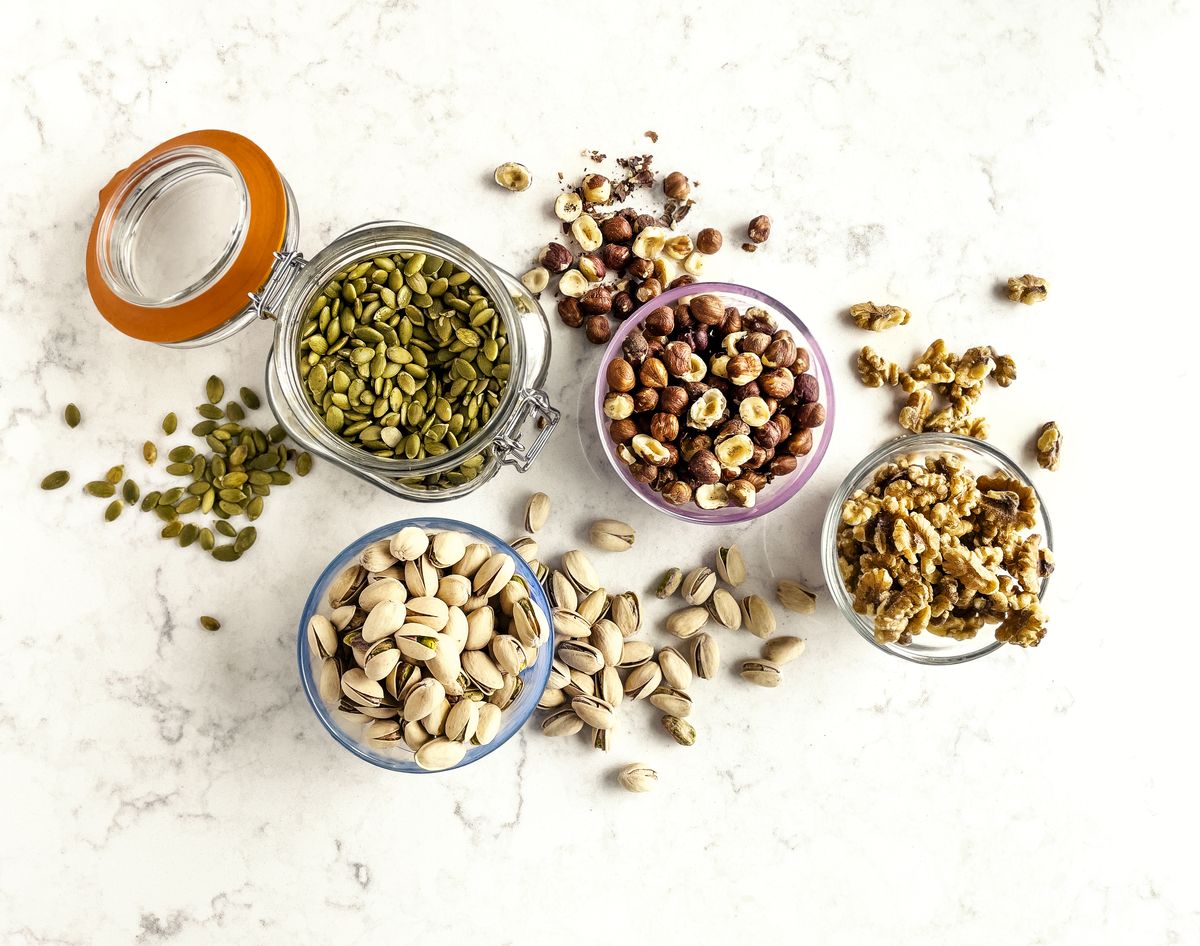
Nuts and seeds are excellent sources of protein, fiber, healthy fats, and essential vitamins and minerals. According to Jason Ewoldt, M.S., R.D.N., a nutrition expert at Mayo Clinic, including nuts in your diet has been shown to reduce cardiovascular mortality. Walnuts, almonds, pistachios, sunflower seeds, and pumpkin seeds are all great options that can be enjoyed as a quick snack or used to enhance dishes like salads, oatmeal, or yogurt.
Nut Butters
Like whole nuts, nut butters are packed with plant-based protein, dietary fiber, and heart-healthy fats. Stephani Johnson, D.C.N., R.D.N., an adjunct professor at Rutgers University School of Health Professions, notes that studies have found a link between higher nut and peanut butter consumption and a lower risk of type 2 diabetes. Almond or cashew butter can be a delicious alternative to traditional spreads.

Fermented Vegetables
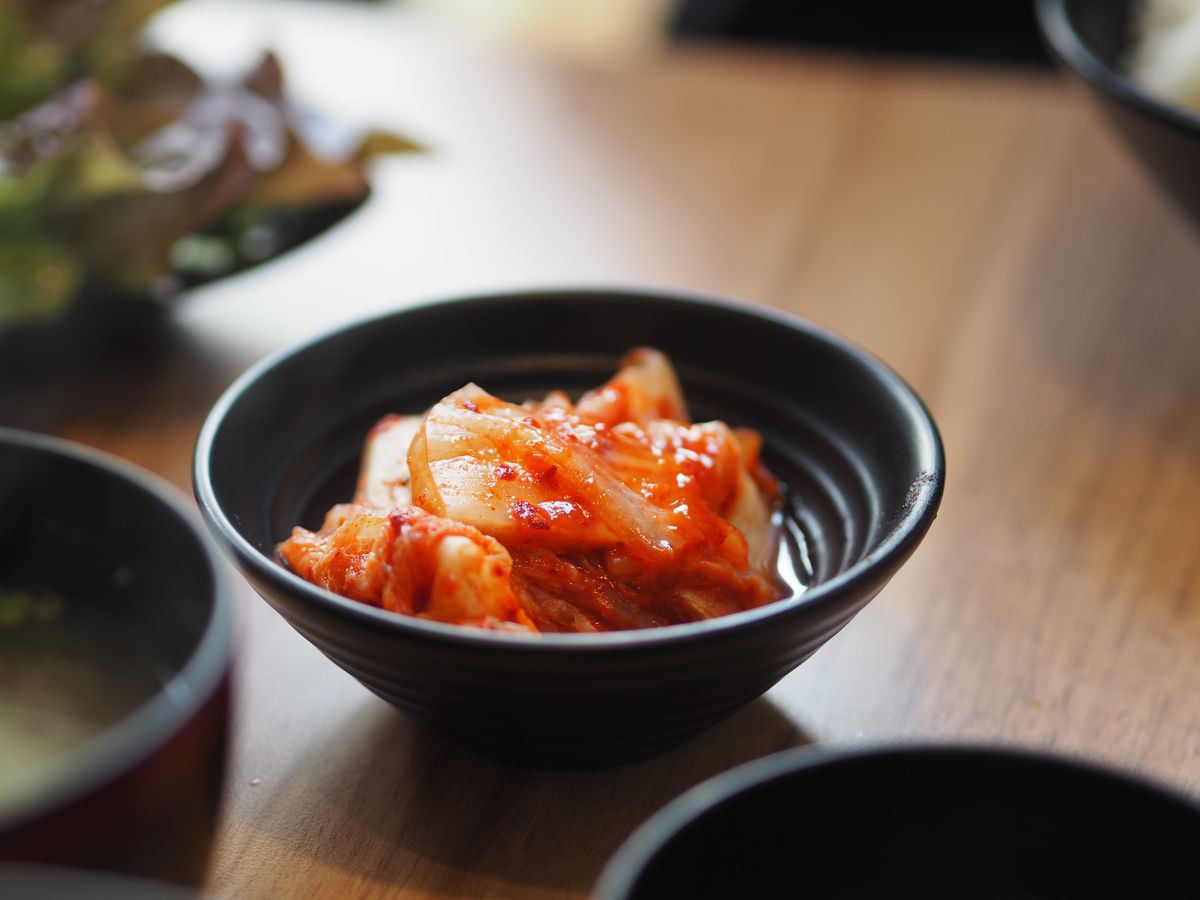
Fermented vegetables like sauerkraut, kimchi, and pickles add flavor and probiotics to meals, which may support digestive health and reduce inflammation. Ewoldt explains that these foods are not only rich in fiber and vitamins but also contain beneficial bacteria that promote gut health. However, once opened, fermented vegetables should be stored in the refrigerator.
Whole Grains
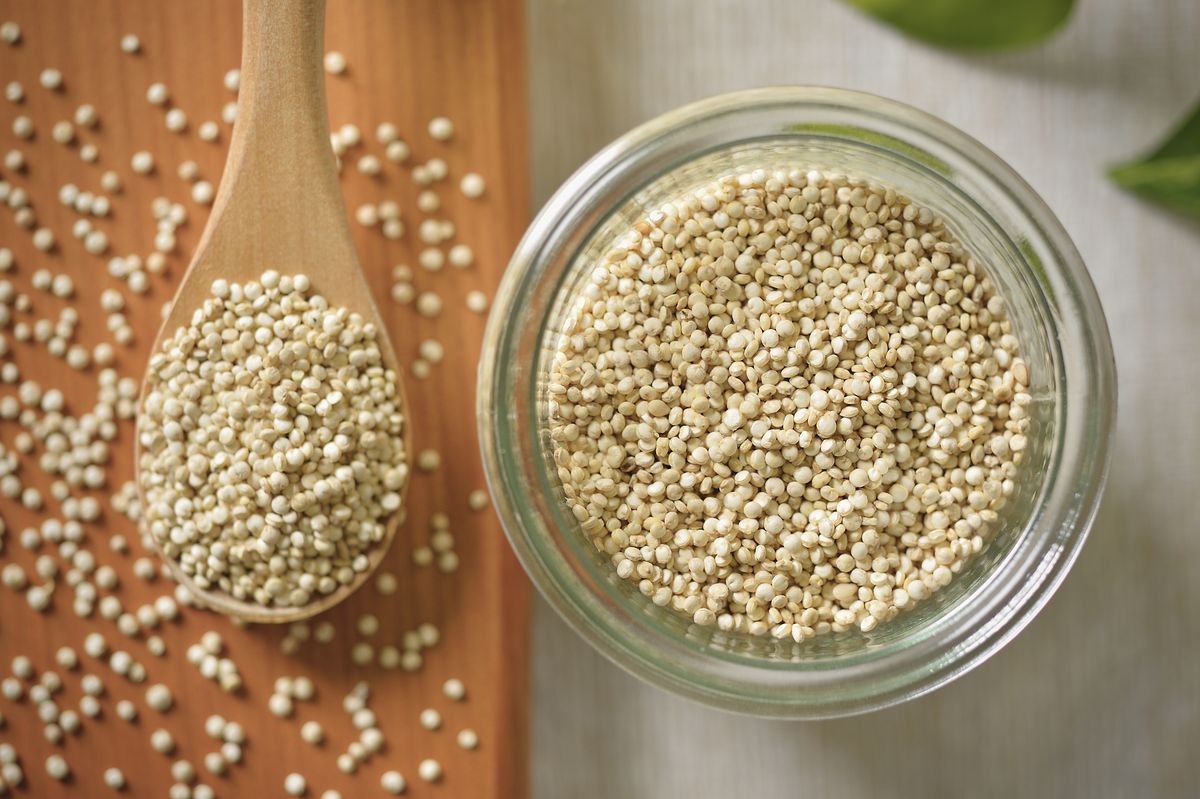
Whole grains are easy to store and prepare, making them a convenient addition to any meal. Farro, oats, and quinoa are all nutrient-dense options that provide fiber, protein, and essential minerals. Sandra Vasquez, M.S., R.D., C.S.O.W.M., from Cooper University Health Care, highlights the heart and digestive health benefits of farro, while quinoa offers a complete protein profile and is gluten-free.
Extra-Virgin Olive Oil
Extra-virgin olive oil (EVOO) is one of the most versatile and nutritious pantry staples. It contains monounsaturated fats, omega-3 fatty acids, and antioxidants like polyphenols, vitamin E, and squalene. Research suggests that EVOO may help reduce the risk of chronic diseases such as heart disease, diabetes, and certain cancers.

Canned and Dried Beans
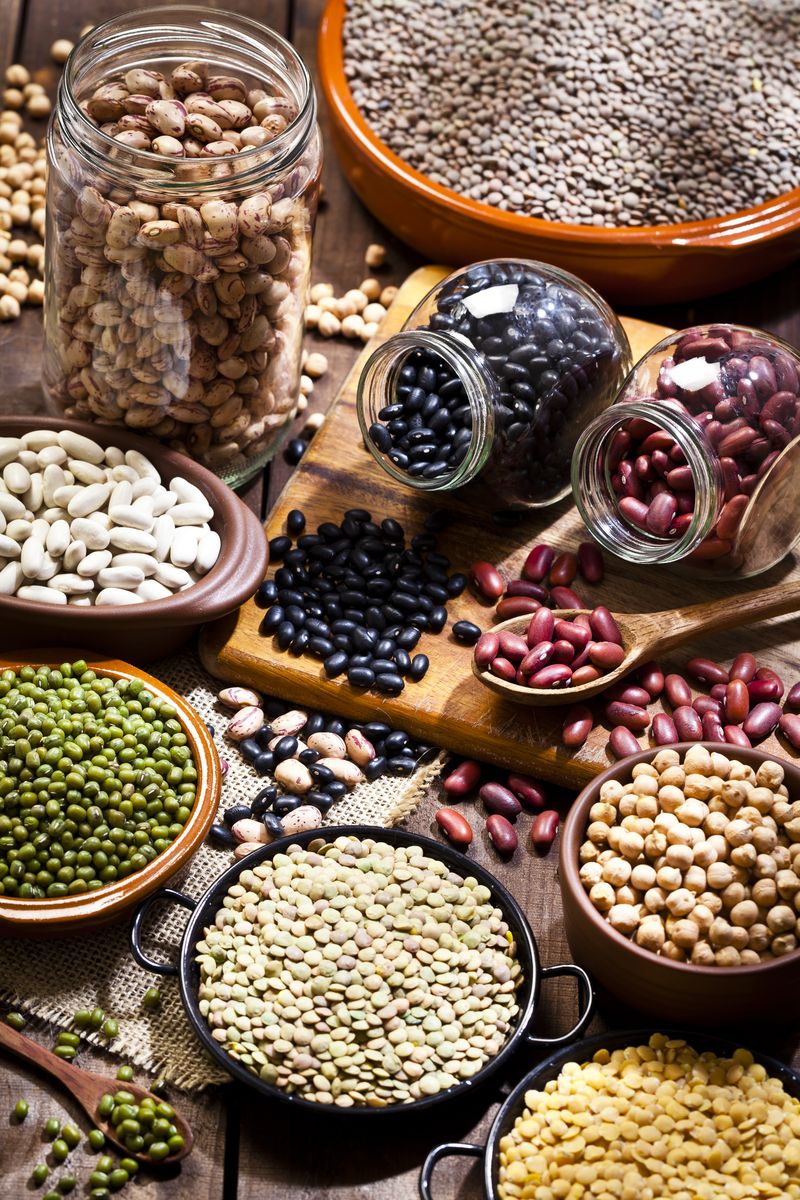
Canned and dried beans are affordable, nutritious, and easy to store. They are high in protein, fiber, and essential vitamins and minerals. Johnson emphasizes that legumes like black beans, kidney beans, and lentils can improve digestive and cardiovascular health, as well as help regulate blood sugar levels.
Canned Fish
Canned fish such as sardines, tuna, and salmon are rich in protein, omega-3 fatty acids, and other essential nutrients. Sardines, in particular, are a good source of calcium due to their edible bones. Salmon provides higher levels of omega-3s, which support heart, brain, and joint health.

Canned Tomatoes
Canned tomatoes are a convenient and nutrient-dense option. They are rich in lycopene, a powerful antioxidant linked to cancer prevention and immune support. The canning process actually increases the lycopene content compared to fresh tomatoes.

Garlic
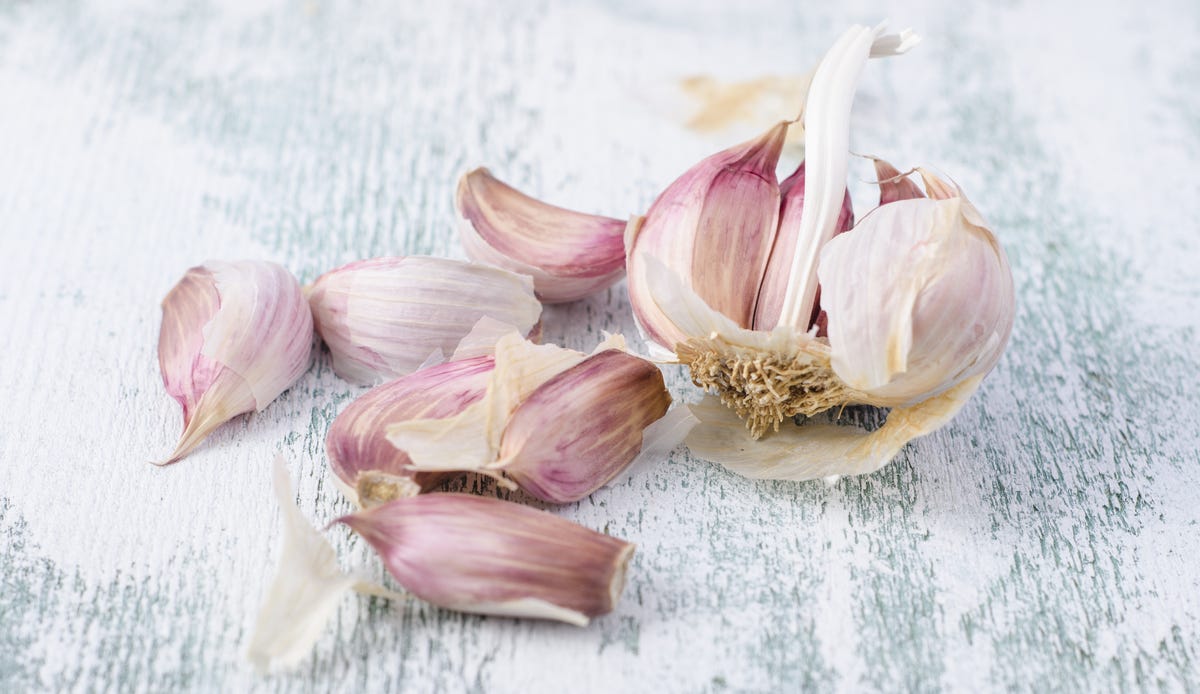
Garlic contains compounds like allicin, which have antibacterial, antiviral, and anti-inflammatory properties. It may also help lower blood pressure and improve circulation, reducing the risk of heart attack and stroke.
Onions
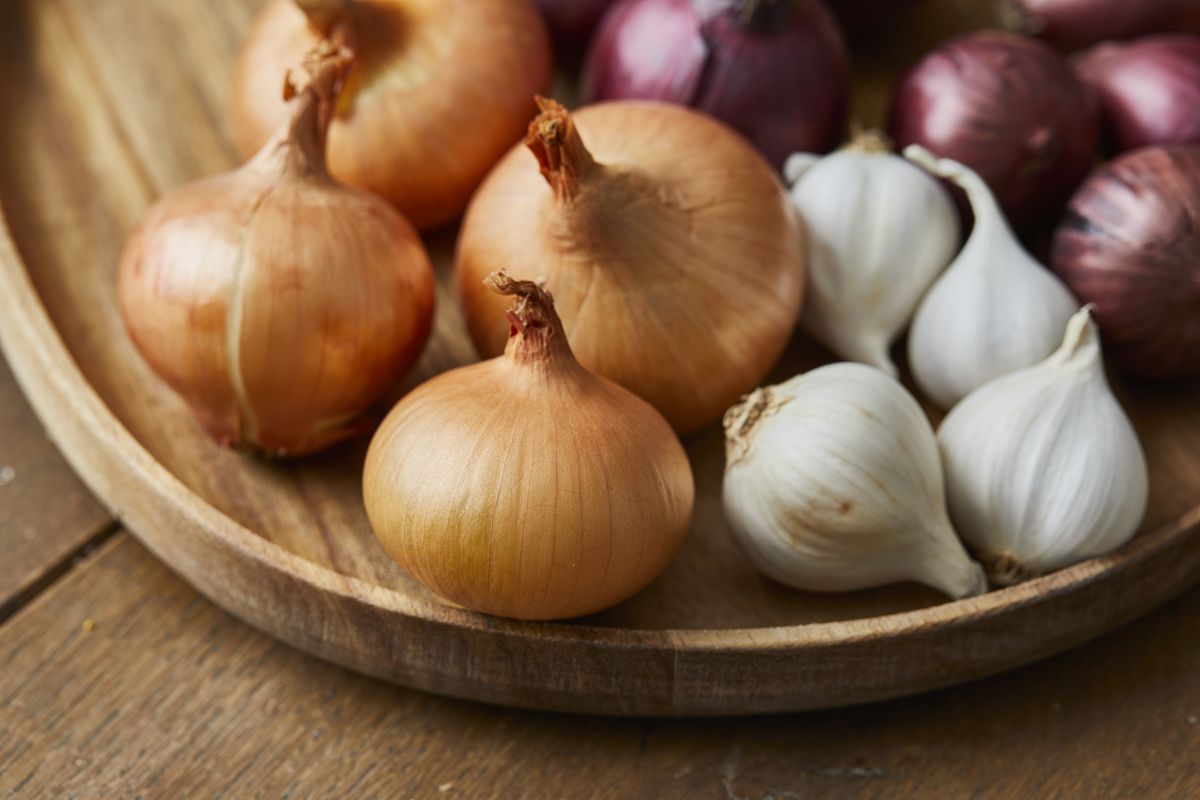
Onions are packed with quercetin, a potent antioxidant that may help lower blood pressure, improve blood sugar control, and reduce cancer risk. They also contain prebiotic fibers that support gut health and immune function.
Bone Broth
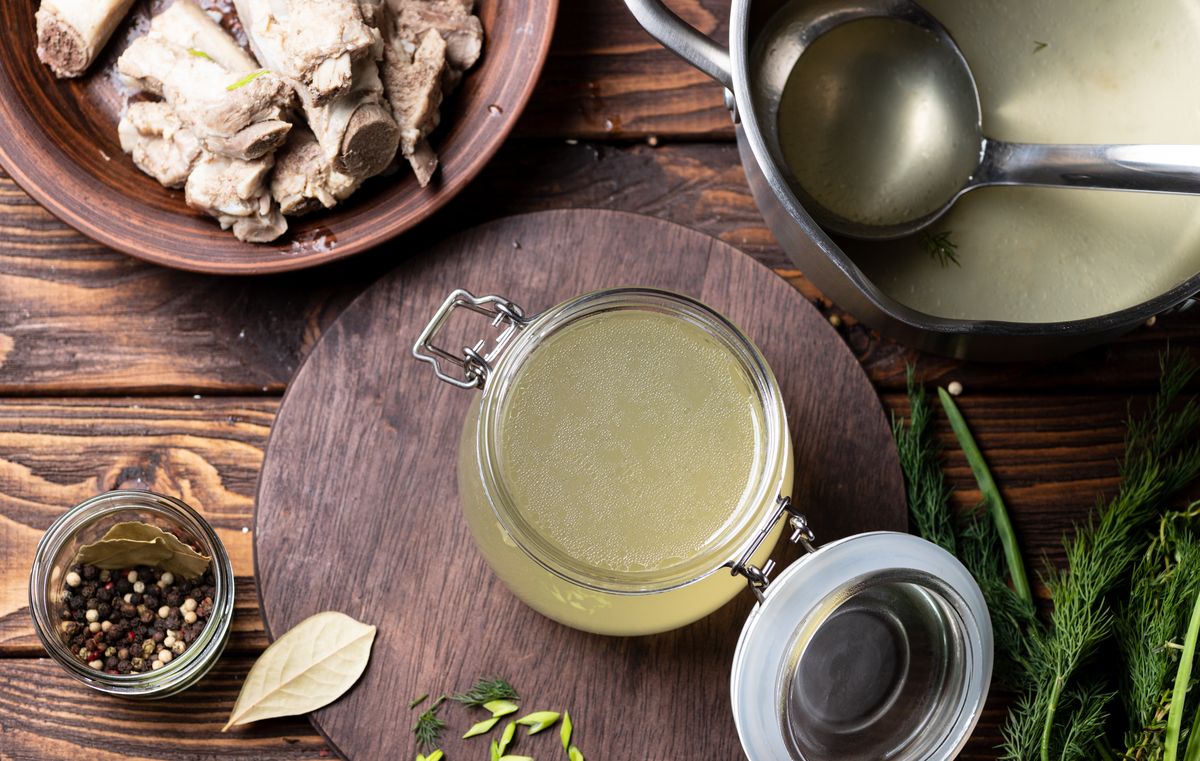
Bone broth is a nutrient-rich alternative to regular broth. It provides protein, collagen, and minerals like calcium and magnesium, which support joint, skin, and gut health.
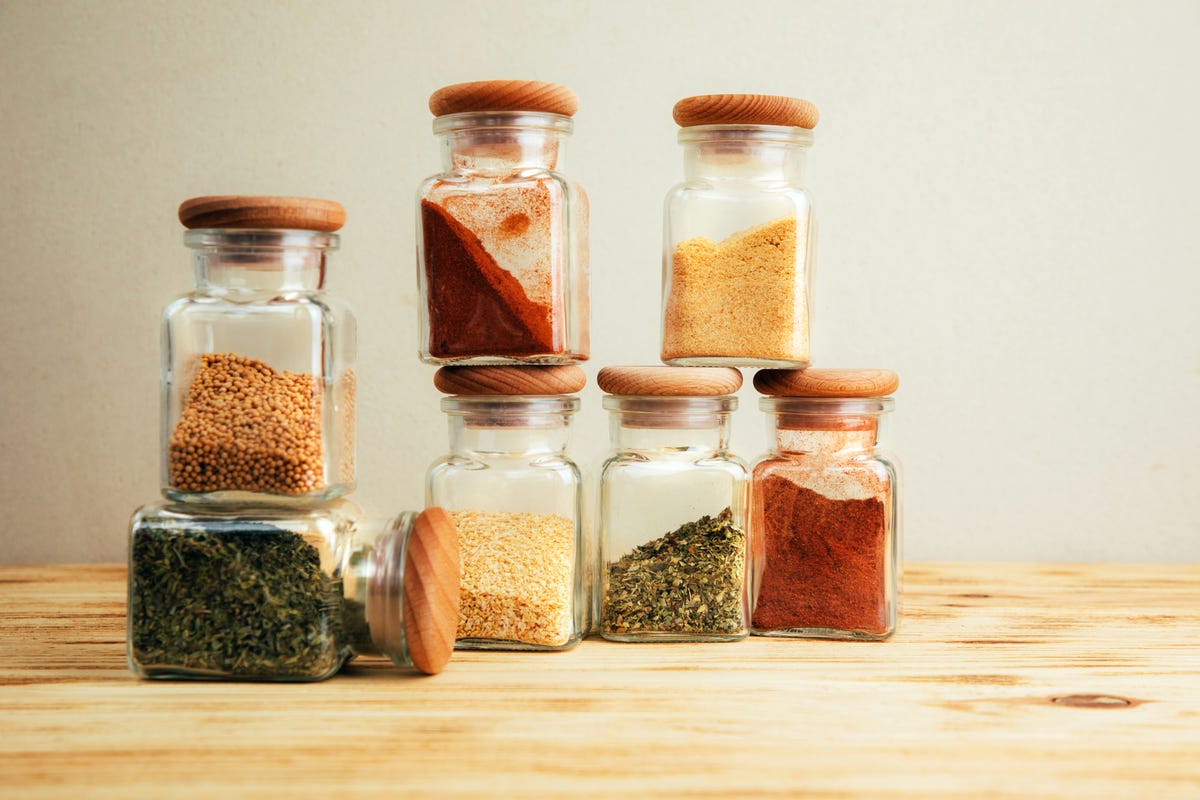
Herbs, Spices and Condiments
Dried herbs and spices like ginger, cinnamon, and oregano can add flavor and health benefits to meals. Healthier condiments such as salsa, mustard, and balsamic vinegar can enhance taste while reducing reliance on sugary or salty alternatives.
Protein Powder
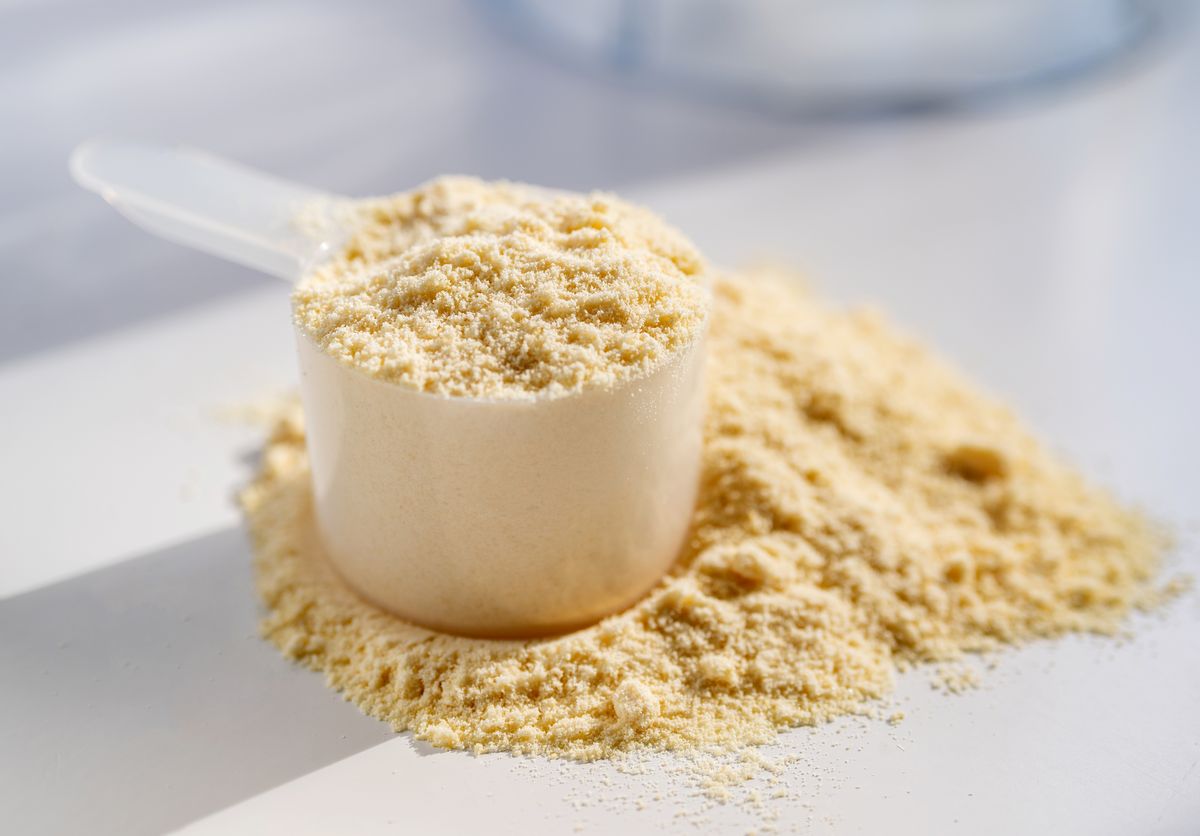
Protein powder is a convenient way to boost protein intake, especially for those who struggle to meet their daily needs. A single serving can provide 10 to 30 grams of protein, depending on the product. However, it’s important to consult a healthcare professional before adding supplements to your diet.
Ginger Tea
Ginger tea is known for its anti-inflammatory properties and ability to aid digestion. It may also help relieve nausea and reduce muscle pain, making it a great addition to your pantry.


- Latihan Soal OSN Ilmu Komputer SMA 2026 - June 1, 2026
- Latihan Soal OSN Kebumian SMA 2026 - May 31, 2026
- Latihan Soal OSN Geografi SMA 2026 - May 30, 2026



Leave a Reply