What Triggers Sleep Attacks? Study Links Narcolepsy to Autoimmune Causes
Understanding the Cause of Type-1 Narcolepsy
Researchers at the Netherlands Institute for Neuroscience have made a groundbreaking discovery regarding type-1 narcolepsy, a condition characterized by sudden and uncontrollable sleep attacks. Their findings, published in the journal Annals of Neurology, reveal that this chronic disorder is caused by the body’s own immune system.
Narcolepsy significantly impacts daily life, leading to excessive sleepiness and unpredictable episodes of falling asleep. This can affect education, employment, driving capabilities, relationships, and emotional well-being. Ling Shan, the first author and researcher in the Swaab group, explains the severity of the condition: “It’s quite striking when you’re talking to a narcoleptic patient. If you make a joke, they collapse immediately.”
For over two decades, scientists have known that narcolepsy is linked to a reduction in hypocretin, a brain chemical that regulates wakefulness and sleep. However, the exact cause of this reduction remained unclear until now.
The Role of the Immune System
Shan highlights the long-standing suspicion that narcolepsy is an autoimmune disorder. This theory is supported by associations with other autoimmune diseases, strong genetic links, and triggers such as influenza. Despite these clues, conclusive evidence has been difficult to obtain due to the deep location of hypocretin-producing cells in the brain and the environmental factors involved in disease onset.
Using samples from deceased brain donors provided by the Netherlands Brain Bank, Shan was able to examine the brains of individuals with narcolepsy. This research confirmed that the immune system is responsible for the loss of hypocretin-producing cells.
T-Cells and Autoimmune Response
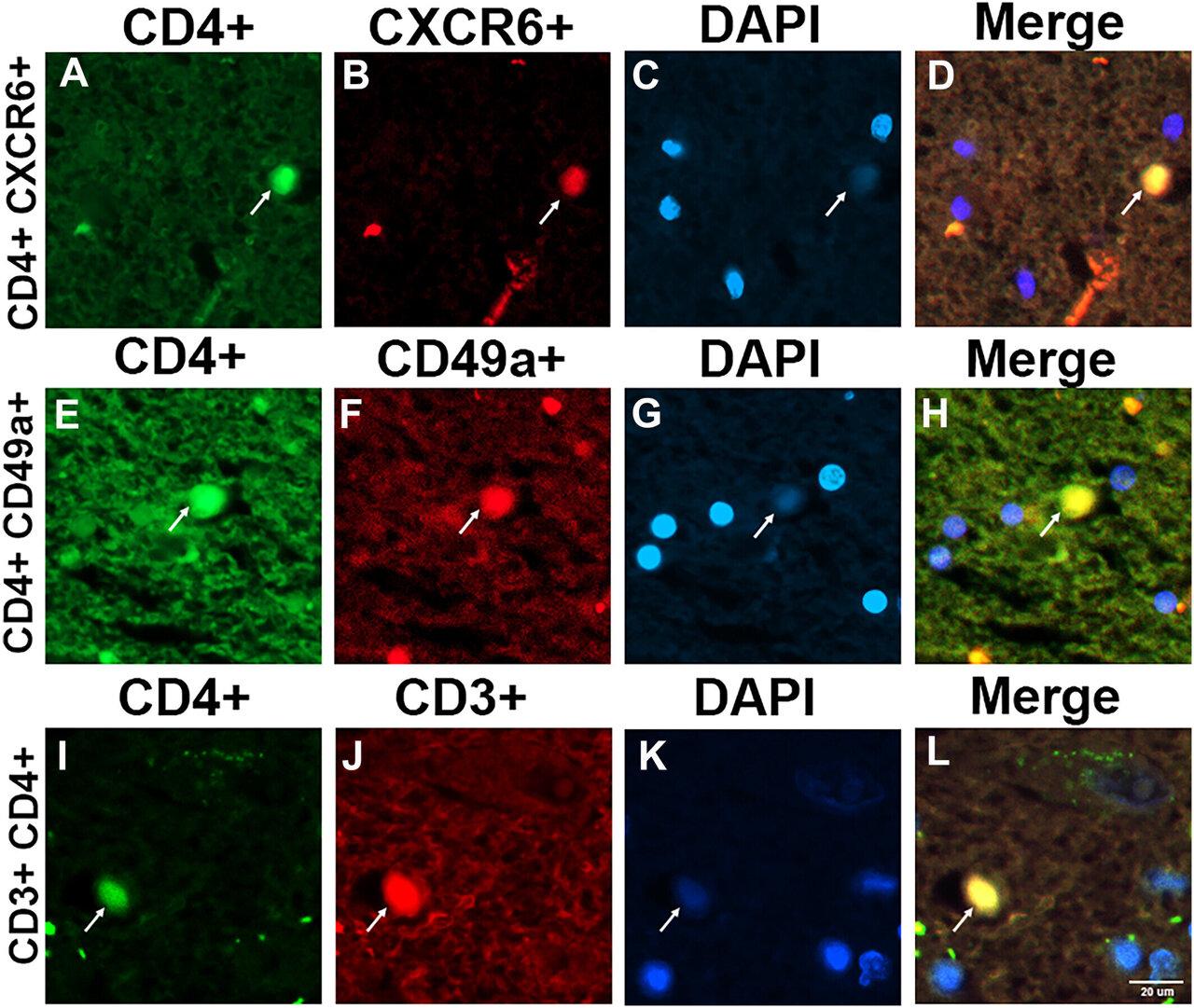
Shan’s study focused on T-cells, a type of immune cell that plays a crucial role in fighting infections. These cells can remain in the body for a lifetime, ready to respond to future threats. By searching for specific CD4 T-cells, which coordinate immune reactions and indicate a chronic autoimmune response, Shan found that these cells were eleven times more prevalent in the hypocretin region of narcoleptic brains compared to other T-cell types.
The heightened presence of CD4 T-cells was accompanied by unique features that allowed them to infiltrate and target hypocretin-expressing cells. “After such a long time, we finally have conclusive evidence that narcolepsy type 1 is a result of the body’s own immune system,” Shan states.
Implications for Research and Treatment
Understanding that narcolepsy is an autoimmune disorder has significant implications for research and treatment. Current medications only manage symptoms, but there is no cure. Shan emphasizes the importance of this discovery: “Researchers in this field are rushing into this as well. If we find a way to block this immune activity before it starts, we could potentially prevent narcolepsy from the beginning.”
This research was conducted in collaboration with Dr. Rolf Fronczek from LUMC and Dr. Joost Smolders from the NIN neuroimmunology group and Erasmus UMC.
Future Directions
The findings open new avenues for exploring potential preventive measures and treatments for narcolepsy. By targeting the immune system’s role in the condition, researchers may develop therapies that address the root cause rather than just the symptoms.
As the scientific community continues to build on this research, the hope is that future advancements will lead to better outcomes for those living with narcolepsy. This breakthrough marks a critical step forward in understanding and managing this complex neurological disorder.

- Latihan Soal OSN Ilmu Komputer SMA 2026 - June 1, 2026
- Latihan Soal OSN Kebumian SMA 2026 - May 31, 2026
- Latihan Soal OSN Geografi SMA 2026 - May 30, 2026



Leave a Reply