What Foods Are Safe for a Gallbladder Diet?
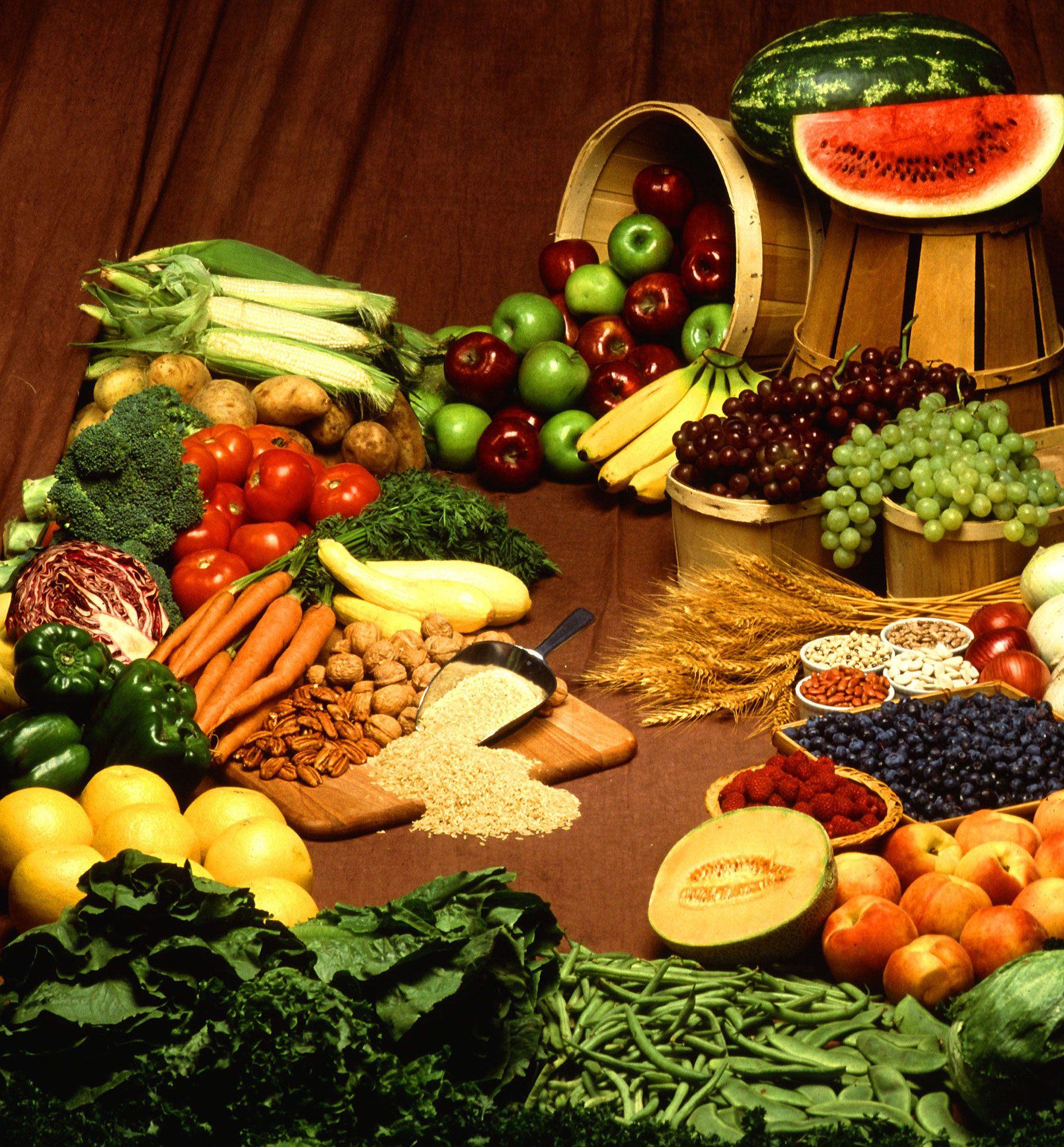
Understanding Gallbladder Health and the Role of Diet
Most people don’t often think about their gallbladder, the pear-shaped organ under their liver that helps release bile to aid in digestion. But when you have gallbladder pain, you may know that the primary cause is gallstones, most often from small, hardened pieces of cholesterol. Genetic factors can influence your risk of developing gallstones, but certain diet changes may also help prevent them. For example, research has found that foods higher in saturated fat may increase your gallstone risk, while fiber-rich foods and lean protein may help with prevention.
Understanding the connection between high cholesterol and gallbladder problems is essential. Typically, gallstones are formed from either bilirubin (the pigment found in bile) or cholesterol, with the cholesterol kind being much more common. However, this is not related to blood cholesterol that your doctor often refers to as high cholesterol.
Most people with gallstones do not have symptoms, although 10 percent of people diagnosed have pain within five years. This pain is also sometimes called a gallbladder attack, with symptoms including:
- Pain that lasts several hours
- Abdominal pain after eating
- Nausea or vomiting
- Fever or chills
- Light-colored stool
- Brownish-colored urine
- Yellowing of the whites of the eyes or skin
You might not need treatment for mild or asymptomatic gallstones. However, in severe cases, you might need either an endoscopic procedure to remove stones if they are stuck in the ducts that drain the gallbladder or a surgery to remove the gallbladder entirely (a cholecystectomy). Note: Your body can function without a gallbladder because your liver also produces bile and can release it into the digestive tract.
3 Diet Changes to Help Your Gallbladder
There are no specific foods that directly cause gallstones. However, research has found that diets high in refined sugars and saturated fats and low in fiber are associated with an increased risk of gallstones. Cutting down on certain ingredients, such as saturated fat, may help you maintain a healthy weight, which may reduce your risk of gallstones. That said, other studies show that rapid weight loss can contribute to the formation of gallstones.
If you’re at an increased risk of developing gallstones, your doctor or a registered dietitian might advise some specific diet changes, like increasing your fiber intake and taking stock of your protein sources. Switching from meat high in saturated fats (which can raise your LDL, or “bad,” cholesterol levels) to different types of protein may make a difference.
Here are three more specific tips:
Cut Down on Fatty Meats
Reducing the amount of meat you eat, particularly high-fat meats like beef and bacon, may help reduce the amount of cholesterol buildup in your gallbladder. For context, a 3-ounce ground beef patty with 70 percent lean meat and 30 percent fat has about 202 calories, 13.2 grams (g) of fat (with 5.17 g from saturated fat), and 71.4 milligrams (mg) of cholesterol. Three ounces of pan-fried cured bacon have about 460 calories, 35.5 g of fat (with 11.6 g from saturated fat), and 93.5 mg of cholesterol. The American Heart Association recommends limiting your saturated fat intake to less than 6 percent of your daily total calories. To check in with how much you’re getting, try keeping a food diary for a week to find where you can cut back.Choose Low-Fat Meat Options
If you’re watching your saturated fat intake but still want to eat meat, you can choose lower-fat options when possible. For example, you can buy leaner cuts of beef or poultry like turkey and chicken. A 3-ounce broiled beef patty with 97 percent lean meat and 3 percent fat has about 130 calories, 3.79 g of fat (with 1.88 g from saturated fat), and 26.4 g of protein. Three ounces of 93 percent lean ground turkey has about 176 calories, 9.69 g of fat (with 2.52 g from saturated fat), and about 22 g of protein. Similarly, 3 ounces of skinless, white-meat chicken has about 123 calories, 3.07 g of fat (with 1.01 g from saturated fat), and 24 g of protein. In general, the American Heart Association recommends that meat products contain 15 percent or less of saturated fat. If that’s difficult to find, you can also trim off any visible fat on the meat before you cook it.Add Seafood and Vegetarian Proteins
If you are prone to gallstones or other gallbladder issues, getting protein from fish and other seafood is an excellent option. The USDA notes that a 3-ounce serving of cooked sockeye salmon has about 133 calories, 4.73 g of fat (with less than 1 g of saturated fat), 51.8 mg of cholesterol, and 22.5 g of protein. Shellfish is also high in protein and low in fat, with 3 ounces of cooked shrimp containing 84.2 calories, less than 1 gram of fat, 161 mg of cholesterol, and 20.4 g of protein. Switching to vegetarian protein as much as possible can also help lower your saturated fat intake, according to the National Heart, Lung, and Blood Institute. Beans, tofu, legumes, and peas are all good sources of protein that are low in fat and cholesterol.

- Latihan Soal OSN Ilmu Komputer SMA 2026 - June 1, 2026
- Latihan Soal OSN Kebumian SMA 2026 - May 31, 2026
- Latihan Soal OSN Geografi SMA 2026 - May 30, 2026



Leave a Reply