Student Misbehavior Rises — Teachers Urge Parental Action
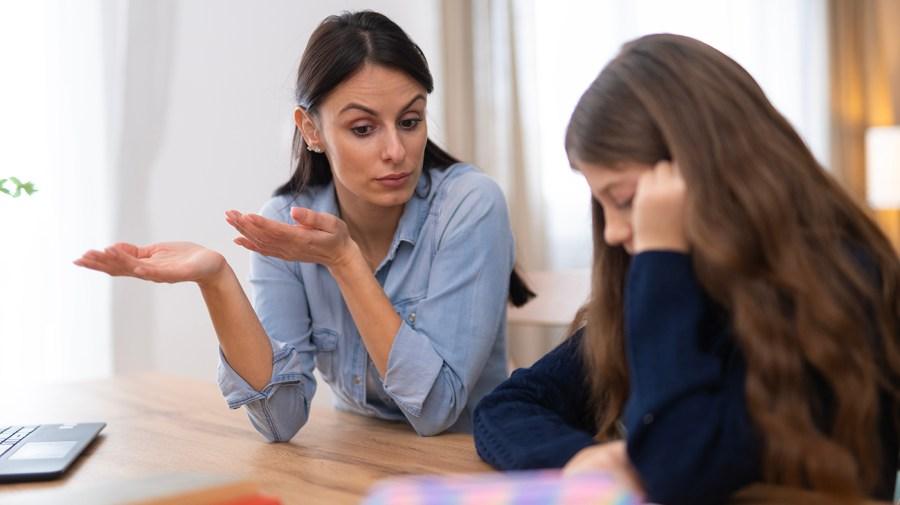
Teachers and Parents Face Challenges in Managing Student Behavior
Student behavior in the classroom has become a growing concern for educators. According to an Education Week survey released this month, 64 percent of teachers reported that classroom behavior has worsened over the past year. This issue is prompting teachers to seek solutions from both parents and school administrators.
The Need for Smaller Class Sizes
One of the top solutions proposed by more than 60 educators is smaller class sizes. This approach is seen as a way to allow teachers to better manage student behavior and provide individualized attention. However, teachers also believe that parents must play a more active role in teaching their children how to behave in the classroom.
Parental Involvement in Teaching Behavior
More than 55 percent of teachers said that parents should receive instructions on how to teach children appropriate classroom behavior. A majority of educators also support restricting screen time in schools and limiting parents’ ability to undermine school consequences such as detention.
Additionally, around 50 percent of teachers believe that tougher consequences for students, such as suspensions or expulsions, are necessary. Experts emphasize that parental support can significantly influence student behavior in the classroom.
The Role of Discipline and Parental Support
Daniel Buck, a research fellow for the American Enterprise Institute and former teacher, noted that many parents are supportive of discipline in schools. He shared that some parents have expressed willingness to back up teachers if their child misbehaves, even for minor infractions. However, he also pointed out that it can be challenging to work with parents who do not believe in formal punitive punishment or who think their child “can do no wrong.”
The tension between teachers and parents regarding discipline is not new but has intensified due to increased misbehavior since the pandemic. This has sparked a debate on how to address the issue effectively.
Restorative Practices vs. Punitive Measures
A growing movement within the education community and among parents advocates for restorative practices rather than punitive punishments. Nancy Duchesneau, a senior manager at EdTrust, emphasized the need for a collaborative effort between educators and parents to support student behavior through evidence-based practices.
Justin Wax, principal of Denham Springs Junior High in Louisiana, shared his school’s approach to reducing suspensions and expulsions. His school has implemented alternatives such as tutoring during detention and programs like vaping education courses. Wax explained that when parents send their children to school, the school acts as the parent on site, and disagreements often arise when personal preferences interfere with what is best for the student.
Balancing Restorative Practices and Consequences
Some school leaders worry that the shift towards less punitive discipline has gone too far. They argue that a combination of restorative practices and consistent punishments can help students while minimizing parent complaints. Nicole Peterson, principal of Brentwood Middle School in Colorado, highlighted the importance of setting clear expectations and consequences for student behavior.
However, she also warned that inconsistency in these practices can lead to challenges in maintaining authority in the classroom. Some parents, however, take issue with the idea that they might interfere with school discipline processes.
Parental Perspectives on School Discipline
Keri Rodrigues, president of the National Parents Union, argued that parents should have a say in their child’s education. She stated that parents do not give up custody of their children when sending them to school, and the notion that they should not be involved in disciplinary decisions is offensive.
Rodrigues emphasized that the idea of parents being excluded from disciplinary discussions is not only audacious but also disrespectful. She stressed that these are their children, and parents should have a voice in how they are treated in school.
Conclusion
The issue of student behavior in the classroom remains a complex challenge that requires collaboration between teachers, parents, and school administrators. While some advocate for stricter consequences, others promote restorative practices. Finding a balance that supports student development while respecting parental involvement is essential for creating a positive learning environment.

- Latihan Soal OSN Ilmu Komputer SMA 2026 - June 1, 2026
- Latihan Soal OSN Kebumian SMA 2026 - May 31, 2026
- Latihan Soal OSN Geografi SMA 2026 - May 30, 2026


Leave a Reply