Georgia Court of Appeals Reverses Cobb Student Expulsion, Upholds Teacher’s Firing in Separate Ruling
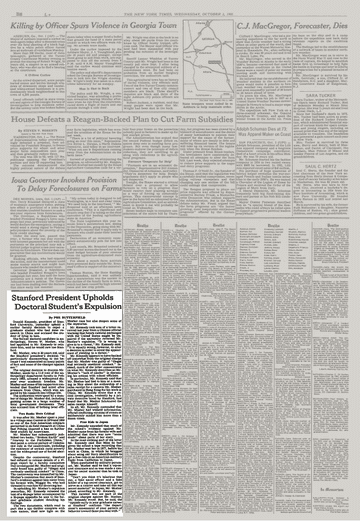
A New Ruling in Georgia Highlights Legal and Social Tensions in Education
A recent decision by the Georgia Court of Appeals has placed Cobb County Schools at the center of two significant legal cases that are drawing national attention. These cases involve a Black student with a disability who is fighting an expulsion and a teacher who was dismissed due to controversy over LGBTQ+-inclusive literature. The rulings not only affect the individuals involved but also raise broader questions about the authority of school districts and the impact of educational policies on students and educators.
Case Involving a Student with a Disability
The first case involves a student identified as K.B., who was expelled from Cobb County Schools in 2023 for two years under the district’s off-campus conduct policy. This policy allows schools to discipline students for behavior that occurs outside of school grounds. Civil rights attorneys from the Southern Poverty Law Center have challenged this policy, arguing that it is overly broad and extends school authority beyond the campus in ways that may be unlawful.
The Georgia State Board of Education had previously ruled in favor of K.B., allowing him to return to school. However, the district appealed this decision just days before the school year began, leading to a prolonged legal battle that has now lasted several years.
The Georgia Court of Appeals did not directly address whether the expulsion itself was lawful. Instead, the court ordered a lower court to more closely examine the limits of a school district’s authority over off-campus behavior. For K.B.’s family, the impact has been deeply personal.
“This fight has worn my child down,” his mother said. “He’s missed his childhood… no basketball games, no prom.”
Lawyers with the Southern Poverty Law Center argue that this case highlights broader disparities in school discipline. Data cited in the case shows that Black students and students with disabilities are disproportionately affected by expulsions in Cobb County.
Case Involving a Teacher Dismissed Over LGBTQ+ Literature
In a separate ruling, the Georgia Court of Appeals upheld a prior decision that affirmed the dismissal of former teacher Katie Rinderle. Rinderle gained national attention after she was fired for reading a book featuring LGBTQ+ themes in her classroom. According to the Cobb County School District, the court found that she was dismissed for “willfully neglecting her duties and for other good and sufficient cause.”
This case has become a flashpoint in ongoing debates about classroom censorship, educators’ discretion, and how schools navigate conversations around identity and inclusion. It reflects the growing cultural and political tensions surrounding what is taught in schools and how educators should handle sensitive topics.
Broader Implications for Georgia Schools
Together, these two rulings highlight the increasing legal tensions surrounding the scope of authority that school districts hold—both within and outside the classroom. For K.B., the fight continues as his case returns to Cobb County Superior Court, where a judge must determine whether the district’s policy overreaches its boundaries.
For Rinderle, the decision represents a legal setback but also fuels a broader cultural and political debate that is playing out in schools across Georgia and beyond. As both cases move forward, they raise a critical question: how far should school systems go in shaping student behavior and controlling what is taught in the classroom?
Key Takeaways
- Off-Campus Conduct Policies: The ruling underscores concerns about the extent to which schools can regulate behavior that occurs outside of school.
- Disproportionate Impact: Data suggests that students of color and those with disabilities face greater risks of being expelled.
- Classroom Censorship: The dismissal of Rinderle highlights the ongoing debate over what materials should be included in education and the role of teachers in addressing diverse identities.
- Legal and Cultural Tensions: These cases reflect the complex interplay between legal authority, educational values, and societal norms.
As these cases continue to unfold, they will likely shape future discussions about the responsibilities of school districts, the rights of students and educators, and the balance between discipline and inclusion in education.

- Latihan Soal OSN Ilmu Komputer SMA 2026 - June 1, 2026
- Latihan Soal OSN Kebumian SMA 2026 - May 31, 2026
- Latihan Soal OSN Geografi SMA 2026 - May 30, 2026
Leave a Reply