Electric Vehicles Are Cleansing the Air Now
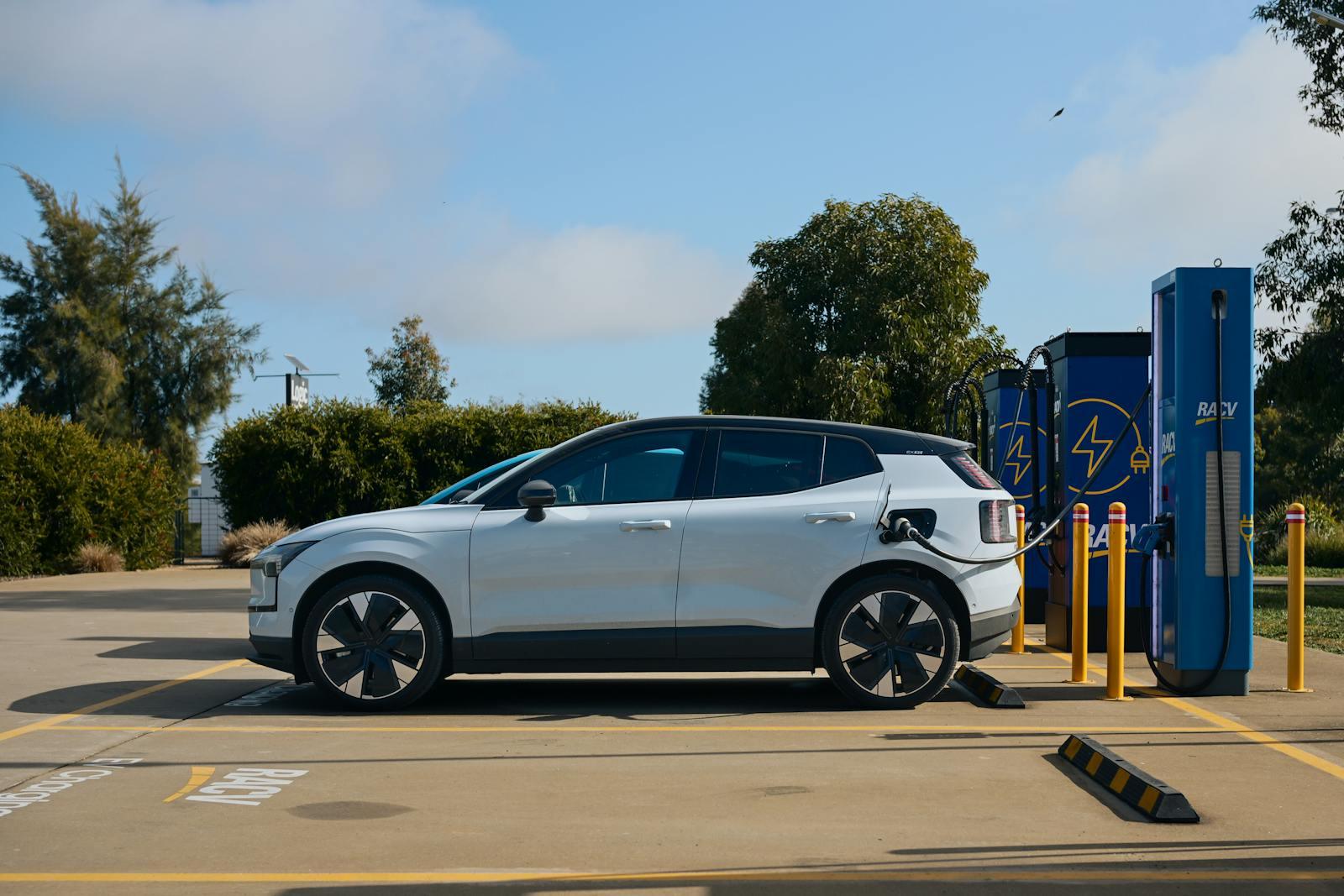
The Impact of Electric Vehicles on Air Quality
The transition to electric vehicles (EVs) has long been touted as a key strategy for improving public health by reducing harmful emissions from traditional internal combustion engines. Recent research has now provided concrete evidence that this shift is having a measurable effect on air quality, particularly in areas with high EV adoption rates.
A study published in the journal Lancet Planetary Health used satellite data to track changes in nitrogen dioxide levels across California between 2019 and 2023. Nitrogen dioxide is a pollutant commonly emitted by vehicles and can lead to serious health issues, including heart and lung problems, as well as premature death. The findings showed that for every 200 additional EVs in a ZIP code, nitrogen dioxide emissions dropped by 1.1 percent. This is one of the most comprehensive studies to date confirming the real-world benefits of EVs on air quality.
Why Satellite Data Matters
Previous studies relied on ground-based air monitors, which are limited in number and coverage. In California, there are only about 100 such monitors, making it difficult to gather statistically significant data. However, the use of satellite technology allowed researchers to collect information across nearly 1,700 ZIP codes, providing a more complete picture of how EV adoption affects pollution levels.
Sandrah Eckel, a public health professor at the University of Southern California’s Keck School of Medicine and lead author of the study, emphasized the significance of these findings. “A pretty small addition of cars at the ZIP code level led to a decline in air pollution,” she said. “It’s remarkable.”
The satellite instrument used in the study was specifically designed to detect nitrogen dioxide, but the methodology could be adapted to monitor other types of emissions, such as those from factories or residential areas. This opens up new possibilities for using satellite data to track and reduce various sources of pollution.
Broader Implications and Future Research
Mary Johnson, an environmental health researcher at Harvard University’s T.H. Chan School of Public Health, noted that this study is one of the largest of its kind and uses satellite data in a way that hadn’t been done before. She also pointed out that the researchers accounted for variables like the impact of the COVID-19 pandemic and shifts toward remote work, which adds credibility to their findings.
Johnson believes the results align with existing research, such as the effects of London’s congestion pricing policy, which reduced traffic and improved life expectancy. She suggests that future studies could explore the direct health impacts of reduced pollution, something this study did not fully address.
Daniel Horton, who leads Northwestern University’s climate change research group, sees value in the study’s approach. He said the findings support earlier predictions made by air quality models and could pave the way for similar research in other regions.
Addressing Equity and Future Goals
While the study highlights the positive impact of EVs on air quality, Eckel also acknowledges the need to ensure that the benefits of this transition are distributed equitably. Lower-income neighborhoods have historically faced higher levels of pollution due to proximity to highways and traffic, yet they often struggle to afford EVs. Eckel hopes that research like this will help guide policymakers in making EV adoption more accessible to all communities.
She also envisions future advancements in satellite technology that could allow for the detection of other pollutants, such as fine particulate matter. This could provide a more complete understanding of the environmental and health impacts of EVs, including potential downsides like increased tire and brake dust.
A Positive Outlook
Eckel remains optimistic about the future of EVs and their role in improving public health. She noted that the median increase in EV usage during the study was 272 per ZIP code, indicating that there is still significant room for growth. “There is plenty of opportunity to make our air even cleaner,” she said.
As EV adoption continues to evolve, studies like this underscore the importance of supporting policies that encourage widespread access to clean transportation. By combining technological innovation with equitable planning, society can move closer to a healthier and more sustainable future.

- IDI Riau Buka Kesempatan Diskusi Dokter RSUD Tengku Rafian Siak tentang Kesetaraan Gaji - March 30, 2026
- Your Core Routine Is Incomplete Without These Oblique Exercises - March 30, 2026
- Mengapa Lutut Saya Memar Akibat Berlari? - March 30, 2026



Leave a Reply