Waist-to-Height Ratio Better Predicts Obesity Risk in Seniors Than BMI
The Importance of Accurate Obesity Screening in an Aging Population
As the United Kingdom’s population continues to grow older, the prevalence of obesity and related health conditions is placing a significant strain on the National Health Service (NHS). In response to this growing challenge, researchers are exploring more accurate methods for identifying individuals at risk. One such method is the waist-to-height ratio (WHtR), which offers a more reliable indicator of visceral fat accumulation and its impact on internal organs.
Understanding the Waist-to-Height Ratio
The waist-to-height ratio (WHtR) is gaining recognition as a more effective measure of obesity compared to the traditional Body Mass Index (BMI). While BMI provides a general assessment of body weight relative to height, it does not account for the distribution of fat in the body. WHtR, on the other hand, focuses on the amount of abdominal fat, which is closely linked to serious health risks such as heart disease, stroke, and dementia.
This measurement is particularly useful for older adults, as it can help identify those who may be at risk despite having a normal BMI. For example, individuals with less muscle mass may appear to have a healthy weight based on BMI alone, but their waist circumference could indicate a higher risk of obesity-related diseases.
Research Findings from the Universities of Sheffield and Nottingham
A recent study conducted by researchers from the Universities of Sheffield and Nottingham analyzed trends in obesity in England between 2005 and 2021 using data from the Health Survey for England. The research team examined both BMI and various waist-related measures, including WHtR, to better understand how these metrics reflect changes in health over time.
The findings, published in the International Journal of Obesity, reveal that increases in obesity are largely influenced by environmental factors rather than individual behaviors. This suggests that broader systemic actions are needed to address the food environment and promote healthier lifestyles.
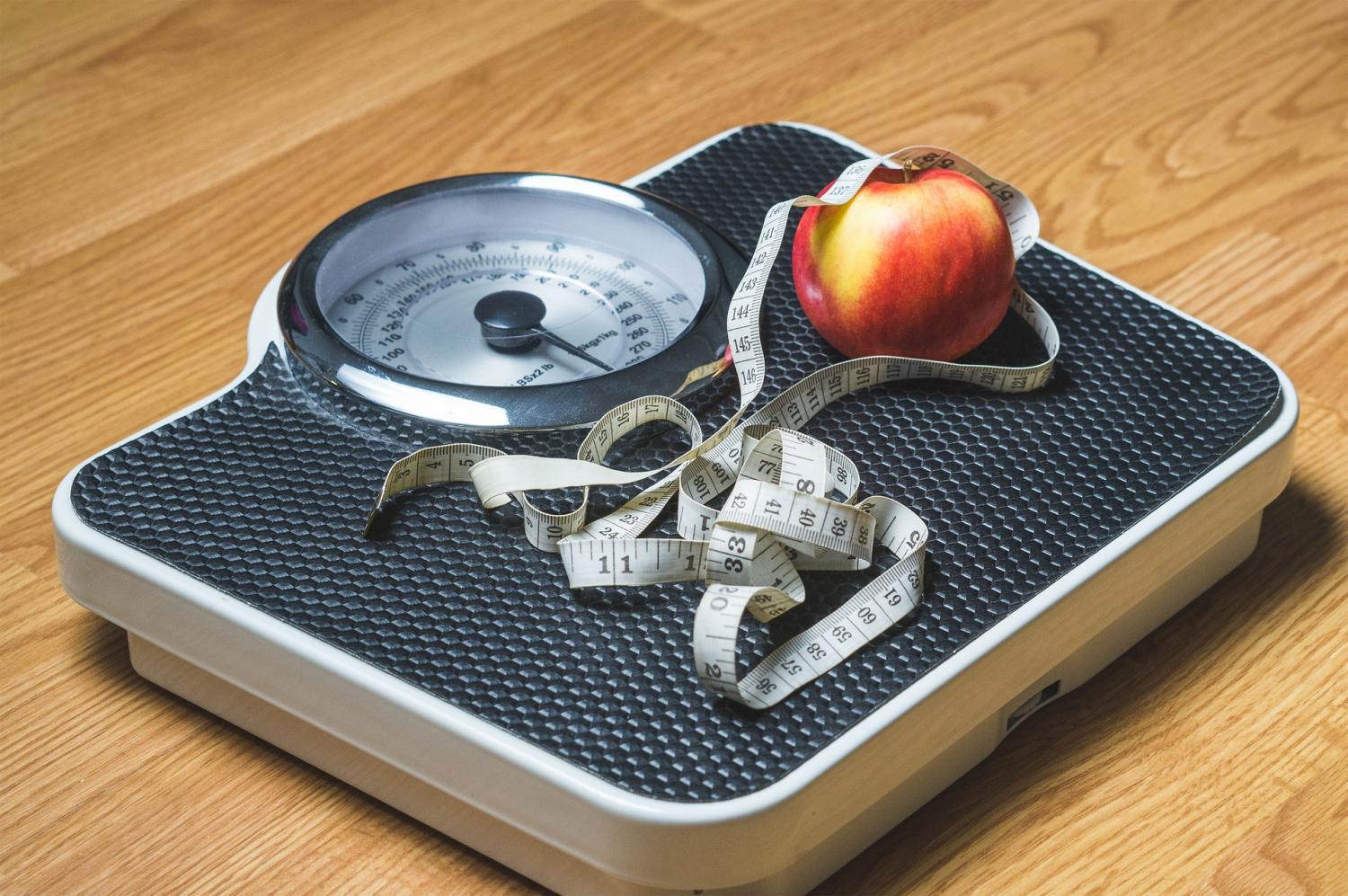
Dr. Laura Gray from the University of Sheffield emphasized the limitations of BMI, stating that it may mislead older adults and those with lower muscle mass into believing they are not at risk. She also highlighted the simplicity of WHtR, noting that people can easily assess their own risk using a measuring tape. If one’s waist is less than half their height, it is a good sign of a healthy weight.
Implications for Public Health
The study also found that WHtR provides a clearer and more consistent indicator of increasing health risks with age compared to other measures like BMI. Unlike BMI, which tends to rise during middle age and then decline due to muscle loss, WHtR continues to increase steadily. This makes it a more accurate predictor of obesity-related diseases in older adults.
These findings challenge the common belief that carrying extra weight in later life can be protective. Instead, they underscore the importance of maintaining a healthy waist size throughout aging. The research supports the National Institute for Health and Care Excellence’s recommendation to use WHtR alongside BMI, reinforcing the public health message of “Keep your waist circumference less than half your height.”
Future Directions
The study highlights the need for healthcare providers to adopt more comprehensive screening tools to ensure that older adults at risk are identified and offered preventive care. By integrating WHtR into routine assessments, medical professionals can improve early detection and intervention for obesity-related conditions.
As the UK’s population continues to age, the adoption of more accurate screening methods like WHtR will play a crucial role in addressing the growing burden of obesity on the NHS. These efforts could lead to better health outcomes and a more sustainable healthcare system for future generations.

- Latihan Soal OSN Ilmu Komputer SMA 2026 - June 1, 2026
- Latihan Soal OSN Kebumian SMA 2026 - May 31, 2026
- Latihan Soal OSN Geografi SMA 2026 - May 30, 2026



Leave a Reply