What You Need to Know About Major Shifts in Child Vaccine Guidelines
Overview of Changes in Childhood Vaccine Recommendations
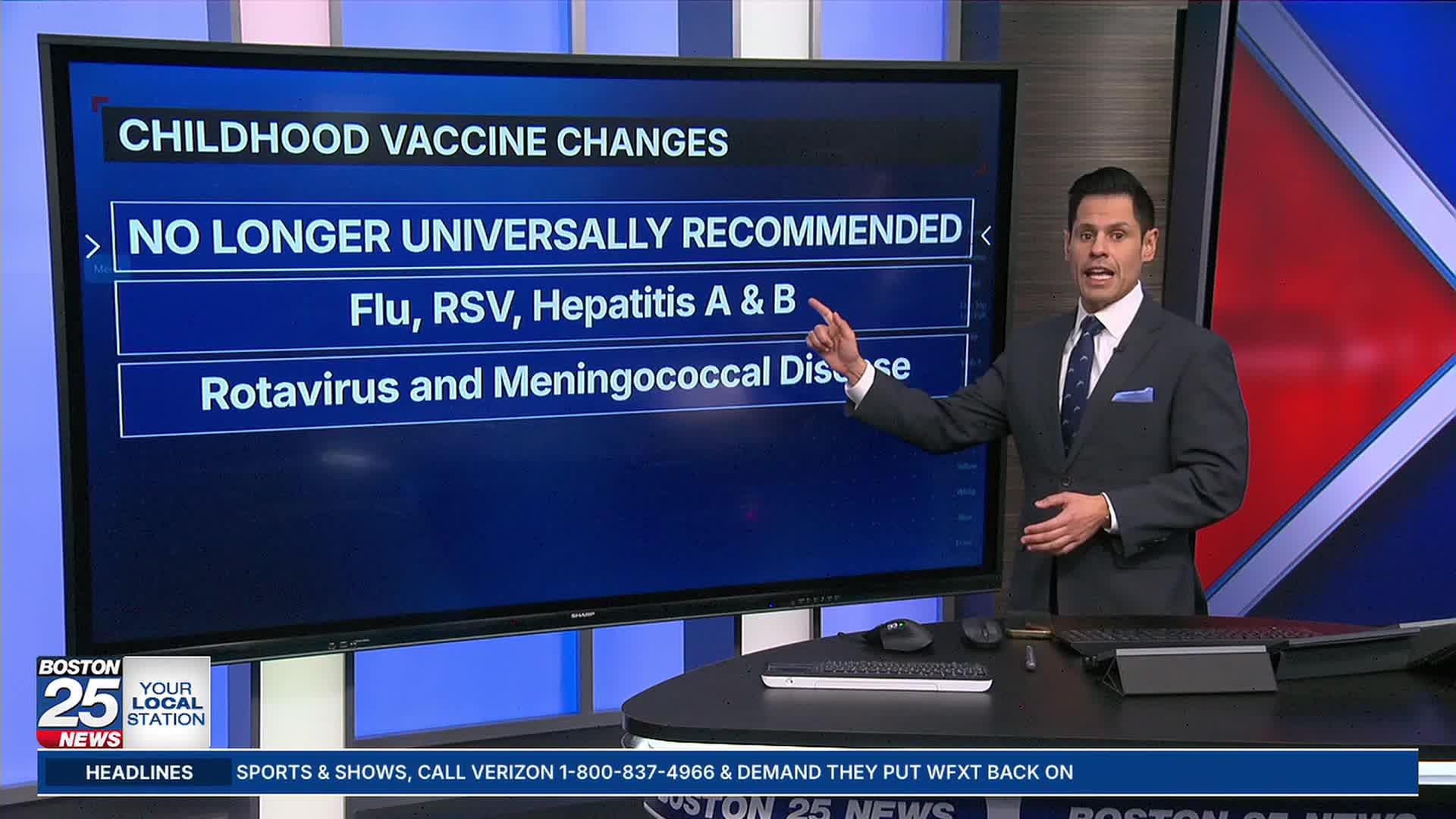
U.S. health officials have made significant adjustments to childhood vaccine recommendations, causing concern among pediatricians and other medical professionals. These changes are expected to create confusion and potentially harm children’s health. The new guidelines take effect immediately, reducing the number of diseases for which all children are recommended to receive vaccines from 18 to 11.
This shift comes as vaccination rates in the U.S. have been declining, with an increasing number of children receiving exemptions. At the same time, the incidence of diseases like measles and whooping cough is on the rise.
Key Changes in Federal Vaccine Recommendations
Some vaccines that were previously widely recommended are now only advised for certain children at high risk or based on individual doctor advice through a process known as “shared decision-making.” These include:
- Flu
- Hepatitis A
- Hepatitis B
- Meningococcal disease
- Rotavirus
- RSV
- COVID-19, a change implemented in 2025
Vaccines That Remain Recommended for All Children
The following vaccines continue to be recommended for all children:
- Measles, mumps, and rubella (MMR)
- Diphtheria, tetanus, and pertussis (DTaP)
- Polio
- Chickenpox
- Human papillomavirus (HPV), though the number of doses has been reduced from two or three to just one.
- Hib (Haemophilus influenzae type B)
- PCV (pneumococcal conjugate vaccine)
Reasons Behind the Changes
The U.S. Department of Health and Human Services stated that the changes were a response to a request from former President Donald Trump in December. He asked the agency to review how peer nations approach vaccine recommendations and consider revising U.S. guidance accordingly. HHS claimed that the U.S. was an “outlier” in the number of vaccinations and doses it recommended to children. Officials framed the changes as a way to increase public trust by focusing on the most important vaccinations.
However, many European countries still recommend some of the vaccines that the U.S. has removed from its list.
Reactions from Medical Professionals
Large doctors’ groups, including the American Medical Association and the American Academy of Pediatrics, have expressed concerns about the changes. They plan to continue recommending the vaccines that the Trump administration has demoted, stating there is no new scientific evidence supporting these changes. They also emphasized that there is no indication that the previous vaccine schedule harmed children.
Dr. Sean O’Leary of the AAP warned that the changes could lead to increased illness and death from preventable diseases. He specifically pointed out the concern over removing the flu vaccine recommendation for children, especially during a severe flu season after a particularly harsh winter.
The pediatricians’ group has issued its own child vaccine recommendations. Additionally, states have the authority to require vaccinations for schoolchildren, and some have begun creating their own alliances to counter the Trump administration’s guidance on vaccines.
Impact on Families
It remains unclear how these changes will affect families. While doctor visits may not change due to conflicting recommendations, medical specialists believe that when the U.S. government does not explicitly recommend a shot, it may raise questions among parents, leading to more difficult conversations at the doctor’s office.
If fewer children are vaccinated, outbreaks that have historically been prevented by high vaccination rates could spread more widely, resulting in more disease and more missed school and work.
Insurance Coverage for Vaccines
The Trump administration stated that insurance coverage will continue for families that still want the shots. Health insurers generally view vaccination as a cost-effective measure, as shots are cheaper than hospitalizations. Many had previously indicated they would cover what was recommended last year through 2026.

- Marshall Restores Water, Boil Advisory Still Active - March 30, 2026
- Charles Honoris Dorong Pendidikan Gizi Lindungi Generasi Muda Tabanan - March 30, 2026
- Roswell Park dihapus dari beberapa rencana Medicare Advantage Independen 2026 - March 30, 2026


Leave a Reply