CDC cuts childhood vaccine recommendations, raising public health alarms
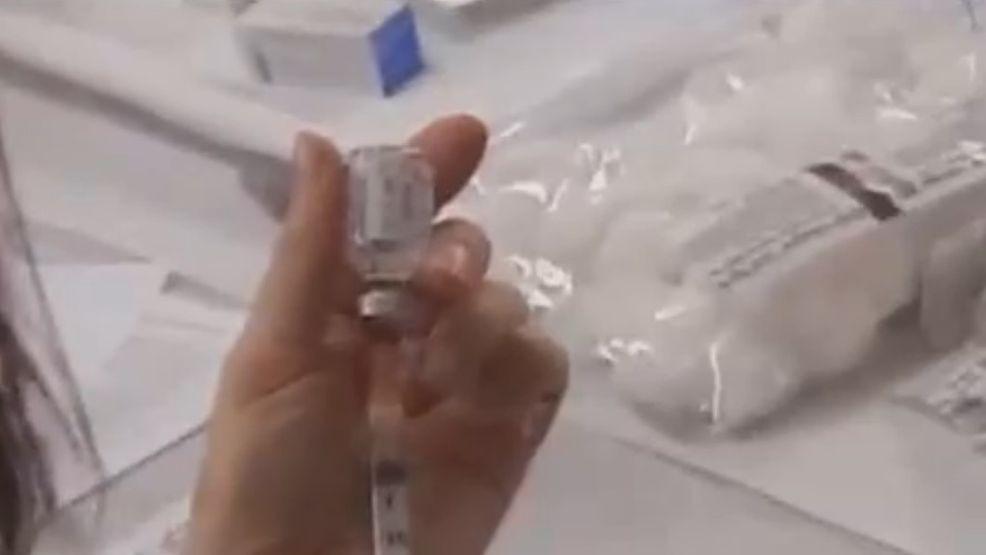
Changes in Vaccine Recommendations for Children
Rochester, N.Y. – The Centers for Disease Control and Prevention (CDC) has made a significant change to the recommended vaccine schedule for children, reducing the number of vaccines from 17 to 11. This decision has sparked discussions among health professionals and parents alike, as it raises questions about the potential impact on children’s health and the spread of preventable diseases.
Background on the New Guidelines
The new guidelines suggest that only children in high-risk groups should receive certain vaccines, including those for hepatitis, meningitis, the flu, and RSV. While this approach is intended to simplify the vaccination process, some experts are concerned about the long-term consequences of such changes.
Dr. Elizabeth Murray, a pediatrician at Golisano Children’s Hospital, expressed her concerns about the decision. She emphasized that the previous vaccine schedule had been well-researched and had saved countless lives over the years.
“We have had for decades a well-researched, well-vetted schedule that has saved countless lives, prevented hundreds of thousands, if not millions of hospitalizations every year,” she said.
Reactions from Public Figures
President Trump described the change as “common sense” and a more reasonable schedule. However, officials admitted that the decision did not involve an advisory panel, which has raised concerns about transparency and the potential strain on parents trying to navigate the new recommendations.
Dr. Murray pointed out that the change could create confusion for parents, even though the science behind the vaccines is clear. “This will work to kind of create confusion for parents when there really shouldn’t be any confusion. The science is clear. The information is clear. We have a schedule that works.”
State-Specific Vaccine Policies
In New York State, Dr. Murray reassured parents that vaccine schedules are determined on a state-by-state basis. She noted that the new CDC guidelines may not lead to immediate changes in the state’s policies.
“Right now, at least in New York State, and what we’re hearing from around the country is that the vaccines will still be covered by insurance,” she said.
Dr. Murray also acknowledged the challenges that parents may face in understanding the new guidelines. As a parent herself, she empathized with those navigating the new landscape.
“It makes me sad to think that parents will now think that vaccines could be dangerous, that something about these vaccines could be harmful when we know that the diseases are far more dangerous than the vaccines,” she said.
What Parents Should Do
Parents are advised to consult with their doctors to determine if additional vaccines are necessary for their children. This personalized approach can help ensure that each child receives the appropriate care based on their individual health needs and risk factors.
While the new guidelines may appear to simplify the vaccination process, they also highlight the importance of staying informed and working closely with healthcare providers. By doing so, parents can make informed decisions that protect their children’s health and well-being.

- Hewan juga Terjebak Ilusi Optik untuk Bertahan Hidup - March 21, 2026
- Eric Dane mengungkap jatuhannya yang tidak menyenangkan, dan perawatan di rumah sakit adalah alasan dia melewatkan pertemuan ‘Grey’s Anatomy’ di Emmy - March 21, 2026
- 7 Kebiasaan Harian yang Mengancam Kesehatan Ginjal - March 21, 2026



Leave a Reply