How Did “Project Hail Mary” Fare With Science?
A New Sci-Fi Adventure
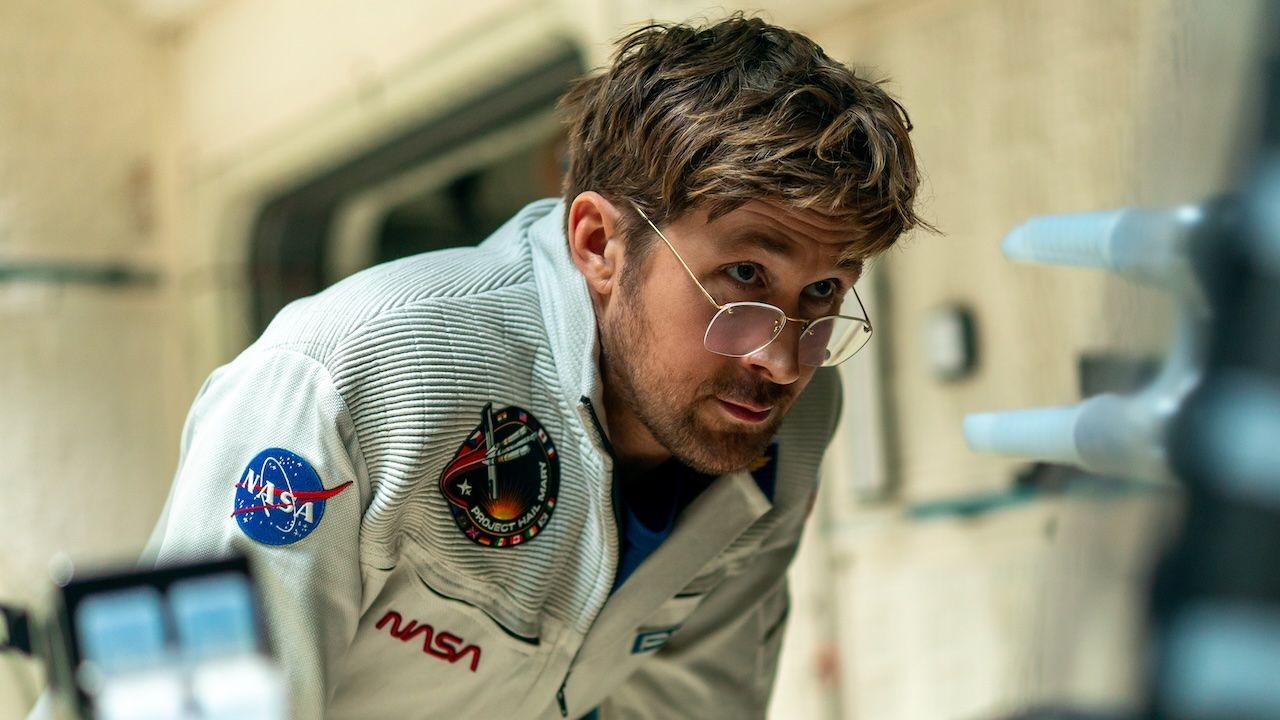
Project Hail Mary, the 2026 movie featuring Ryan Gosling, is set to capture the hearts of book lovers and sci-fi enthusiasts. This film follows the journey of a high school science teacher who wakes up on a spaceship with no memory, only to discover he has a crucial mission ahead. The story, adapted from Andy Weir’s 2021 novel of the same name, is rich with scientific elements. To ensure accuracy, directors Phil Lord and Chris Miller sought the insights of renowned astronomer Neil DeGrasse Tyson.
Scientific Accuracy in Film
Neil DeGrasse Tyson, an esteemed astrophysicist, is known for his candid assessments of scientific accuracy in movies. Recently, Phil Lord and Chris Miller spoke with Sirius XM’s Julia Cunningham about their experience with Tyson. They shared that Tyson attended a premiere and gave them his feedback:
- Julia Cunningham: At any point was Neil deGrasse Tyson just brought in as a consultant?
- Phil Lord: He was at the party last night.
- Julia Cunningham: He was?
- Phil Lord: And we all mugged him.
- Christopher Miller: We’re like, ‘So how did we do? How did we do?’
- Julia Cunningham: Yes. What did he say?
- Christopher Miller: He said we got the science right. We passed the Neil deGrasse Tyson test, yeah.
- Julia Cunningham: You know, because don’t get him started on Armageddon.
- Christopher Miller: I know. Thank god.
- Julia Cunningham: Literally, he’s like, ‘You can just kick that asteroid out of the way.’ Look it up.
Tyson’s critique of Armageddon highlighted the film’s unrealistic portrayal of space science. However, his positive feedback on Project Hail Mary is a significant endorsement.
A History of Scientific Critiques
Tyson has often pointed out inaccuracies in popular sci-fi films. For instance, he fact-checked Gravity and noted its many space law errors, calling it “Angular Momentum.” He also criticized Interstellar and felt Star Wars didn’t accurately represent science. Despite not being on set during the filming of Project Hail Mary, one astrophysicist did contribute:
- Ryan Gosling: That’s where Andy Weir—I love this story about Andy—is that he said he knew that he was different when he was watching Titanic and when Jack dies, he thought, ‘Those aren’t the constellations that would be above them right now.’
- Julia Cunningham: Oh my god.
- Ryan Gosling: Anyway, so we wanted… like, that’s where Andy comes from. That’s why he started writing his own stories. All of those things are important to him. Neil deGrasse didn’t come to set, unfortunately, but Brian Cox did.
- Julia Cunningham: Okay.
- Ryan Gosling: So, we got to pick his brain a little bit.
- Julia Cunningham: Legendary actor Brian Cox or—
- Ryan Gosling: No. Astrophysicist.
- Julia Cunningham: Astrophysicist. I was like, ‘Wow, legendary actor Brian Cox.’ I was like, ‘Did he have a lot of insight?’
Scientific Collaboration
The involvement of Brian Cox, an astrophysicist, was invaluable. While science-based films often take creative liberties, the team behind Project Hail Mary managed to maintain a high level of accuracy, impressing even Tyson.
Box Office Success
With a strong opening weekend earning $11 million domestically, Project Hail Mary is off to a promising start. Science fans who have already booked their tickets or are considering it may find comfort in Tyson’s approval. It seems that Phil Lord and Chris Miller have successfully completed their cinematic mission, especially if the box office continues to thrive. The film is currently available in theaters.

- How Did “Project Hail Mary” Fare With Science? - April 8, 2026
- Ribuan Jamaah Muhammadiyah Shalat Idul Fitri di SDN Cipondoh 1 Tangerang - April 8, 2026
- Amanda Peet’s Breast Cancer Diagnosis During Parents’ Hospice Care - April 8, 2026

Leave a Reply