Sargassum Surge: Which Beaches Will Face the Worst Impact in 2026?
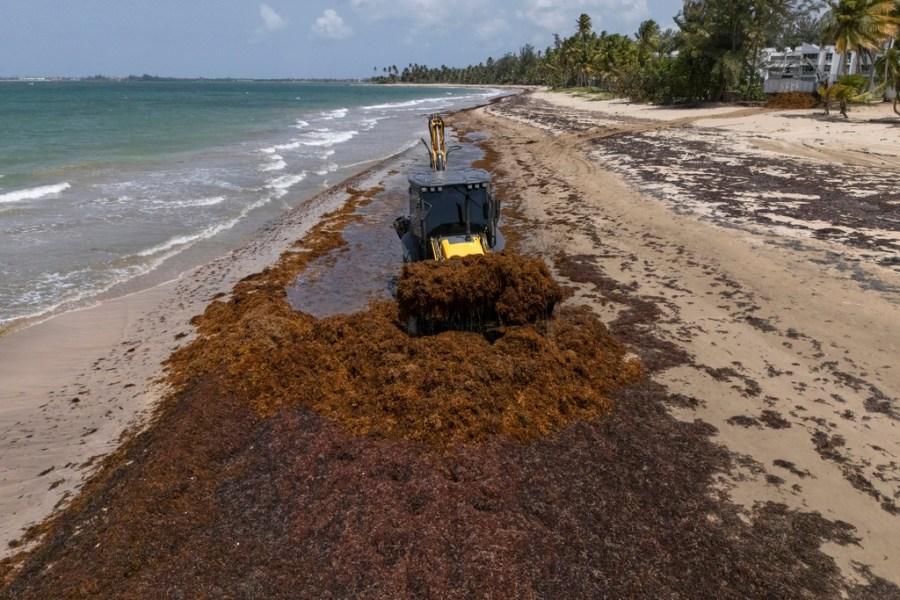
Related video above: Fishermen talk about the impact of sargassum in May 2025
The amount of sargassum seaweed blooming in the ocean has reached record volumes, according to researchers, and there’s more where that came from. The floating seaweed clumps, which grew from an estimated 9.5 million tons to 13.6 million tons in just one month, are expected to grow even more as the weather warms up. As the sargassum washes ashore, some beaches could be inundated with the stinky seaweed, as they have been in years past.
“Because of the continuous growth from November to February and because of the record-high Sargassum amount in most regions, 2026 is set to be another major Sargassum year,” researchers with the University of South Florida said at the end of February.
Sargassum isn’t a big nuisance when it’s floating out in the water. The problems start when waves of it come onshore, where it rots and emits hydrogen sulfide. It smells like rotten eggs and can cause breathing problems for people with sensitivities.
Some parts of the Caribbean, including the coasts of Mexico, Belize and Honduras, have already started seeing sargassum on beaches, according to USF. Pictures from Cuba show the sargassum starting to encroach on streets in Havana.
Spring break hot spots in Mexico, like Tulum, Playa del Carmen and Isla Mujeres, have also seen tons of the seaweed wash up early in the season, reports Mexico News Daily. The tourism industry is bracing for one of the worst years ever for sargassum.
“This year is going to be terrible,” Rosa Rodríguez, a researcher at the National Autonomous University of Mexico’s Institute of Limnology and Marine Sciences, told the outlet.
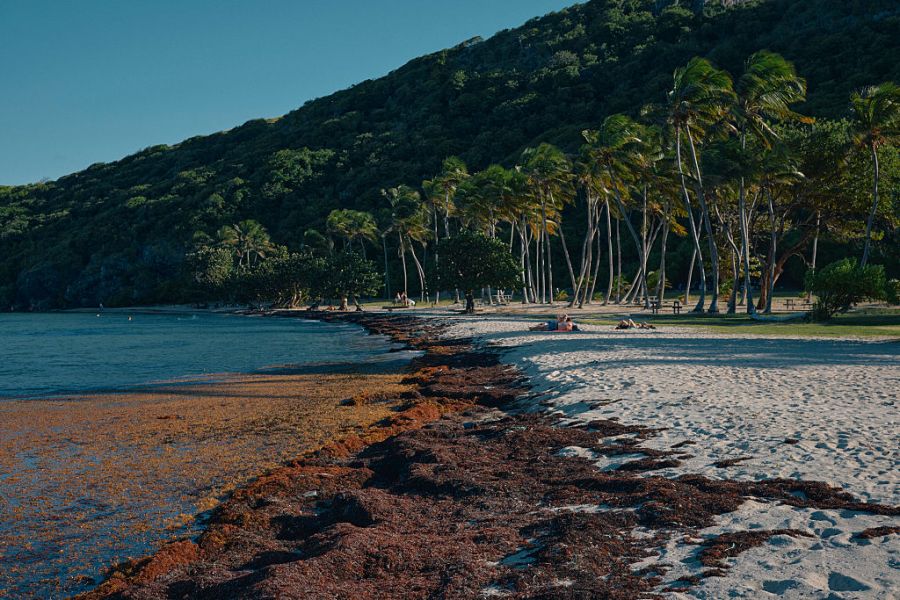
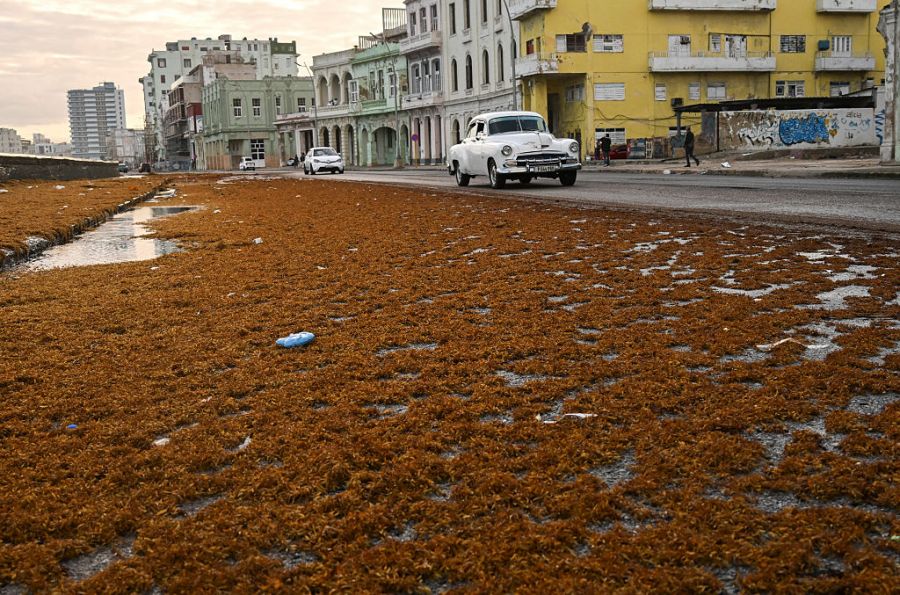
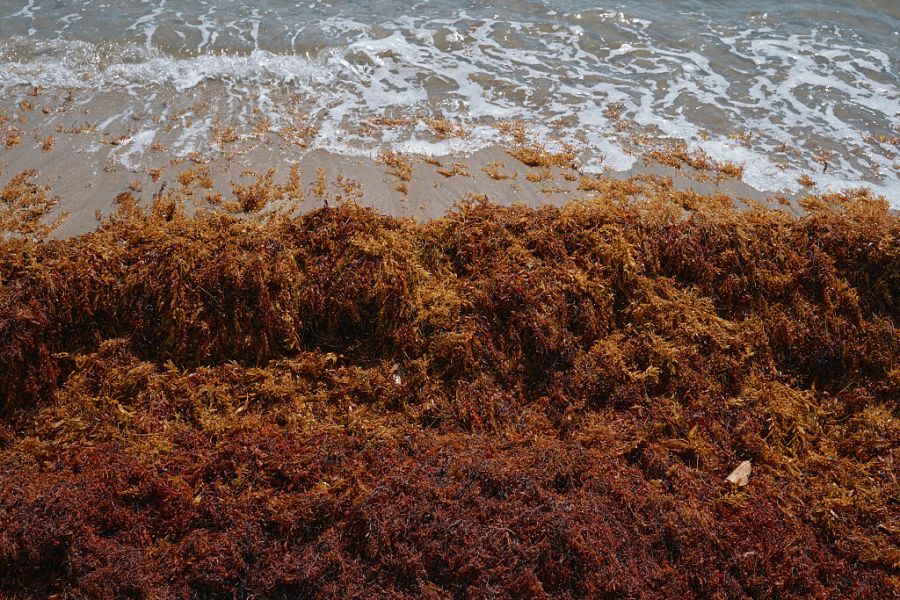
In the coming months, more beaches around the West Caribbean will likely be inundated. Researchers say beaching may happen next in the Lesser Antilles, a long chain of islands from east of Puerto Rico to Aruba.
A piece of good news: The amount of sargassum in the Gulf is relatively low, at least for now.
As the blooms are expected to grow in the coming months, tourism destinations from Florida to Cancun have been trying to prepare. The Mexican Navy has joined the effort to collect and clean up the sargassum, according to Border Report.
The Florida Department of Health recommends beachgoers avoid touching or swimming near the seaweed. The small creatures that live inside it, like jellyfish larvae, could sting or cause your skin to itch.
The department also suggests using gloves if you have to handle sargassum and closing windows if you live near the beach to avoid breathing issues and bad smells.
Key Impacts of Sargassum on Coastal Areas
- Environmental Concerns: Sargassum accumulation on beaches leads to the release of hydrogen sulfide, creating unpleasant odors and potential health risks.
- Tourism Challenges: Popular tourist destinations are facing significant disruptions due to the early and heavy presence of sargassum, affecting local economies.
- Economic Strain: The tourism industry, especially in areas like Tulum and Playa del Carmen, is preparing for one of the worst sargassum seasons in recent history.
- Health Advisories: Local health departments are issuing guidelines to protect residents and visitors from the negative effects of sargassum exposure.
Efforts to Mitigate the Problem
- Cleanup Initiatives: Various organizations and government agencies are working together to remove sargassum from beaches and coastal areas.
- Public Awareness Campaigns: Educational programs are being launched to inform the public about the dangers of sargassum and how to stay safe.
- Research and Monitoring: Scientists continue to monitor sargassum levels and predict future trends to help communities prepare for ongoing challenges.
Future Outlook
While the Gulf of Mexico currently has lower sargassum levels, experts warn that this could change as the season progresses. The potential for increased sargassum along the West Caribbean and the Lesser Antilles highlights the need for continued vigilance and proactive measures.
Local authorities and environmental groups are urging residents and visitors to remain informed and take necessary precautions to ensure safety and minimize the impact of this growing issue.


Leave a Reply