Spring 2026 Heat Dome Forecast Sparks Warnings
Spring Forecast for the United States
Spring officially arrived on Friday, March 20, and new forecasts suggest that the coming months will be unusually warm for most Americans. This is particularly true in the Western United States, where a record-breaking heat dome has already created summer-like conditions. Tens of millions are seeking relief from the heat by turning on air conditioners or heading to pools.
According to the National Oceanic and Atmospheric Administration’s (NOAA) Spring Outlook, released on March 20, drought conditions are expected to worsen or develop in many areas of the West and the south-central Plains during April through June.
Temperature Outlook
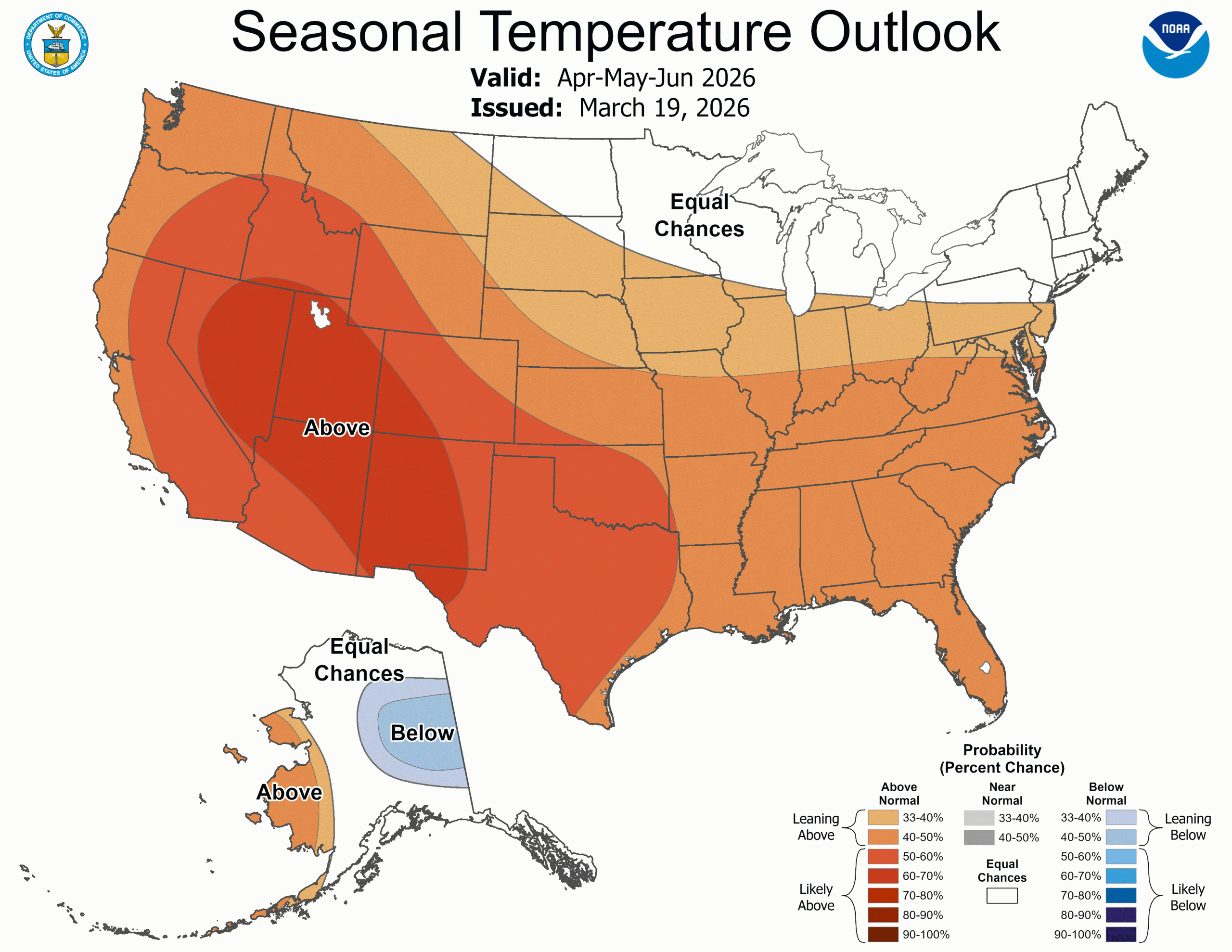
The NOAA Climate Prediction Center (CPC) predicts above-normal temperatures for much of the contiguous United States during the April to June period, with exceptions in parts of the northern Plains, upper Mississippi Valley, Great Lakes, and Northeast. The highest probabilities of above-normal temperatures, exceeding 60 percent, are forecast for the central Great Basin, Rockies, and parts of the Southwest.
Precipitation Outlook
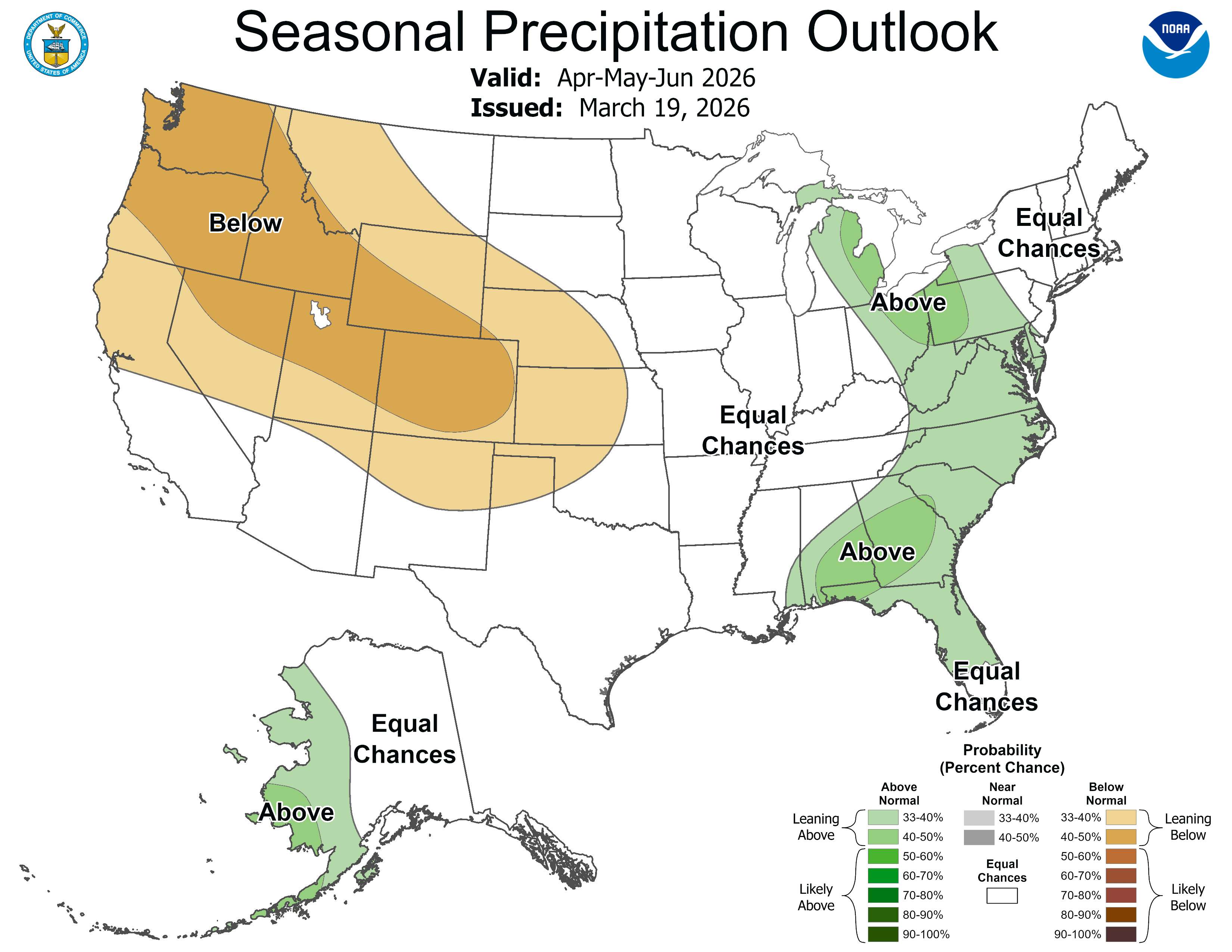
In terms of precipitation, below-normal amounts are expected for the Pacific Northwest, much of the Intermountain West, and the Rockies, as well as parts of the central High and Great Plains. Conversely, above-normal precipitation is favored for western Alaska and regions including the eastern Great Lakes, mid-Atlantic, and parts of the Southeast.
Hottest Regions
Jon Gottschalck, chief of the operational prediction branch at NOAA’s Climate Prediction Center, noted that the interior West, central and southern Rockies, Southwest, and central and southern Plains have the highest odds of experiencing above-normal temperatures, potentially including extreme heat episodes.
Spring Flooding Risk
NOAA has assessed the overall flood risk across most of the continental U.S. for spring as normal to below normal. This is due to a dry and warm winter, which has left soils dry in much of the Eastern U.S., reducing the threat of rainfall-driven flooding. Additionally, a below-normal snowpack will mitigate the risk of snowmelt-driven flooding.
However, the Red River of the North and lower Ohio Valley typically experience annual flooding, and this year is no exception. While widespread significant flooding is unlikely, heavy rainfall could still lead to major flooding events.
Typical Spring Weather Patterns
AccuWeather reports that the Midwest and Northeast are expected to see alternating periods of cold and warm air in the coming weeks, a typical pattern for spring. A massive heat dome in the Southwest is expanding, causing temperatures to rebound in parts of the Midwest and spreading to the Northeast.
This heat dome has already broken the record for the hottest March day in U.S. history, with temperatures reaching into the 90s and even past 100 degrees in some cities—conditions more typical of late spring or early summer.
Arctic Blasts and Cold Spells
Gottschalck mentioned that while some areas near the Great Lakes and parts of the Northeast may see below-normal temperatures during the middle of next week, these will not be as severe as previous Arctic blasts. By mid-April, major cold air periods are unlikely.
What Is a Heat Dome?
A heat dome is a sprawling area of high pressure that creates hot and dry conditions over days or weeks. AccuWeather senior meteorologist Alan Reppert described it as “a balloon” that expands and contracts throughout the day. Inside a heat dome, temperatures can become extremely high, and the lack of cloud cover leads to increased sunshine and further temperature rises.
Extended heat and dryness can lead to drought conditions and place strain on power grids. In Southern California, the early-season heatwave could cause ground cover to brown up earlier than usual, increasing fire danger if Santa Ana winds occur in April or May.
Dangers of Heat Domes
Heat domes pose risks such as heat stroke, heat exhaustion, and heat cramps. Experts recommend staying hydrated, wearing light clothing, and avoiding strenuous activities during peak heat hours. Air conditioning and swimming pools are effective ways to stay cool.
Is This a Good Example of a Heat Dome?
Yes, this is a clear example of a heat dome. Kines noted that the records being broken are not just by a degree but by several, and the early-season heat means people are not yet acclimated to the conditions.
Duration and Future Heat Domes
Kines said the current heat dome will begin to break down by the week of March 23, though temperatures will likely remain above historical averages. Gottschalck believes more heat domes are likely this spring, as climate models predict widespread above-normal temperatures with strong agreement among models.
Conclusion
As the spring season unfolds, the combination of heat domes, drought conditions, and shifting weather patterns will continue to shape the climate across the United States. Staying informed and prepared is essential for navigating the challenges ahead.




Leave a Reply