Iowa’s Scorching Saturday: A Heatwave Like No Other
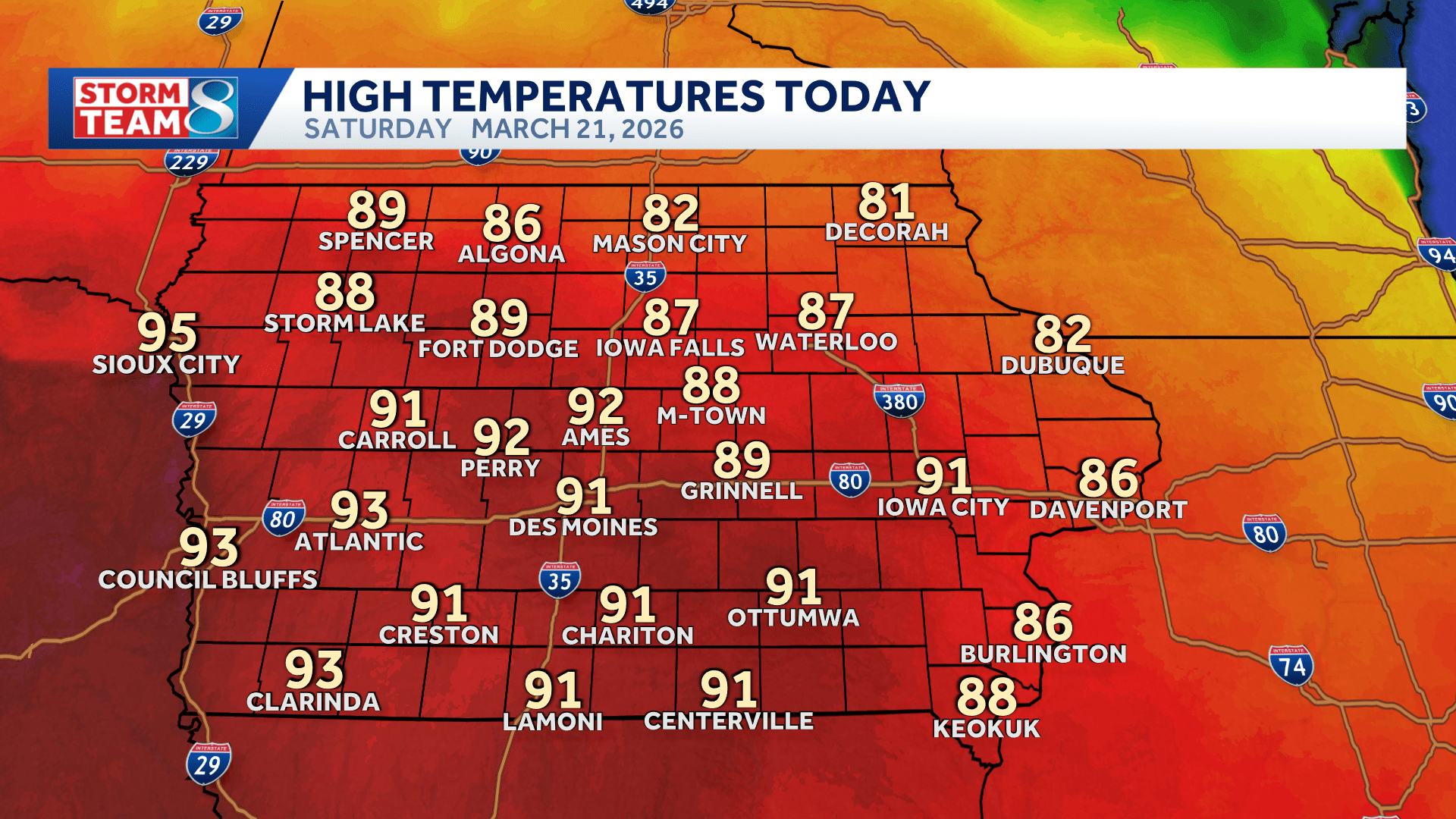
Temperatures in Iowa reached unprecedented levels on Saturday, with many areas exceeding 90 degrees. This extreme heat set multiple records, marking one of the most unusual weather events in recent memory. The sudden shift from frigid conditions to a scorching day was particularly striking, as just days prior, parts of the state experienced single-digit temperatures and snowfall.
The dramatic temperature change has sparked widespread interest, especially in central Iowa. Here’s a detailed look at how Saturday’s heat impacted the region and broke several records.
New Daily Record High
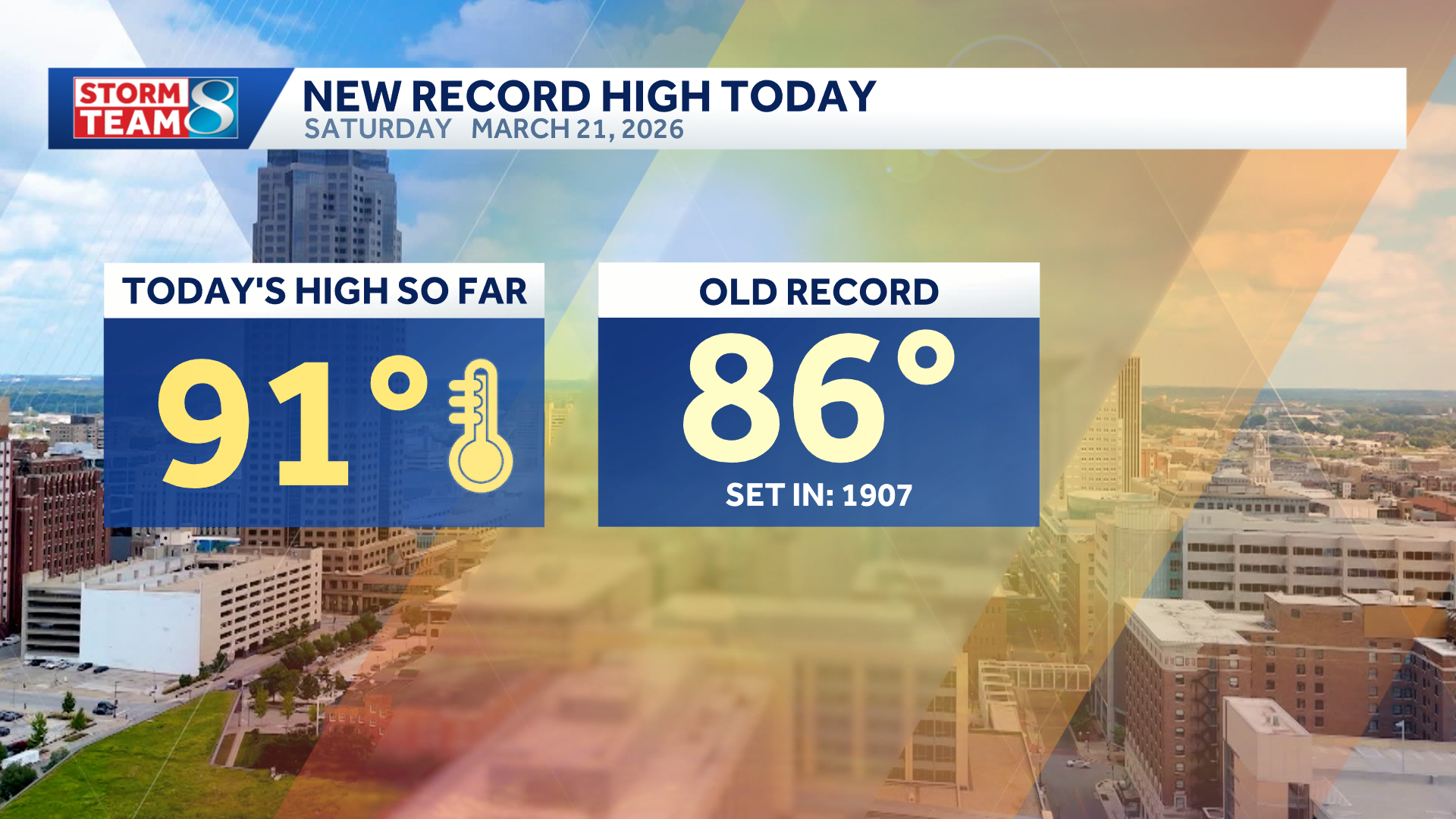
On Saturday, Des Moines recorded a high of 91 degrees, surpassing the previous record of 86 degrees for March 21. This new high is not only significant for its magnitude but also for its timing, as it marks the fifth daily record high broken or tied in Des Moines this year. Since 2022, no daily record lows have been broken, highlighting the unusual nature of these warm conditions.
This event is part of a broader trend of increasing temperatures in the area. While the city has seen some record highs this year, it has not experienced any record lows since 2022, indicating a consistent warming pattern.
Tying the March Record High
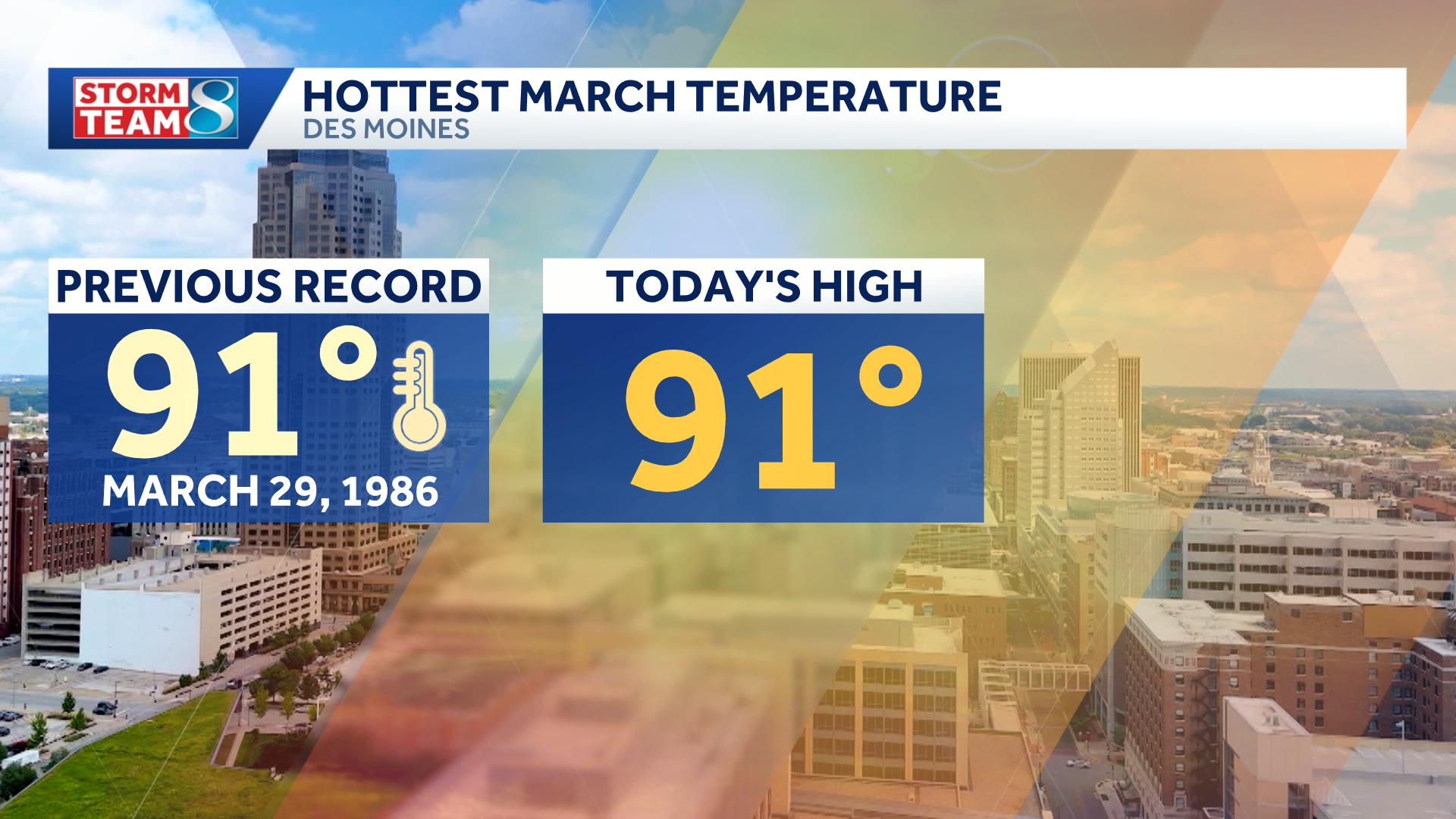
Saturday’s high of 91 degrees also matched the highest temperature ever recorded in the Des Moines area during March. Before this weekend, the metro area had only exceeded 90 degrees once in March—on March 29, 1986. This means that Saturday’s reading was not only a new record but also a historic milestone.
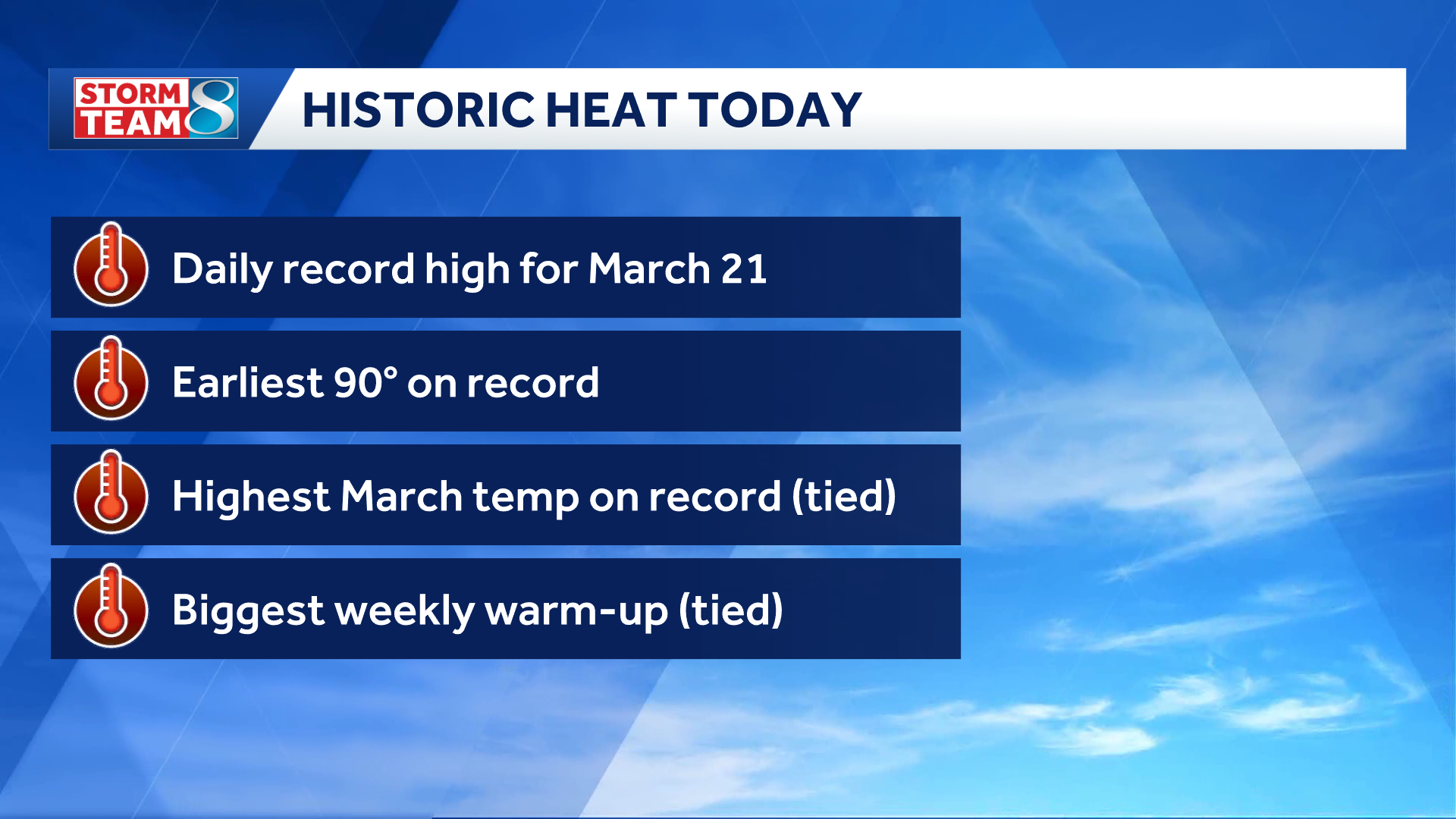
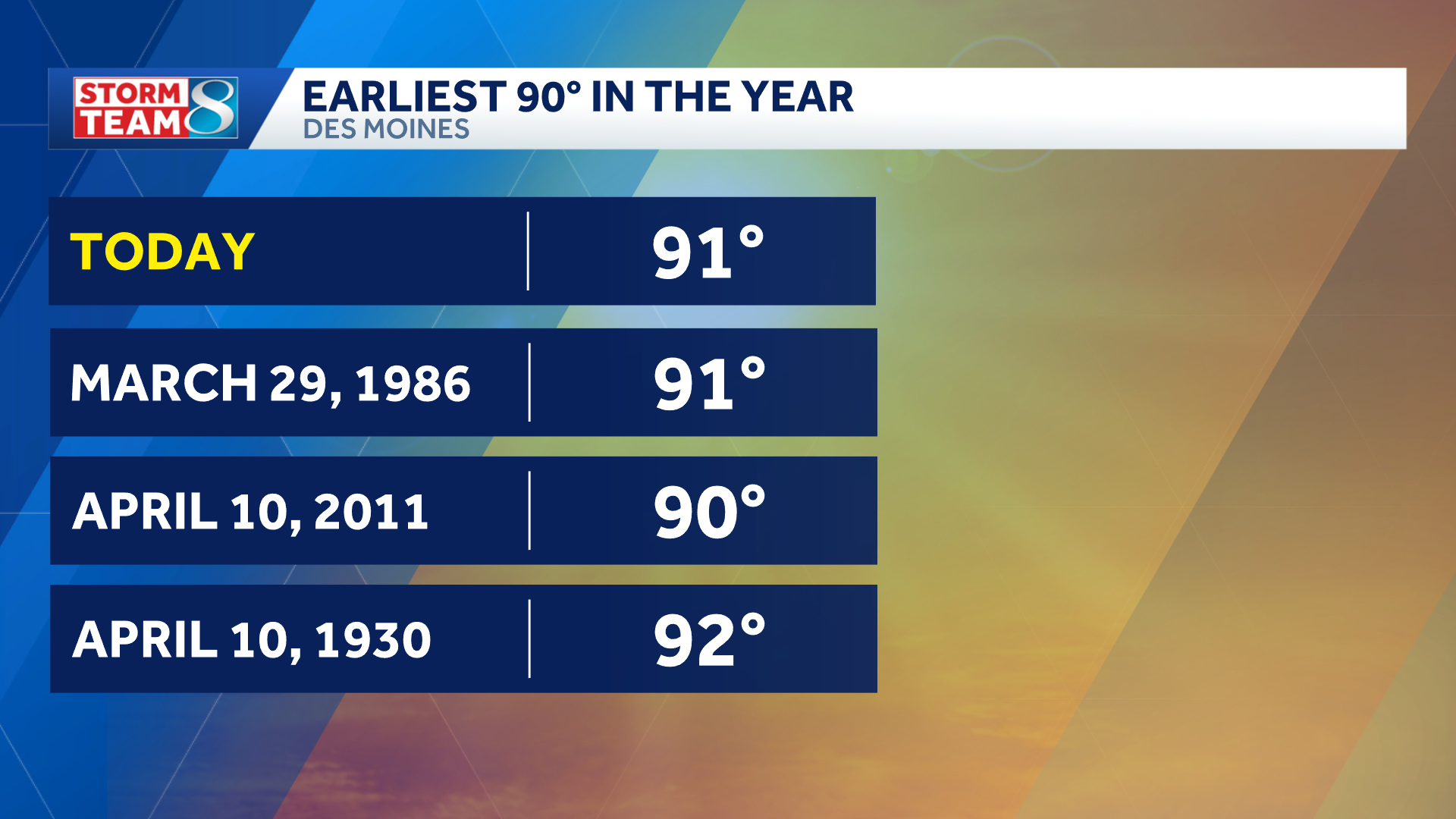
The previous 91-degree reading occurred near the end of March, making Saturday’s 91-degree high even more remarkable. It is the earliest date in the year that Des Moines has reached 90 degrees, occurring more than a week earlier than the previous record. These records date back to the 1870s, underscoring the significance of this event.
Earliest 90° Reading Ever Recorded
The impact of the heat was not limited to just breaking records; it also marked a first in the city’s history. The 91-degree high on Saturday was the earliest occurrence of a 90-degree reading in the year. This is a notable achievement, as such extreme temperatures are typically associated with later months.
Biggest Weekly Temperature Jump
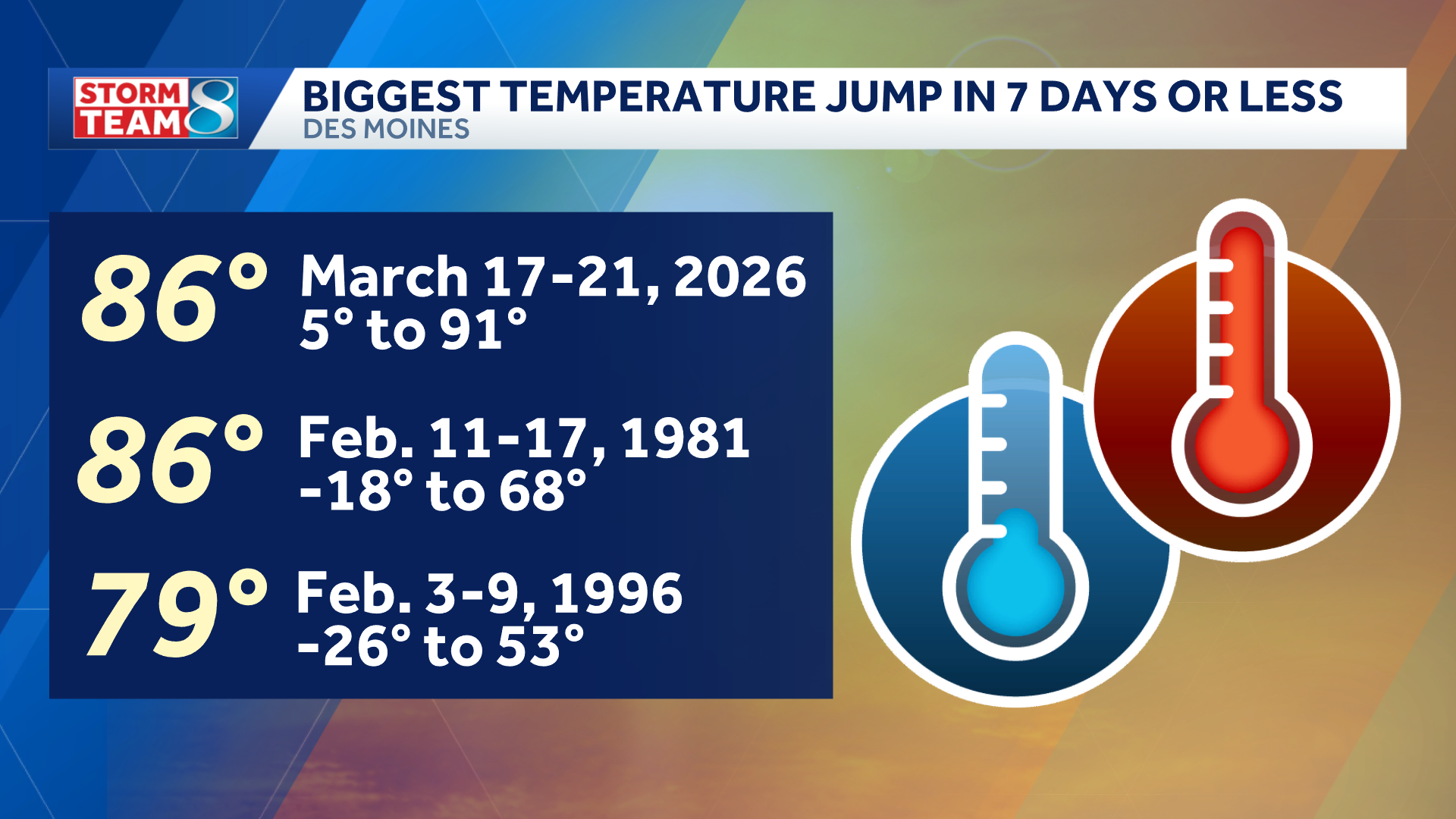
Iowa is no stranger to dramatic temperature swings, often experiencing what is known as “weather whiplash.” However, the temperature jump from Tuesday morning to Saturday afternoon was exceptional. In Des Moines, temperatures rose from a low of 5 degrees to a high of 91 degrees within five days. That’s an increase of 86 degrees, which is the largest such jump since 1928.
When looking at seven-day stretches, only February 1971 saw a similar temperature rise. This rapid warming highlights the extreme nature of the weather event and the challenges it poses for residents and local infrastructure.
Additional Coverage
For those interested in learning more about the weather patterns in Iowa, there are numerous resources available. Local news outlets provide updates on temperature trends, historical data, and how these changes may affect future weather conditions.
In addition to the weather, other top stories from KCCI include updates on college sports, including the Cyclones’ NCAA Tournament games and the Hawkeyes’ performances. These stories reflect the diverse range of topics covered by local news organizations.
Residents can stay informed through newsletters and online platforms that offer the latest information on weather, politics, and community events. These resources help keep the public engaged and informed about what’s happening in their area.
As the weather continues to evolve, it remains essential for people to stay aware of the potential impacts of extreme temperatures. Whether it’s preparing for sudden heat waves or understanding long-term climate trends, staying informed is key to adapting to changing conditions.
With the record-breaking temperatures observed over the weekend, it’s clear that the weather in Iowa is becoming increasingly unpredictable. Understanding these shifts and their implications is crucial for both individuals and communities.
As the season progresses, further analysis of temperature trends and their effects on the environment will be important. Scientists and meteorologists continue to monitor these changes, providing valuable insights into the future of weather patterns in the region.

- Mahasiswa PBSI Bantu Siswa SMA Widya Bakti Ruteng Tampilkan Puisi Kreatif - April 2, 2026
- 7 Dampak Gula terhadap Kesehatan Mental - April 1, 2026
- Iowa’s Scorching Saturday: A Heatwave Like No Other - April 1, 2026


Leave a Reply