Woman from Large Filipino Family Believed Diet Caused Health Issues—They Didn’t (Exclusive)
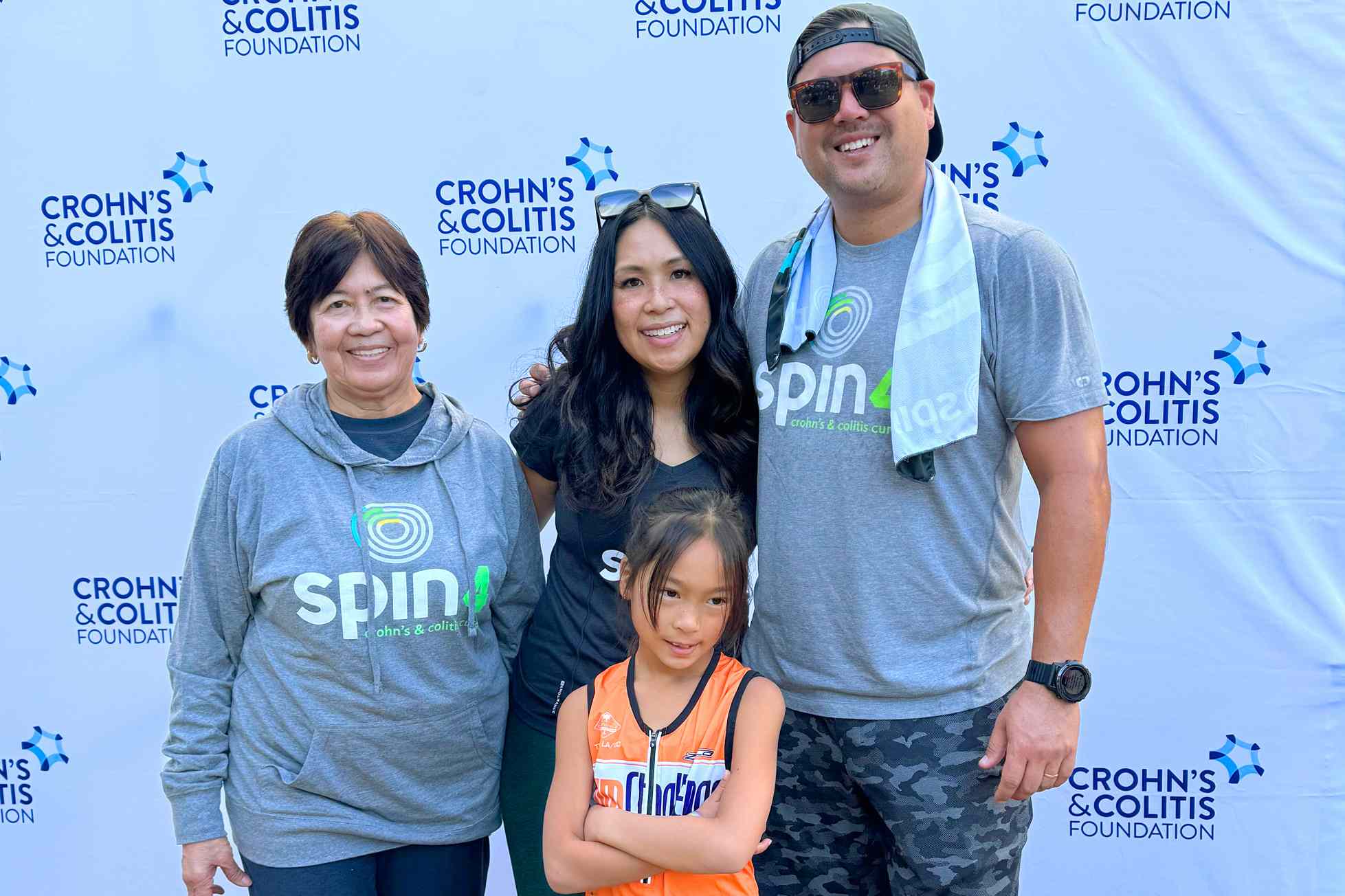
A Journey of Resilience and Awareness
Jamie Nangpi Harris, a 42-year-old STEAM teacher, once believed she was living her best life. In her mid-20s in 2010, she described herself as “on top of the world.” She was a world traveler, had just entered grad school, and had met the man of her dreams. However, this sense of fulfillment was soon challenged when her health began to decline.
Growing up in a big Filipino American family, where food is often the center of all gatherings, Harris initially thought her health issues were due to her diet. But what she experienced was far more complex. During a trip to Europe, she noticed blood in her stool. At first, she dismissed it as something related to the food or the stress of traveling. However, upon returning home, the symptoms worsened, leading to sharp abdominal pains that made it difficult for her to function during the school day.
“I would go along the school day holding my left abdominal side, hoping the pain would go away,” she recalls. “At some point, it became painful to eat, because I started developing ulcers in my mouth.”
Over time, Harris experienced drastic weight loss and found herself unable to enjoy the activities she once loved. Her social life, once vibrant, became stressful and anxiety-driven. “My life of going out with friends and attending happy hours turned into anxiety-driven nights, with researching what was on the menu and if there would be a bathroom nearby,” she says.
After visiting her primary care doctor, she was advised to drink more water and add more fiber to her diet. However, her symptoms persisted. It wasn’t until a coworker pointed out that she didn’t look “right” or “healthy” that she decided to go to the emergency room. There, she was referred to a gastroenterologist, who performed a colonoscopy that revealed ulcers and inflammation in her digestive tract. The diagnosis was Crohn’s disease, a chronic, autoimmune-driven inflammatory bowel disease (IBD) that affects the digestive tract.
“This was my wake-up call, my ‘aha’ moment, when I knew it was no longer in my head and that I had a real diagnosis,” Harris says. “The pain I was experiencing was indeed real, and there was data to prove it.”
The initial shock of the diagnosis brought a wave of emotions. “The first was the fear of the unknown — what is IBD? How did I get it? What’s an autoimmune disease? Why me?” she recalls. “I felt so alone and isolated when I was first diagnosed. I’ve never heard of Crohn’s disease before, and didn’t know anyone who had the disease.”
Despite the challenges, Harris refused to let the disease define her. She began to take control of her health by connecting with others who shared similar experiences. “I made my diagnosis into a positive one, and I met so many patients, caretakers and health care providers who cared about this disease as deeply as I did,” she says.
Harris eventually joined the Crohn’s and Colitis Foundation, a nonprofit organization dedicated to finding a cure for digestive diseases and supporting those affected. “Now that I am on the board of directors of the foundation, I want to make sure each patient is heard and knows they are not alone in this journey,” she explains.
However, navigating life with Crohn’s disease has not been easy. Growing up in a family where food plays a central role in gatherings, Harris often finds herself preparing her own meals or eating beforehand to avoid trigger foods. “Prepping my food or eating before going out takes a lot of planning, and it can take time out of your day,” she says. “It is one more thing I need to think about on the long list of To-Dos I have in my head.”
Currently, Harris follows a Mediterranean diet and focuses on anti-inflammatory foods. “I manage my stress and try to live a healthy and balanced life by working out and eating [well], but I am not perfect,” she admits. “There are days I want to eat what I want to eat.”
After 16 years living with the disease, Harris continues to learn and adapt. “I am still learning from it, and it will always have its ups and downs,” she says. “Have a support system and advocate for yourself. You are the only one who knows your body best.”





Leave a Reply