More Trees Could Cool Raleigh’s Heat Islands, Experts Say
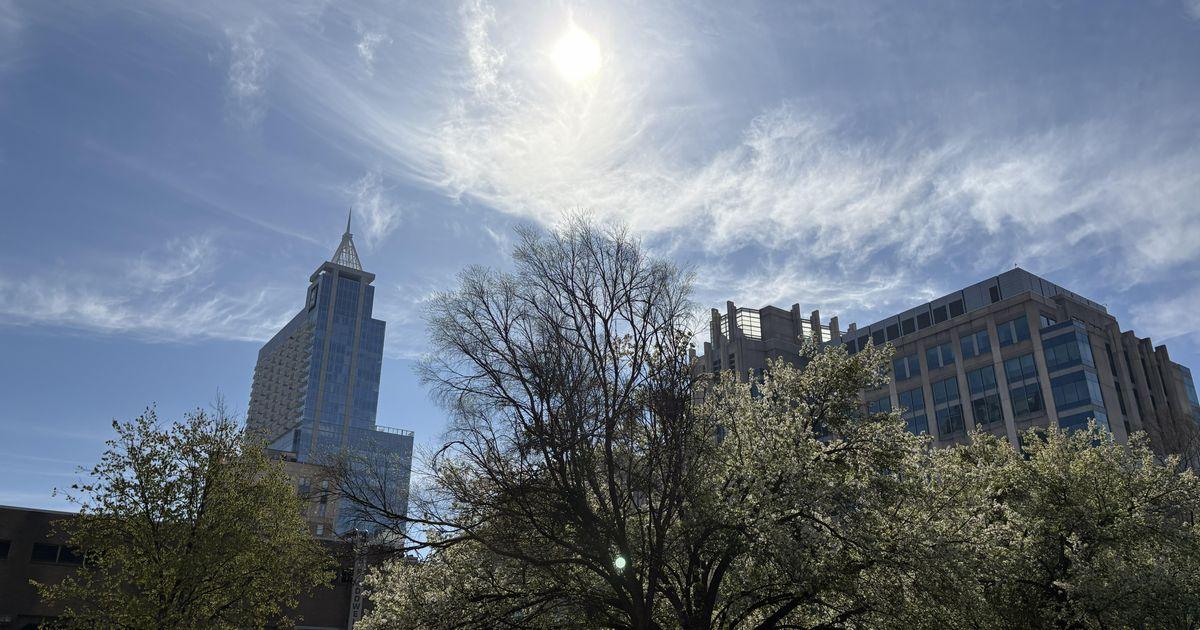
The Uneven Heat of Spring in Raleigh
As spring settles in, warmer temperatures are making their return. Flowers are blooming, the sun is shining, and for many Raleigh residents, the warmth feels like the standard seasonal shift. However, not everyone is experiencing the same level of comfort. Across the city, some areas can feel significantly hotter than others, sometimes by surprising margins.
Residents like Mark Perez have noticed the difference. “Very, very hot,” he said. “I thought it was bad in Chicago, but this is yikes.” For some, the heat affects daily routines. Nick Ciraolo, another resident, explained how it influences his choices. “It determines exactly what I’m going to wear,” he said. “Even how much I pack in my backpack because if I carry too much, I start sweating a lot.”
The rising temperatures can feel more intense due to urban heat islands—areas with more pavement and fewer trees that trap heat and make them feel much hotter. Marinel Ulbaldo, an environmentalist with the North Carolina League of Conservation Voters, highlighted this issue. “There’s a lot of urban heat areas in the city, especially in downtown,” she said. Downtown Raleigh is considered one of the city’s urban heat islands, yet its green spaces hold a lot of power.
“I think a lot of people are underestimating the power of trees,” she said. At Nash Square, surrounded by verdant life, residents like Mark Perez find a break from the rising temperatures. “Right now, it’s not so bad,” Perez said. “This feels good.”
Green spaces like Nash Square act as natural cooling zones. “The trees are actually using the heat in the surrounding air,” said Ulbaldo. Trees provide shade and release moisture, helping bring temperatures down in warmer areas.
Efforts are underway to expand green spaces across Raleigh, especially in neighborhoods most affected by extreme heat. However, Ulbaldo emphasized that minimal effort won’t be enough. “We’re not just talking about one or two trees,” she said. “We’re talking about 40% tree coverage in areas experiencing urban heat.”
A 40% investment could significantly improve living conditions, especially during the hotter months ahead, Ulbaldo added. For now, some residents are looking towards the bright side. “It’s nice to have the variability,” Ciraolo said. “It lets me experience different temperatures.”
The Role of Green Spaces in Urban Cooling
Urban heat islands are a growing concern in cities like Raleigh. These areas, often characterized by high concentrations of concrete, asphalt, and other heat-absorbing materials, can be up to 22 degrees Fahrenheit hotter than surrounding rural areas. This temperature disparity can have serious implications for public health, especially during heatwaves when vulnerable populations are at risk.
Trees and other vegetation play a crucial role in mitigating these effects. They provide shade, reduce surface temperatures, and release moisture into the air through a process called evapotranspiration. In addition to cooling the environment, green spaces also improve air quality, support biodiversity, and enhance the overall well-being of residents.
Despite the benefits, many urban areas struggle to maintain sufficient green cover. In Raleigh, efforts to increase tree canopy coverage are gaining momentum. Local initiatives aim to plant more trees in heat-prone neighborhoods, creating cooler microclimates and improving the quality of life for residents.
However, achieving the recommended 40% tree coverage requires significant planning and investment. It involves not only planting new trees but also preserving existing ones and ensuring they have the space and resources needed to thrive. Community involvement is also key, as residents can play a role in maintaining and expanding green spaces.
A Call for Action
Marinel Ulbaldo emphasizes the importance of long-term strategies to combat urban heat. “We need to think about the future,” she said. “Investing in green infrastructure now will pay off in the years to come.”
Residents like Mark Perez and Nick Ciraolo offer a glimpse into the daily challenges of living in a city with uneven heat distribution. Their experiences highlight the need for targeted interventions that address the specific needs of different neighborhoods.
As Raleigh continues to grow, balancing development with sustainability will be essential. By prioritizing green spaces and investing in urban forestry, the city can create a more equitable and comfortable environment for all its residents.
- Tertawa sekali sehari dapat mengurangi risiko depresi, menurut penelitian - April 1, 2026
- More Trees Could Cool Raleigh’s Heat Islands, Experts Say - March 31, 2026
- Lowongan Kerja Jambi 19 Maret 2026: Honda dan Hyundai Butuh Karyawan - March 31, 2026


Leave a Reply