Is Your British Honey Laced With Prescription Medicines, Including Cancer Drugs?
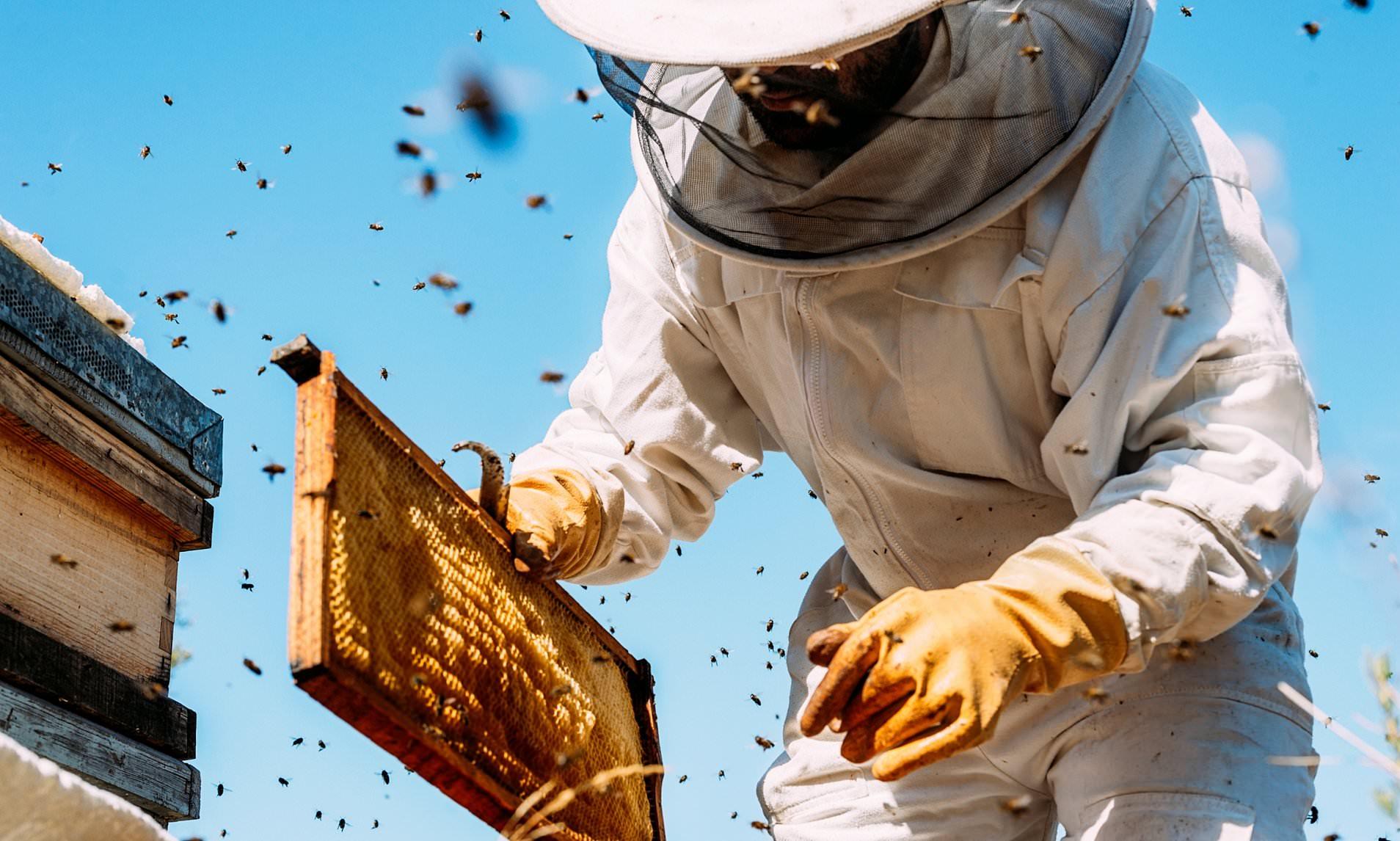
The Hidden Contaminants in British Honey
A growing concern has emerged regarding the potential contamination of British honey with prescription medicines. Recent tests on raw honey samples from hives have revealed the presence of potent drugs used to treat various conditions, including cancer, fungal infections, and depression, as well as common painkillers like ibuprofen.
Scientists believe that these medications might be entering the honey through treated sewage that is sprayed on nearby crops. When individuals take a medication, some of it is excreted through waste and eventually makes its way into the sewage system. This treated sewage, known as biosolids, is often used as fertilizer on agricultural land.
In the UK, it is estimated that farmers use over three million tonnes of this sewage annually. The concern arises because bees may collect pollen from plants that have been exposed to this contaminated material, which then ends up in their hives. This could mean that the honey produced by these bees is being tainted before it reaches consumers in high-street shops.
Researchers from the University of Leeds and the UK Centre for Ecology and Hydrology conducted a study by taking honey samples from 19 different hives across various agricultural locations. Their findings were alarming: more than 100 ‘suspect chemicals’ were detected in the samples. 
Medicines accounted for nearly two-thirds of the contamination found. Additionally, the samples showed signs of industrial chemicals and plastics that are present in sewage sludge. These findings have raised concerns about the potential risks to both consumers and honeybees.
The researchers urged for urgent investigations into the possible health impacts of these contaminants. In a report published in the Journal of Agricultural and Food Chemistry, they stated, “These findings warrant further investigation.” They also emphasized that the potential risk to consumers remains largely unexplored.
Although Britain imports approximately 90% of its honey, there are an estimated 250,000 beehives within the country that contribute to the supply chain. Regulations require that all honey must be free of any organic or inorganic matter that is not naturally part of its composition. However, there are currently no routine checks for ‘contaminants of emerging concern’ such as powerful medicines or industrial chemicals.
It is still unclear whether honey from other countries faces similar contamination issues. In response to these findings, campaign groups have called for a ban on the use of sewage sludge in British farming.
Environment charity Fidra highlighted the issue, stating, “Many drugs end up in the solid sewage sludge applied to agricultural land.” They pointed out that outdated UK regulations only focus on certain metals, leaving pharmaceutical contamination completely unmonitored. “This means our soils have become inadvertent repositories for everything from antibiotics to hormonal medications,” they added.
The situation raises important questions about the safety of the honey we consume and the need for updated regulations to address these emerging contaminants. As research continues, it is crucial for consumers and policymakers alike to remain vigilant and proactive in ensuring the safety of our food supply.




Leave a Reply