Boulder Surpasses Annual Red Flag Warnings in Three Months
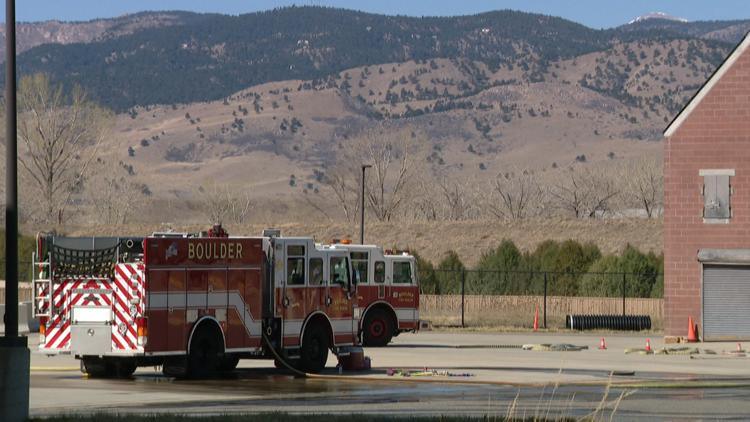
The number of Red Flag warnings issued in parts of Colorado this year has already exceeded what some fire departments typically experience in an entire season, creating significant pressure on crews well before the peak wildfire months.
On Saturday, the National Weather Service issued a Red Flag Warning for Boulder County as temperatures approached 90 degrees. In Boulder County, firefighters have responded to 11 Red Flag warnings in 2026. This number is already higher than the usual annual total of eight to 10, with several days still remaining in March.
“It’s definitely not anything we’ve seen before,” said Brian Oliver, the division chief of wildland fire for Boulder Fire Rescue. “It’s been ridiculously dry, super low snowpack… we haven’t received the usual moisture we get in the mountains and foothills over the winter and spring months.”
Red Flag warnings are issued when a combination of heat, wind, and low humidity creates conditions where fires can ignite easily and spread quickly. This year, those conditions have arrived earlier — and more frequently — than normal.
“This high-pressure system has been completely unprecedented, as we’ve never reached 90 degrees in March before in Colorado. So it’s, it’s way out of the norm,” said Oliver.
Each warning triggers a significant operational shift inside fire departments. On Red Flag days, Boulder Fire Rescue increases staffing levels, calling in additional personnel and deploying more specialized wildland equipment for the duration of the warning.
Oliver said a standard shift of roughly 25 firefighters can expand by about 15 additional personnel. Wildland staff, who typically work staggered schedules, shift into longer rotations during high-risk periods.
The repeated cycle of warnings has led to mounting fatigue across the department.
“I couldn’t even tell you how much overtime we’ve paid out already,” Oliver said. “Everybody in this building is exhausted… That fatigue continues to just build and build and build.”
Vegetation across the region — referred to as “fuels” by fire officials — is already unusually dry for this time of year.
“Our fuels are just… dangerously dry,” Oliver said. “Any spark is going to create a fire that’s going to burn aggressively and be very resistant to control.”
That reality has also weighed on firefighters mentally.
“Anxious,” Oliver said, describing how the conditions feel. “We know what the fire behavior is going to look like if we do get a start and it’s going to be hard to control.”
Despite the early surge in activity, there is little indication that conditions will ease in the near future. Fire officials monitor fuel moisture, weather patterns and long-range forecasts, but Oliver said the outlook offers limited relief.
“There really is no significant break in the next 10 days… there’s no measurable precip on the horizon,” he said.
Until meaningful precipitation arrives, departments expect to remain in a heightened state of readiness.
“Until we get measurable precipitation, the red flags and the high fire danger and the elevated response posture is going to continue,” Oliver said.
For now, crews continue to respond, even as the pace shows no signs of slowing.
“Take it one day at a time,” Oliver said. “We just keep marching. It’s what the community pays us to do and what they expect.”
Fire officials say that, under current conditions, even small human-caused sparks — from cigarettes, equipment or dragging trailer chains — can ignite fast-moving fires. With dry fuels and repeated Red Flag warnings already in place, they warn that vigilance from the public remains critical as the season begins.


Leave a Reply