What happens after the bombs drop: Scientists unveil the horrifying global aftermath of nuclear war
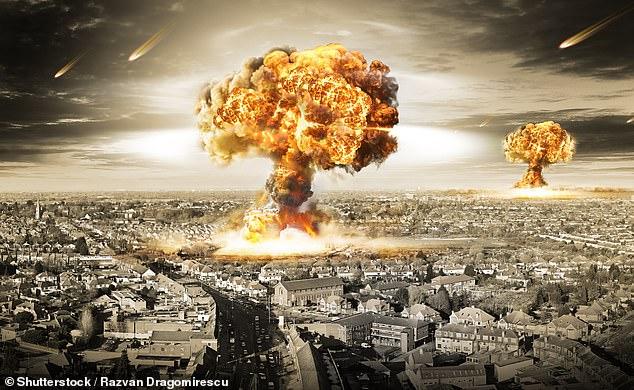
The Devastating Aftermath of Nuclear War
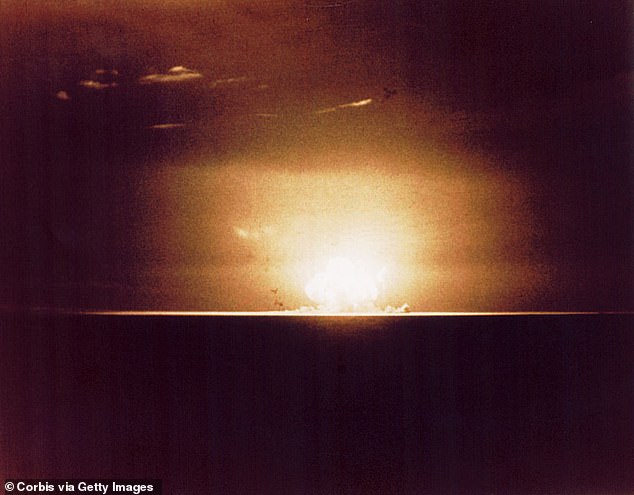
As the threat of nuclear war grows, the consequences of a potential conflict could be far more devastating than the initial explosions. While the immediate destruction of major U.S. cities like New York, Washington, Chicago, and Los Angeles would result in millions of casualties, the long-term effects on the planet and its inhabitants are equally alarming.
Scientific research has shown that even a limited nuclear exchange could have catastrophic effects on human health, the environment, and global ecosystems. The aftermath of such a war would include widespread radiation exposure, the collapse of medical systems, and the spread of deadly diseases. Additionally, the ozone layer could be severely damaged, leading to increased ultraviolet radiation and further endangering life on Earth.
Diseases That Could Ravage the Planet
Following a nuclear war, the spread of infectious diseases would become a significant threat. A 1981 report from the New England Journal of Medicine highlighted that diseases such as salmonella, dysentery, typhoid, malaria, dengue fever, and encephalitis could rapidly spread among survivors. The lack of clean water, combined with an increase in insect populations feeding on unburied corpses, would create ideal conditions for disease transmission.
Medical equipment that relies on electricity would also become useless without power sources, making it difficult to treat those affected. A 1986 report titled The Medical Implications of Nuclear War warned that many familiar barriers to disease spread would be compromised in the post-attack environment. This could lead to the emergence of new diseases, including hepatitis and E. coli, which could cause severe illness and death.
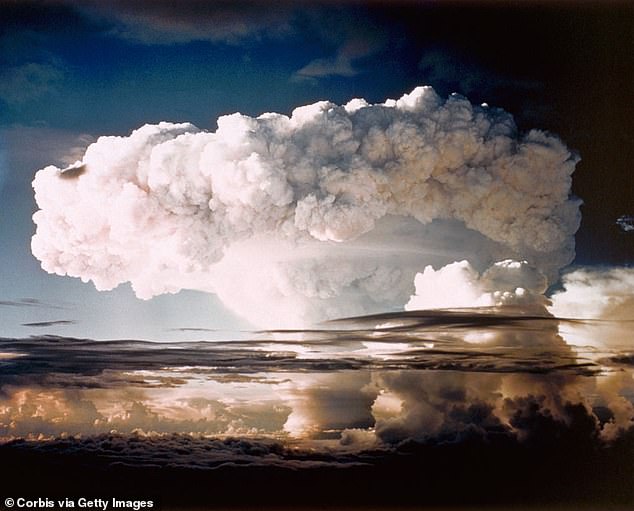
The ‘Ultraviolet Spring’ and Ozone Depletion
One of the most concerning effects of a nuclear war is the potential damage to the ozone layer. Nuclear explosions produce nitrogen oxides, which can destroy ozone molecules in the stratosphere. A 1975 study by the National Academy of Sciences suggested that a full-scale nuclear war could reduce the ozone layer by up to 70 percent. This would expose survivors to dangerous levels of ultraviolet radiation, increasing the risk of skin cancer and other health issues.
Even a smaller nuclear conflict, such as between India and Pakistan, could have significant environmental consequences. Recent research indicates that such a war could destroy up to 40 percent of the ozone layer. This would not only affect human health but also disrupt agriculture and wildlife, leading to long-term ecological damage.
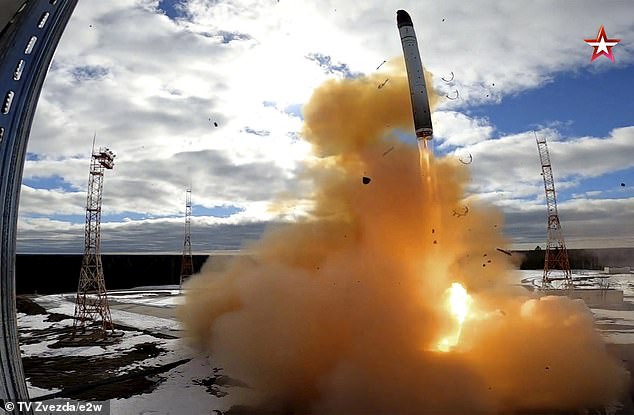
The ‘Black Rain’ and Radioactive Fallout
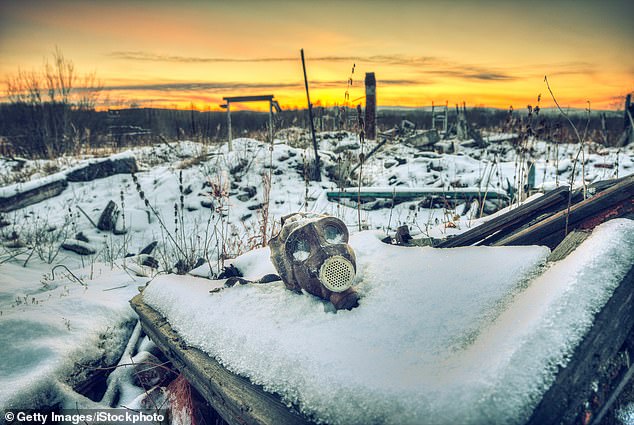
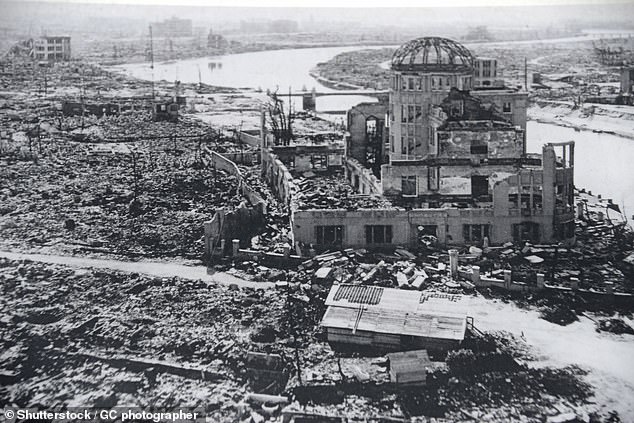
The aftermath of a nuclear explosion would also bring about ‘black rain,’ a radioactive substance that fell on Hiroshima after the atomic bomb was dropped in World War II. This rain contained ash and radioactive particles that caused severe radiation burns and long-term health problems. The unpredictable nature of fallout means that lethal amounts of radiation could spread hundreds of miles from the blast site.
Fallout consists of radioactive dust and particles that mix with dirt and debris, contaminating everything they touch. A study published in The Medical Implications of Nuclear War estimated that up to seven percent of the U.S. could be covered in enough fallout to deliver a fatal dose of radiation within two days.
Global Starvation and Environmental Collapse
A full-scale nuclear war could lead to the deaths of up to five billion people due to starvation. Soot from burning cities would rise into the atmosphere, creating a massive cloud that would block sunlight and cool the planet. This would cause crops to wither and make it impossible to grow food for at least a year. The resulting food shortage would have devastating consequences for the global population.
Firestorms and the Dangers of Shelters
Despite the belief that underground shelters offer the best protection, scientists have warned that even those inside could be at risk. Firestorms created by the explosions could generate extreme heat and consume oxygen, leading to suffocation or death by fire. Research from the Journal of Public Health Policy suggests that temperatures in shelters could rise to fatal levels during these events.
In conclusion, the consequences of a nuclear war would extend far beyond the initial blasts, causing long-term environmental damage, health crises, and widespread suffering. Understanding these risks is crucial in efforts to prevent such a catastrophe from ever occurring.

- Tren Pendidikan Anak Usia Dini Meningkat, Kemitraan Jadi Kunci Ekspansi Lembaga Edukasi - March 27, 2026
- Pelangi di Mars Tayang, Tiket Diskon di -TIX, TIX ID, CGV, dan Cinepolis - March 27, 2026
- What happens after the bombs drop: Scientists unveil the horrifying global aftermath of nuclear war - March 27, 2026



Leave a Reply