Tennessee Lawmakers Debate Healthcare Reform
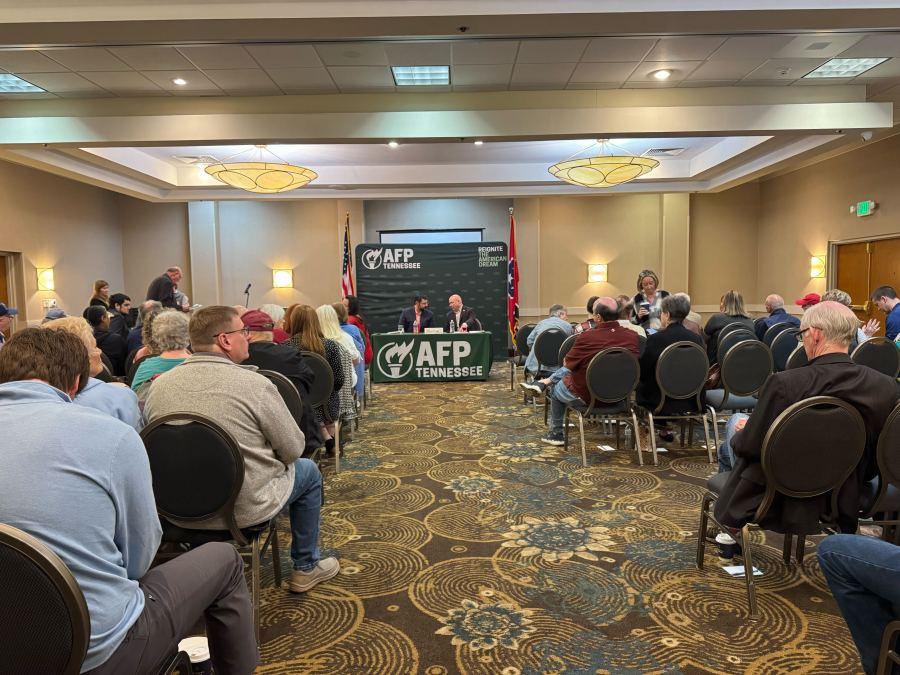
Tennessee Legislators Engage with Community on Healthcare Reform
In Johnson City, Tennessee, a group of state legislators met with local residents to discuss healthcare reform policies that are currently being considered in the General Assembly. The event provided an opportunity for lawmakers to engage directly with the community and outline their plans for improving healthcare access across the state.
Several prominent lawmakers were present at the meeting, including Tennessee Senator Rusty Crowe (R), Senator Bobby Harshbarger (R), and District 5 State Representative David Hawk (R). These officials shared insights into various legislative proposals aimed at enhancing healthcare services, particularly in underserved areas.
Key Legislation Under Discussion
One of the primary focuses of the discussion was House Bill 1952 and House Bill 2021, which seek to expand the scope of practice for certain healthcare providers such as optometrists and podiatrists. By allowing these professionals more autonomy in their roles, the bills aim to improve patient access to care and reduce wait times for appointments.
Another significant measure under consideration is House Bill 658, which specifically targets the challenge of accessing healthcare in rural communities. This bill aims to address the disparities in healthcare availability by encouraging investment in rural health infrastructure.
Certificate of Need Reforms
The centerpiece of the conversation was House Bill 819, which focuses on eliminating certificate of need (CON) laws. These regulations require healthcare facilities to demonstrate a need for new services or expansions before they can proceed. Lawmakers argue that removing these requirements could lead to increased competition and better options for patients, especially in rural areas.
Representative David Hawk emphasized the importance of this reform, stating, “Northeast Tennessee is yearning for competition in health care. Specifically hospital care and hopefully phasing out CON and at least gives the perception to a potential hospital group of hey, we want to come in and see if we can make a go in northeast Tennessee.”
Senator Bobby Harshbarger added, “Over time, we’ve repealed certain aspects of certificate of need but acute care was always the one that was left out, so this is us taking that last step to see a win in acute care.”
Support from Local Leaders
Senator Rusty Crowe also attended the meeting and highlighted the significance of bringing more healthcare options to rural areas. He mentioned that President Trump has been advocating for healthcare proposals that would benefit rural communities. “They’ve been working for several years to try to bring more competition and health care to our state and this week we did pass the certificate of need bill showing a bill that would afford more competition in our area,” Crowe said.
He also expressed his support for the legislation, noting that he voted for the bill and found one of the amendments particularly helpful.
Progress and Future Steps
Lawmakers reported that the certificate of need reform bill is gaining momentum in both chambers of the legislature. Senator Harshbarger shared that the bill has already passed through the full health committee and is expected to move to the Senate floor soon. “We’ll be voting on that either potentially next week or the week after and I believe they’re trying to end session mid April to May,” he said.
Representative Hawk provided a timeline for the House version of the bill, stating, “We have a bill that has passed the Senate, which would repeal the CON in June 30th of the year 2030. My hope is that the House version, at least for Northeast Tennessee, will repeal the CON in June 30th of 2028.”
As the legislative session continues, the focus remains on advancing healthcare reforms that will benefit all Tennessee residents, particularly those in rural areas.

- Viva Apotek Luncurkan Gerai Terintegrasi di Jalan Tol India - March 26, 2026
- Dalam penemuan yang mengejutkan, para peneliti menemukan bahwa ngengat betina menghindari tanaman yang memancarkan suara menyedihkan untuk bertelur - March 26, 2026
- Tennessee Lawmakers Debate Healthcare Reform - March 26, 2026



Leave a Reply