Grilling in the Rain: Water Isn’t the Real Danger
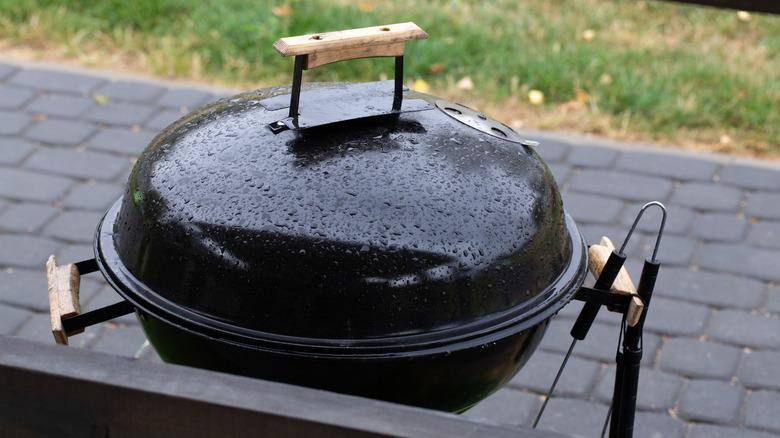
When it comes to outdoor cooking, few things are as frustrating as dealing with unpredictable weather. While many people dread the idea of rain ruining their barbecue plans, the real challenge often lies in the wind. Wind can be a significant obstacle when grilling, affecting everything from heat retention to the overall safety of your setup.
Wind can quickly steal the heat from your grill, making it difficult to maintain a consistent temperature. It can also push rain sideways onto your food, snuff out flames, and even cause ash to blow into your face. This is why, when bad weather hits, it’s crucial to take steps to protect your grill and ensure a successful cookout.
Creating a Wind Barrier
One effective strategy is to set up a wind barrier around your grill. You don’t need anything elaborate — just a sturdy material like plywood or a tarp. Place the barrier a few feet away from your grill, but avoid creating a complete wall. Instead, aim for a wind deflector that allows airflow while redirecting the wind around your cooking area. This way, your fire and food remain in a calmer pocket, and you can compensate for any heat loss by increasing the grill’s temperature.
These tips work well for occasional rainy days, but if you live in an area with frequent rainfall, you may need more permanent solutions.
Securing Your Grill
In severe weather, your grill can shift or tip, especially if it has wheels. To prevent this, you can use makeshift wheel chocks made from cinder blocks or heavy stones. Simply wedge them tightly against the wheels to keep your grill anchored in place.
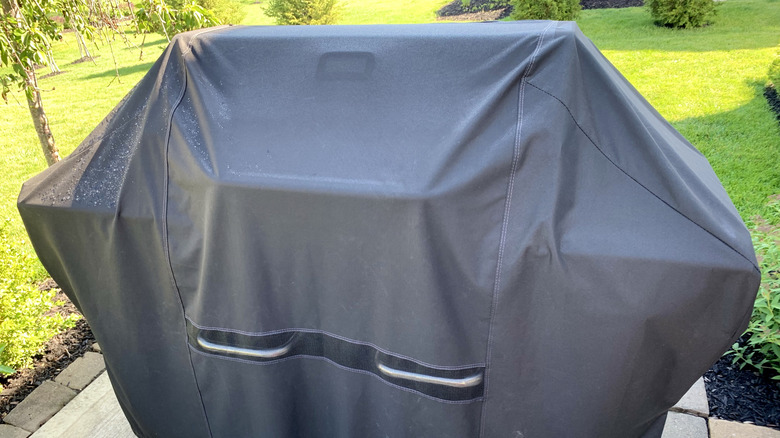
For long-term protection, consider investing in a high-quality grill cover or jacket. These covers not only protect your grill from rust and moisture but also help maintain heat during cold winds. They’re ideal for cold weather grilling and can significantly extend the life of your equipment.
If you’re looking for something even more robust, a grill canopy or gazebo offers comprehensive protection from multiple angles. These structures are particularly useful in regions with high rainfall, such as Louisiana or Mississippi. For drier climates or less frequent use, a large patio umbrella can provide sufficient coverage without the need for a full canopy.
Choosing the Right Protection
When selecting the right protection for your grill, consider your specific needs and climate. A 9-inch patio umbrella might be sufficient for occasional use, while a larger structure like an 8×5 Grill Gazebo could be a smart investment if you frequently host backyard gatherings. Whatever option you choose, the right protective gear can make all the difference in ensuring your grill remains functional and safe, no matter the weather.

Leave a Reply