The secret benefits of switching to fiber internet
The Rise of Fiber Optic Internet
Since the internet was first introduced to the public, there have been numerous means of connecting to the network, ranging from hardline cable connections to 5G and satellite signals. All of these connection formats have their positives and negatives, but one format in particular may bring a little extra to the table: fiber optic internet. The idea of sending internet via physical cables may sound similar to regular cable internet, but there are certain perks only fiber internet can provide, such as a generally more-reliable service with less latency and reduced bottlenecking in crowded service areas.
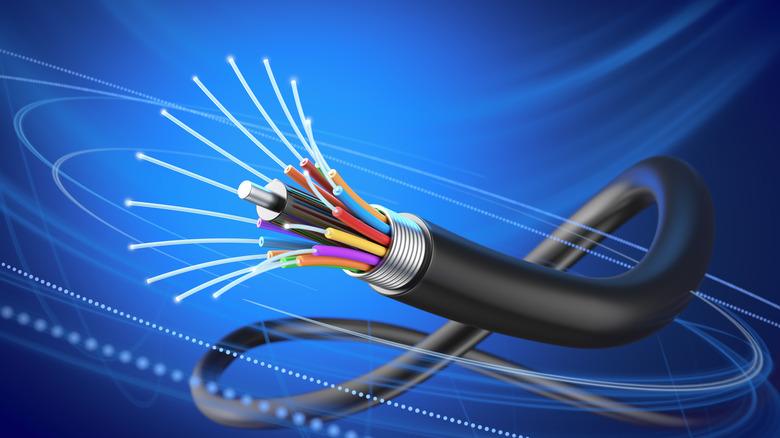
Rather than the copper coaxial connections used by traditional cable, fiber internet sends its signals through encoded light via buried plastic or glass cables, resulting in connections that are faster and more reliable. That speed is plenty of incentive for upgrading to fiber in itself, but along with that, fiber brings a much more consistent performance, and at all hours of the day to boot. There is a reason fiber providers rank highest in terms of most-reliable internet, after all.
More Reliability, Less Latency
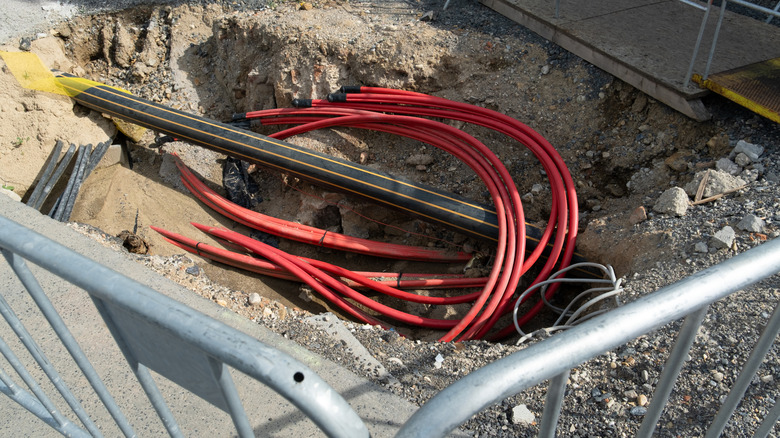
One of the main drawbacks of traditional cable internet is that the cables in question, being made primarily of copper, are highly vulnerable to the elements. Severe weather phenomena like flooding rain, thunderstorms, or just a series of particularly hot days can damage and erode the copper, leading to more frequent failures and costly service appointments. By contrast, fiber optic cables are substantially more resilient against natural phenomena and sudden damage. The plastic and glass composition of these cables are better at standing up to the natural rigors of weather and temperature, which means less frequent damage, fewer service appointments, and more reliability in general.
Even putting aside concerns of wear and corrosion, copper coaxial cables simply can’t beat fiber optic cables in terms of connection latency. Traditional cables send signals in the form of electrical pulses carrying binary code. The speed of electricity is certainly nothing to scoff at, but when it comes to data transfer, fiber optic cables are far superior. By sending its data in the form of light pulses, fiber cables ensure the least possible connection latency, getting your data uploaded and downloaded exponentially quicker.
No Bottlenecking in Crowded Neighborhoods
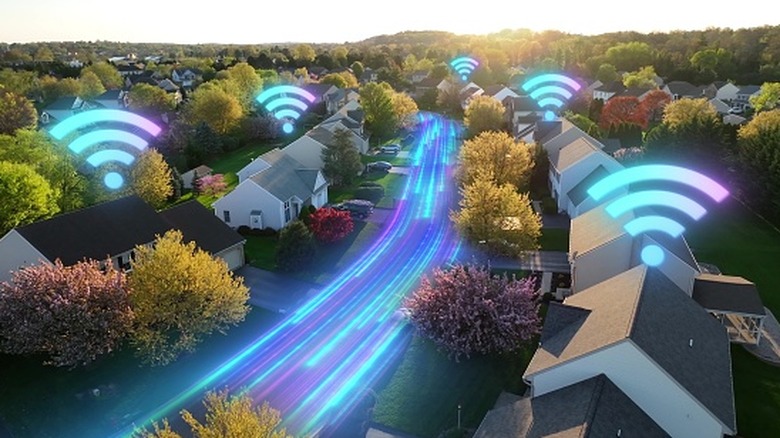
Have you ever noticed that your internet seems to become noticeably slower in the evening? That’s no coincidence since it’s when everyone in your neighborhood is coming home from work and numerous people logging onto the same network, sucking up bandwidth and throttling down speeds. It’s bad enough when every member of your family is logged on at the same time, but compound that with everybody in your neighborhood and it’s no wonder internet speeds slow down around dinnertime.
This is another area where fiber optic internet really shines. Thanks to their naturally higher speeds, fiber cables are better insulated against high-traffic internet usage. You can have a multitude of devices connecting throughout your home via Wi-Fi or ethernet cables, and your internet speed will remain as perky as ever. The same goes for extensive usage throughout your neighborhood or region; no matter how many people are logging on around you with different devices, you’ll get those same powerful speeds day or night.
Why Fiber Optic is the Future of Internet
Fiber optic internet offers a range of benefits that make it an attractive option for anyone looking to upgrade their internet service. From increased reliability and reduced latency to the ability to handle high-traffic situations without compromising speed, fiber has proven itself as a superior choice over traditional cable internet.
For those who value consistent performance and fast data transfer, fiber optic technology provides a solution that meets modern demands. As more households and businesses adopt fiber, it’s clear that this technology is not just a trend, but a necessary evolution in how we connect to the digital world.
Whether you’re streaming high-definition content, working remotely, or simply browsing the web, fiber optic internet ensures that your experience remains smooth and uninterrupted. With its resilience to environmental factors and its ability to handle heavy usage, fiber is setting a new standard for what we expect from our internet connections.




Leave a Reply