The 7-7 Tire Rule: Why Drivers Should Care
Understanding the 7-7 Rule for Winter Tires
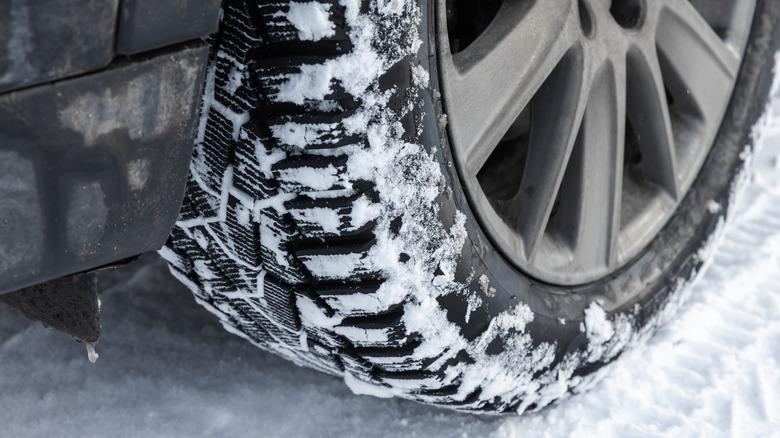
Most people in the United States are used to measurements in Fahrenheit, which might make the 7-7 rule of thumb unfamiliar. This guideline isn’t a law, but rather a winter advisory related to tire usage. The rule suggests that you should switch to winter tires when the daily temperature is at or below seven degrees Celsius (45 degrees Fahrenheit) for seven consecutive days. It also applies in reverse when transitioning back to summer or all-season tires.
For fans of Ron Swanson from “Parks and Recreation,” who prefer to do things their own way, ignoring this rule might mean facing slippery commutes. This isn’t just about convenience; it’s also a safety issue. Winter tires are made with special rubber compounds that stay flexible in cold temperatures, unlike summer or all-season tires, which tend to harden when the temperature drops below 45 degrees. Their deeper treads help maintain traction during harsh weather conditions.
If you decide to ignore the 7-7 rule when it has been warm for a while, you could end up with extended tire wear. Winter tires are softer and don’t perform well when temperatures are consistently above 45 degrees. In particular, they struggle in dry conditions when the temperature exceeds 60 degrees (15-16 degrees Celsius).
You can be very meticulous about tracking weather trends, scheduling tire changes, and so on. Alternatively, you can simply switch to winter tires when it gets really cold and road conditions start looking questionable.
The All-Season Tire Debate
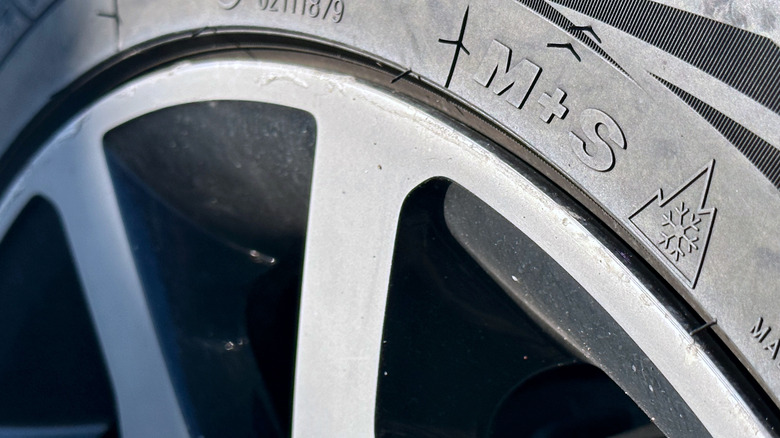
What if you choose to use your all-season tires during the winter? Although this isn’t advisable, it might lead to some dramatic failures, similar to what you see in FailArmy’s winter-special videos. All-season tires work reasonably well in mild conditions. They strike a balance, performing better than winter tires on dry roads and better than summer tires when there’s a lot of ice and snow. However, when conditions become extreme, all-season tires may not be the one-size-fits-all solution you expect.
In cold conditions, cars equipped with winter tires can stop much faster than those with all-seasons. For example, MotorTrend’s test of a Toyota RAV4 showed a 23-foot reduction in braking distance when using winter tires. Another option is all-weather tires, which combine some benefits of both winter and all-season tires. These are worth considering if you live in an area where winter weather is short and unpredictable.
The debate between studded and studless tires is also significant, unless your state has banned studded tires. Studded tires offer better performance on icy surfaces, while studless tires provide a quieter ride and decent winter performance.
Cost and Practical Considerations
Switching to winter tires can come with a cost, depending on the tire size, brand, and whether you have separate wheels. If you’re willing to invest, it’s a good idea. However, keep in mind that no amount of money or tires can protect you from wintery mishaps if you drive recklessly.
Whether you follow the 7-7 rule, opt for all-season tires, or explore other options, understanding the impact of tire choice on safety and performance is essential. Making informed decisions can significantly affect your driving experience during the colder months.

- Pengemudi menyebarkan kebahagiaan dengan Lubbock Adult Learning Center pada Hari Senyum Dunia - March 23, 2026
- The 7-7 Tire Rule: Why Drivers Should Care - March 23, 2026
- Dokter Koas di Jambi Terpidana Asusila Diberhentikan dari UISU - March 23, 2026



Leave a Reply