UO Research Reveals Frequent Fires in Oregon’s Wet Forests
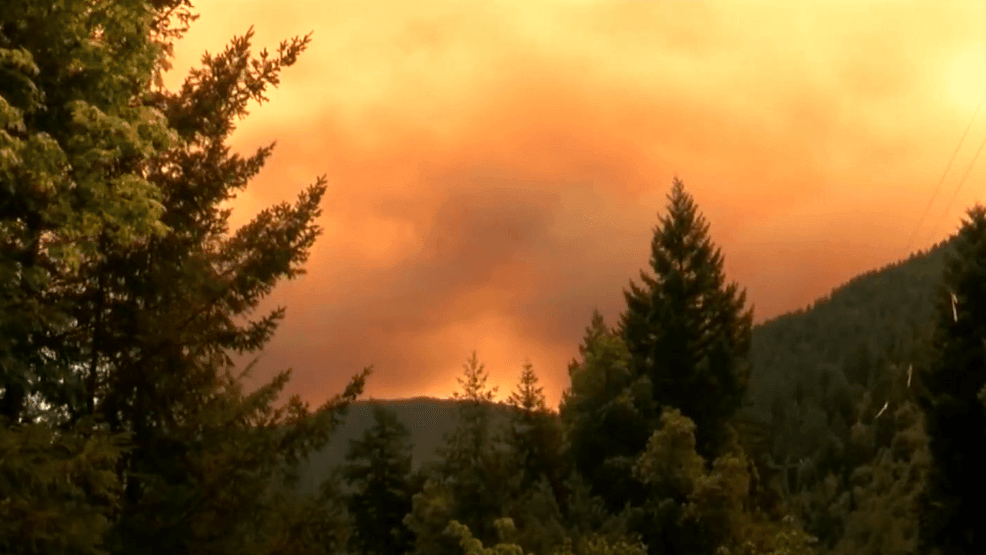
New Insights into Wildfire Patterns in Oregon
A recent study conducted by researchers at the University of Oregon is reshaping the understanding of wildfire activity in the state. The findings challenge a long-held belief that Oregon’s forests, particularly those in the Cascade Range, are less prone to fires due to their wet climate.
The research reveals that these forests experienced a much higher frequency of fires than previously assumed. This discovery comes from the first-ever use of tree ring scars to analyze fire activity dating back to the 1300s. By examining the natural records stored within tree rings, scientists have uncovered a history of fire that has been largely overlooked.
Understanding Fire Activity Through Tree Rings
The study focused on Douglas fir forests, which are a dominant species in the region. Researchers found that these forests were subjected to repeated low- and moderate-severity fires over many decades. These fires, though not as intense as some modern wildfires, played a crucial role in shaping the forest ecosystem.
The fires created gaps in the tree canopy, allowing sunlight to reach the forest floor and promoting the growth of new vegetation. This process contributed to the development of the diverse and resilient forests seen today. The findings suggest that fire has been a natural and necessary part of the forest’s ecological cycle for centuries.
Implications for Forest Management
While the study is still in its early stages, it has the potential to significantly impact forest management practices. Understanding historical fire patterns could help land managers develop more effective strategies for mitigating future wildfires. By learning from the past, they may be able to create healthier, more fire-resistant forests.
However, the study also raises new questions about how to balance fire suppression with the need for natural fire cycles. Researchers emphasize that there is still much to learn about the long-term effects of these historical fires and how they might influence current and future forest conditions.
Ongoing Research and Future Directions
The lead author of the study acknowledges that while the findings offer valuable insights, they also open up new areas of inquiry. For instance, how did these fires affect other species in the ecosystem? What role did human activity play in altering natural fire patterns?
Further research will be needed to explore these questions and to determine how best to apply the study’s findings in real-world scenarios. Scientists hope that this work will contribute to a broader understanding of fire ecology and help inform policies that support both environmental health and public safety.

- Pameran kesehatan perempuan mempromosikan pemberdayaan - March 27, 2026
- Pujikan Potensi Anak Sikka, Prof Yohanes Surya Dorong Pertumbuhan Sanis di NTT - March 27, 2026
- Apartment fire in Chehalis injures one, displaces 22 residents - March 27, 2026


Leave a Reply