They detonated hydrogen bombs here and the island never healed
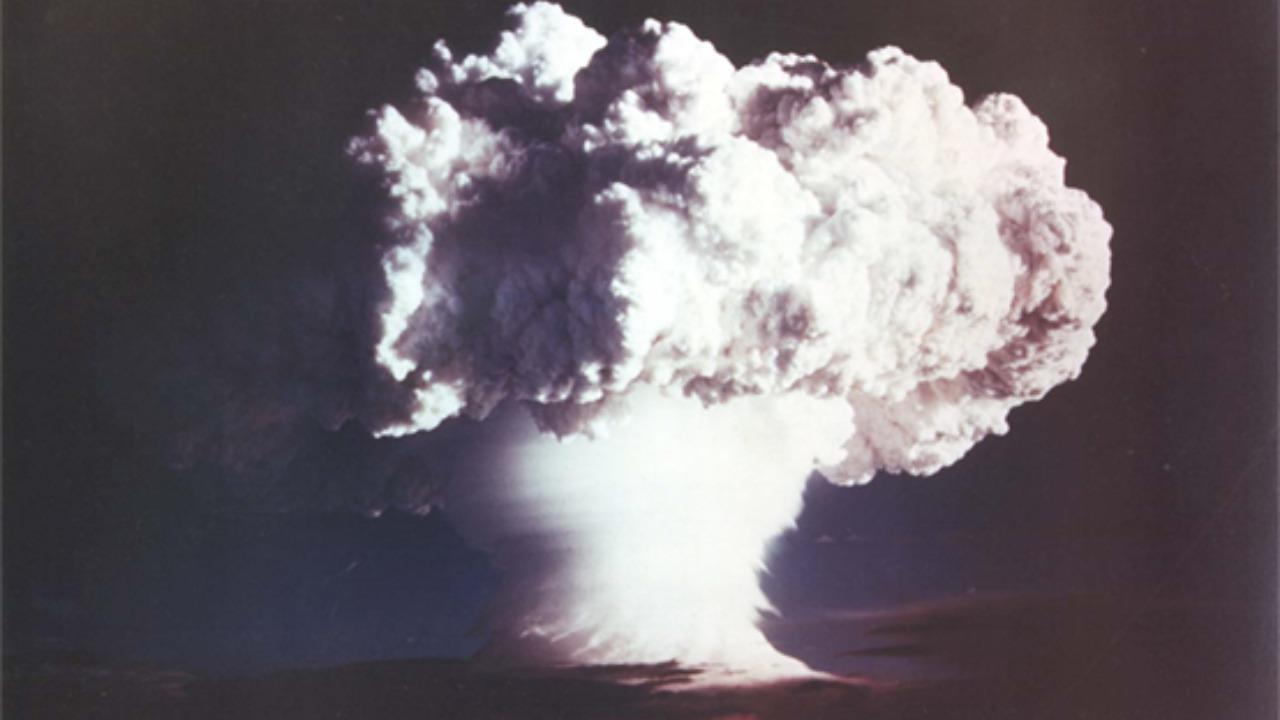
The Lasting Impact of Nuclear Testing on the Marshall Islands
Hydrogen bombs transformed remote coral atolls into testing grounds, and the consequences of these detonations have not faded with time. In the Marshall Islands and across the wider Pacific, the fallout continues to shape landscapes, human health, and political dynamics long after the last mushroom cloud disappeared from the sky. The story of these islands is not just one of past nuclear tests, but of a present defined by radioactive soil, fragile concrete structures, and communities still striving for recognition and justice.
The United States ended its nuclear testing program in the Marshall Islands in 1958, yet the effects of those years of detonations continue to influence the region’s future. From Bikini and Enewetak to Kiritimati, the legacy of hydrogen bombs is evident in contaminated lagoons, cancer statistics, and ongoing diplomatic discussions that persist today.
Bikini Atoll: A Place That Never Healed
The Marshall Islands became a focal point of the early nuclear age when the United States selected its remote atolls for a series of atmospheric tests. While official records state that testing in the Marshall Islands ended in 1958, the damage caused by these tests has not ceased. At Bikini Atoll alone, the U.S. conducted 23 nuclear tests between 1946 and 1958, displacing residents and leaving behind long-term health issues that continue to affect negotiations between Washington and island leaders.
Bikini Atoll is now widely regarded as one of the most contaminated places on Earth, a testament to how the Cold War’s technological advancements led to the permanent exile of its original inhabitants. The environmental contamination of Bikini Atoll is not an abstract concept—it is measurable in its soil, coconuts, and lagoon. Analysts describe how the nuclear tests left the atoll badly contaminated, and even today it remains one of the most radioactive places in the world, with lingering isotopes that make any attempt at safe resettlement difficult.
The U.S. has contributed over $300 million into various trust funds to compensate the islanders and their descendants, yet these sums have not erased the reality that the land itself remains hazardous. Documentation highlights how the U.S. has tried to address the damage, but the scars of the past remain deeply embedded.
Castle Bravo and the Physics of Destruction
One of the most infamous detonations was Castle Bravo, a hydrogen bomb test that redefined what “too powerful” meant in nuclear planning. This test was among the largest explosions ever carried out by the U.S., and its fallout cloud spread across nearby islands and even reached Japan. The blast did not only scar the test site; it turned entire islands into vapor, leaving behind craters that still gape in the reef.
Reports on Castle Bravo describe how the explosions vaporized entire islands, leaving large craters in their place, and how radioactive contamination made the land uninhabitable even where the physical geography survived. The destruction at Bikini Atoll also foreshadowed the destructive logic of later nuclear planning, including concepts like “bunker buster” weapons that would detonate just below the surface. Technical analyses explain that a shallow subsurface nuclear explosion produces a large crater, obliterating facilities within its radius and any just beyond it where strong stresses rupture the earth.
For the people of the Pacific, these were not theoretical diagrams but lived experiences, as shock waves shattered homes, coral, and any illusion that the tests were safely contained.
Life After Nuclear Testing: Exile, Illness, and Unfinished Justice
For displaced families, the end of testing marked the beginning of a long and uncertain search for home. Accounts of life after nuclear testing describe Bikini Atoll as once a peaceful and beautiful Pacific Island that became a nuclear test site, with fallout that reshaped both the island’s environment and its people. The process of repopulating Bikini Atoll has been slow, and many families continue to live on other islands in the Marshall Island chain, a reminder that the social fabric torn by evacuation has never been fully repaired.
The nuclear legacy in the Pacific serves as a stark reminder that geopolitical decisions made far away can leave scars that last generations. From cancers and birth defects to environmental degradation from tests conducted decades ago, the impact is undeniable. Survivors and their descendants across the Pacific now frame their demands not only as calls for compensation but as pushes for a global ban on nuclear weapons testing and use.
Enewetak Atoll and the Ticking Time Bomb of Runit Dome
If Bikini Atoll symbolizes open-air detonations, Enewetak Atoll represents the failed attempt to bury the problem. Forty-three atmospheric nuclear tests were conducted at Enewetak Atoll between 1948 and 1958, with a combined explosive yield equivalent to 31.7 million tons of high explosives. The debris stems from nuclear tests conducted in the Enewetak Atoll by the U.S. between 1946 and 1958, and from 1977 to 1980, workers scraped contaminated soil and equipment into a blast crater created by the Cactus test, turning Runit Island into a nuclear landfill.
During the late 1970s, the U.S. government built an aboveground, concrete-covered nuclear waste storage site, Runit Dome, about 350 miles from the main population centers, sealing radioactive material under a thin shell that was never designed for rising seas. On tiny Runit Island, part of Enewetak Atoll, sits “the dome,” a structure 377 feet in diameter and 115 meters across, made of concrete above a crater that was never lined. Critics argue that this design was more about speed than permanence.
Public health experts who studied radiological cleanup at Enewetak Atoll note that from 1948 to 1958, the U.S. conducted 43 nuclear tests on the Enewetak Proving Ground, and that veterans involved in the cleanup may face possible health risks if they had exposure to radiation. This concern extends to current residents living near the site.
More from Morning Overview
‘Fail to shut down’: Microsoft issues urgent Windows update alert
‘The road’s gone’: 1,000 trapped on Outer Banks as highway vanishes into sea
Older Teslas are wearing out in ways owners never saw coming
Apple issues a major warning to 800M iPhone users right now

- Pameran kesehatan perempuan mempromosikan pemberdayaan - March 27, 2026
- Pujikan Potensi Anak Sikka, Prof Yohanes Surya Dorong Pertumbuhan Sanis di NTT - March 27, 2026
- Apartment fire in Chehalis injures one, displaces 22 residents - March 27, 2026


Leave a Reply