Bread Tags Have a Secret Job You Won’t Expect
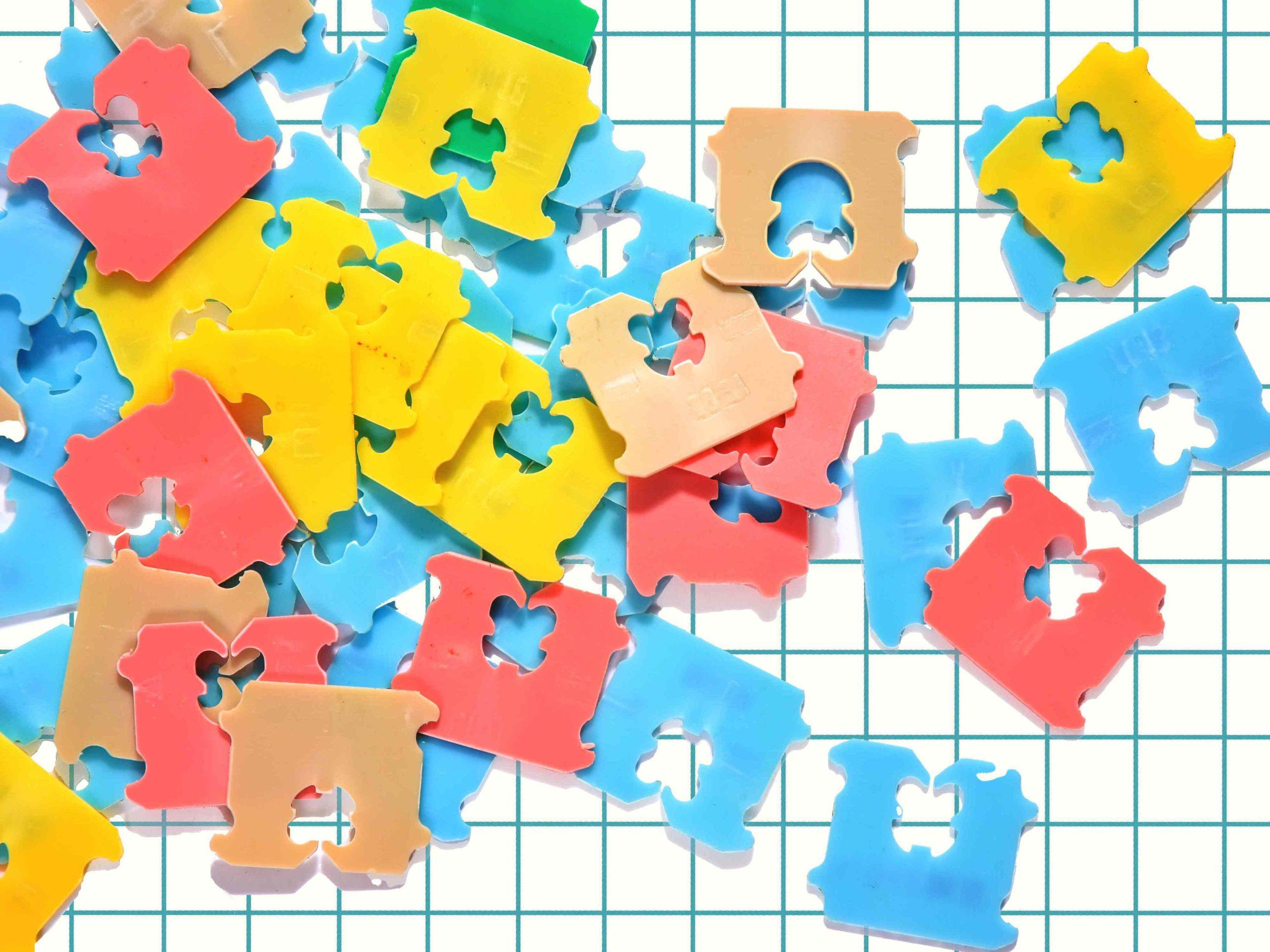
The Mystery of Bread Tags: More Than Just a Color Code
In a Nutshell
Bread tags, those small plastic pieces that secure the top of bread bags, are often thought to hold a secret code for freshness. However, their primary purpose is far more practical. While they help grocery staff manage inventory efficiently, they are not a reliable indicator of freshness for consumers.
The Clutter of Kitchen Essentials
One of my biggest sources of kitchen clutter is the plastic bread tag. Also known as bread buckles or bread clips, these small plastic squares with a hole and teeth tend to accumulate in the corners of my bread box and in a jar on the counter, mingling with rubber bands and twist ties. Originally invented by Kwik Lok to secure bags of Washington-grown apples, these reusable closures are a mid-20th-century innovation now found worldwide, used to seal bags of bread, citrus fruits, avocados, tortillas, rice cakes, and more.
There’s an idea that circulates on social media about a “secret code” behind the colors of bread tags—one you can use to ensure you’re buying the freshest loaf. I was intrigued by this idea and reached out to bakery and packaging industry experts to find out if it holds any truth.
Why Do Some Breads Get Tags?
Most grocery stores sell bread in two main ways. First, some breads are shaped, proofed, and par-baked off-site before being finished in-store. These are typically fresh-baked or artisan-style loaves, such as those from La Brea Bakery or store-branded sourdough boules, ciabatta, and baguettes.
The second type—what this story focuses on—involves breads that are fully baked at a central commercial bakery and then delivered to stores in stacks of plastic trays. These are usually soft, sandwich-style loaves, burger buns, and Hawaiian rolls from brands like Sara Lee, Oroweat, Dave’s Killer Bread, Nature’s Own, Franz, and many others. Their production is highly automated, and they arrive already sliced, bagged, and tagged, ready to be shelved and sold.
Lasse Borg, CEO of the packaging company Carccu, explains that high-speed automated lines in large bakeries favor plastic clips because they’re easy for machines to handle without snagging.
What Do the Colored Bread Tags Mean?
Some commercial bakeries use different-colored bread tags to indicate the day the bread was baked. Karen Reed, Kwik Lok’s global director of marketing and communications, confirms that some bakeries do follow a color-coded system tied to the days of the week. However, this isn’t meant to be a secret cipher. Instead, it’s a practical way for grocery workers to scan shelves and identify older loaves for stock rotation.
But there’s no standard color sequence for specific days, and the system isn’t consistent nationwide. It varies by bakery and brand. “It’s a mixed bag,” she says. “Some companies look at [the tag color] as part of their branding or packaging design. It’s not really a cheat code at all.”
Lasse Borg adds, “The idea that every bakery in the country agreed on a universal color code for days of the week is truly charming, but it’s pure logistical fantasy.” He suggests that if a code exists, it’s likely used for internal batch separation during the same shift—for example, distinguishing a gluten-free run from the standard one to avoid mix-ups.
What Can Bread Tags Tell Us?
Even though we can’t reliably interpret a freshness code from the color of a bread tag, the tags themselves can still provide useful information. They come in various shapes, sizes, and colors, and sometimes carry more sophisticated data. Some codes on the tags document internal details about the bakery’s production run, which are largely indecipherable to consumers.
Ashley Hickey, bakery category manager for Baldor Foods, says bread tags are a simple but important tool used for ensuring quality throughout the supply chain. “They tell you everything we need to know at a glance: the best-by date, the day of delivery, when the bread was baked.”
These printed dates are the most reliable indicators of freshness. Bakery quality assurance teams use them to trace specific batches for food safety recalls, distributors use them to track shelf life, returns, and restocking schedules, and grocery retail staff use them to rotate stock. You can also use them to gauge freshness.
The Future of Bread Tags
Soon, bread tags may become even more informative. Kwik Lok is preparing to add 2D barcodes to its tags to comply with increasingly stringent traceability guidelines under the FDA’s Food Safety Modernization Act (FSMA). These barcodes, which resemble QR codes, are already a regulatory tool in the pharmaceutical industry. The goal is to increase traceability and make it easier for grocery vendors to identify potentially contaminated food and remove it from shelves quickly.
Reed believes these barcodes will be handy for consumers too. “Shoppers may be able to scan the barcode with their phone to see exactly when a loaf was baked—along with anything else the company chooses to share, including company info, brand information, or even recipes.”
How to Buy the Freshest Bread
Until 2D barcoded breads hit the market, the best way to pick the freshest loaf is to look at the printed dates on the bag or tag. You’ll likely encounter three types: the production date, the sell-by date, and the best-by date.
The production date won’t tell you much, as different breads stale at different rates depending on their ingredients and how well they’re wrapped or stored. The sell-by date is for the store, indicating when to discard the loaf. The best-by date is what actually indicates when the bread is at peak quality. Bread can still be edible after these dates, but if you want the softest crumb, choose a loaf with the most time left before the best-by date, then use it within that window or freeze it for later.
Beyond these dates, there are other sensory cues to look for. Check for condensation clinging to the inside of the bag—moisture often indicates the bread was bagged while still warm or experienced a significant temperature shift during transit. Either way, it’s not ideal, as ambient moisture can speed up mold growth.
Another way to gauge freshness is to give the loaf a gentle squeeze. Don’t manhandle it, obviously, but squeeze it gently and see if it bounces back—good sandwich bread should have a noticeable spring to it.
Ultimately, the color of a bread tag won’t tell you much about freshness, but the dates on it will. Finding the freshest loaf is less about decoding a system than knowing where to look—and trusting your senses.

- 15 Easy Diabetes-Friendly Pasta Dinners - March 26, 2026
- Manfaat Tes Kesehatan Wajib Sebelum Promil, Ini Daftarnya! - March 26, 2026
- California mengesahkan langkah-langkah keselamatan terhadap kerang emas invasif - March 26, 2026



Leave a Reply