The power of gentle movement in easing muscle stiffness and speeding recovery
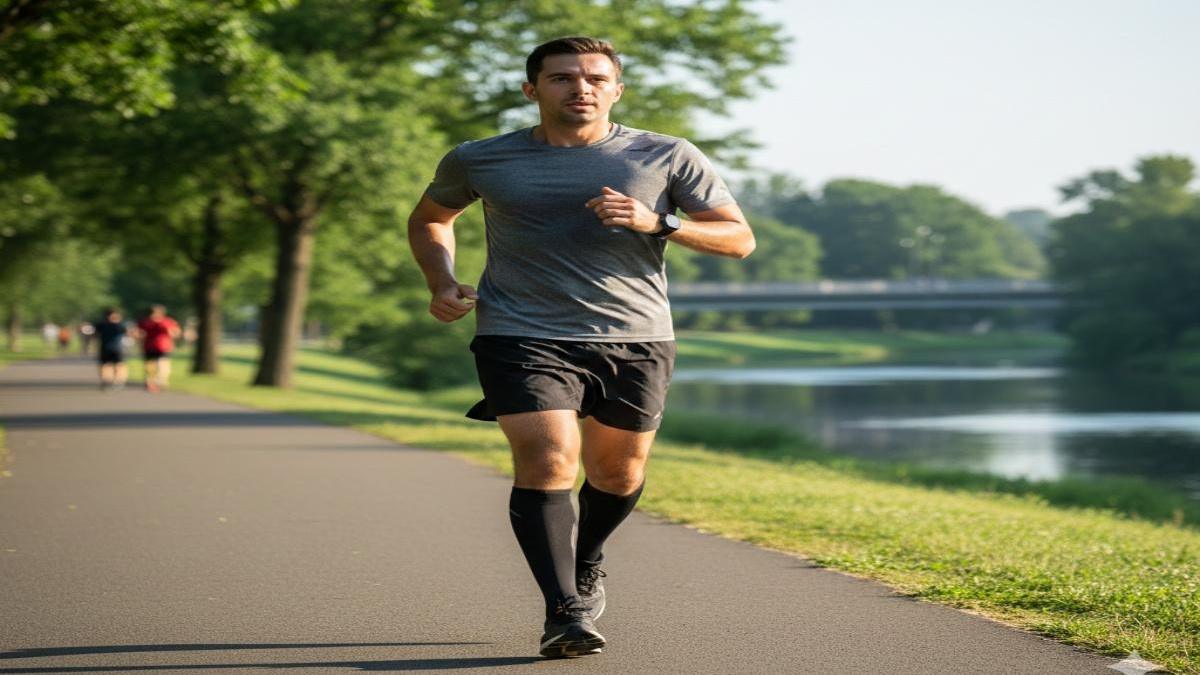
The Role of Gentle Movement in Muscle Recovery
Muscle stiffness and tightness are common after workouts, long periods of inactivity, or minor strains. However, the natural instinct to stop moving entirely can actually slow recovery. According to fitness and health experts in the U.S., gentle movement plays a critical role in loosening muscles and reducing rigidity, even when mild pain is present.
The key is understanding how the body responds to light activity versus complete rest. Light exercise helps muscles recover by increasing blood flow and warming up the muscles gradually, which reduces stiffness. As circulation improves, oxygen and essential nutrients reach healing muscle fibers more efficiently, while metabolic waste products are flushed out. This process allows tissues to become more elastic and responsive, making movement feel easier and less uncomfortable over time.
Another important benefit of gentle movement is that it encourages muscles to “reset” their natural range of motion. As muscles loosen, flexibility improves and everyday movements become smoother, reducing the risk of compensatory patterns that can lead to further strain or injury. Even activities like walking, light stretching, or mobility drills can have a meaningful impact.
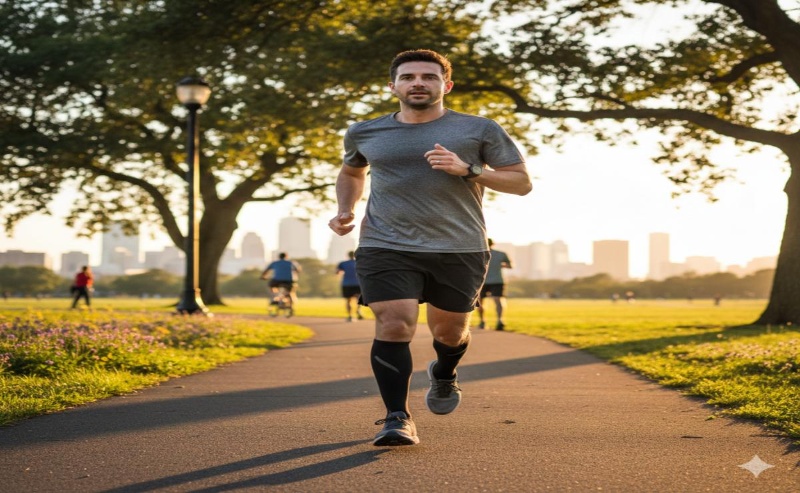
Over time, regular movement—even with mild pain—trains muscles to adapt and recover more efficiently. This adaptation reduces long-term stiffness and supports better overall mobility, especially for people who exercise frequently or maintain an active lifestyle. The body learns that movement is safe, which helps prevent chronic tightness caused by fear-based inactivity.
However, experts stress the importance of balance. There is a clear difference between gentle movement that promotes recovery and intense overexertion, which can worsen pain or delay healing. Pushing through sharp pain, heavy resistance, or extreme fatigue may stress muscles that are still repairing, increasing inflammation instead of reducing it.
In the long run, listening to your body and choosing smart, low-intensity movement during recovery can make a significant difference. Staying lightly active helps muscles stay flexible, resilient, and ready to perform, turning mild discomfort into an opportunity for smarter training and healthier habits rather than a setback.
Benefits of Light Exercise for Muscles
- Increased Blood Flow: Light activity boosts circulation, allowing more oxygen and nutrients to reach the muscles.
- Waste Removal: Improved blood flow helps flush out metabolic waste products that contribute to stiffness and soreness.
- Enhanced Flexibility: Gentle movement encourages muscles to regain their natural range of motion, improving flexibility over time.
- Reduced Risk of Injury: By maintaining smooth movement patterns, the risk of compensatory actions that could lead to further strain is minimized.
- Long-Term Adaptation: Regular, low-intensity movement trains the body to recover more efficiently, supporting better mobility and resilience.
When to Avoid Intense Activity
While light movement is beneficial, there are situations where it’s best to avoid intense activity:
- Sharp Pain: If the pain is sharp or sudden, it may indicate an injury that requires rest.
- Heavy Resistance: Lifting heavy weights or engaging in high-intensity workouts can worsen muscle damage.
- Extreme Fatigue: Exercising when exhausted can increase the risk of further strain or injury.
Practical Tips for Gentle Recovery
- Walk Regularly: A short walk can help improve circulation without putting too much strain on the muscles.
- Try Light Stretching: Gentle stretches can help ease tension and improve flexibility.
- Focus on Mobility Drills: Activities like yoga or dynamic stretching can promote movement without overexertion.
- Listen to Your Body: Pay attention to how your muscles feel and adjust your activity level accordingly.
- Stay Consistent: Even small amounts of movement can make a big difference in recovery over time.
By incorporating these practices into your routine, you can turn post-workout discomfort into a chance to build healthier habits and support long-term muscle health.

- Dinkes Paser Jamin Puskesmas Buka Selama Arus Mudik Lebaran 2026 - March 24, 2026
- 45 Soal Seni Budaya Kelas 2 Semester 2: Essay dan Pilihan Ganda - March 24, 2026
- The secret benefits of switching to fiber internet - March 24, 2026


Leave a Reply