Soft Drinks May Lose SNAP Eligibility
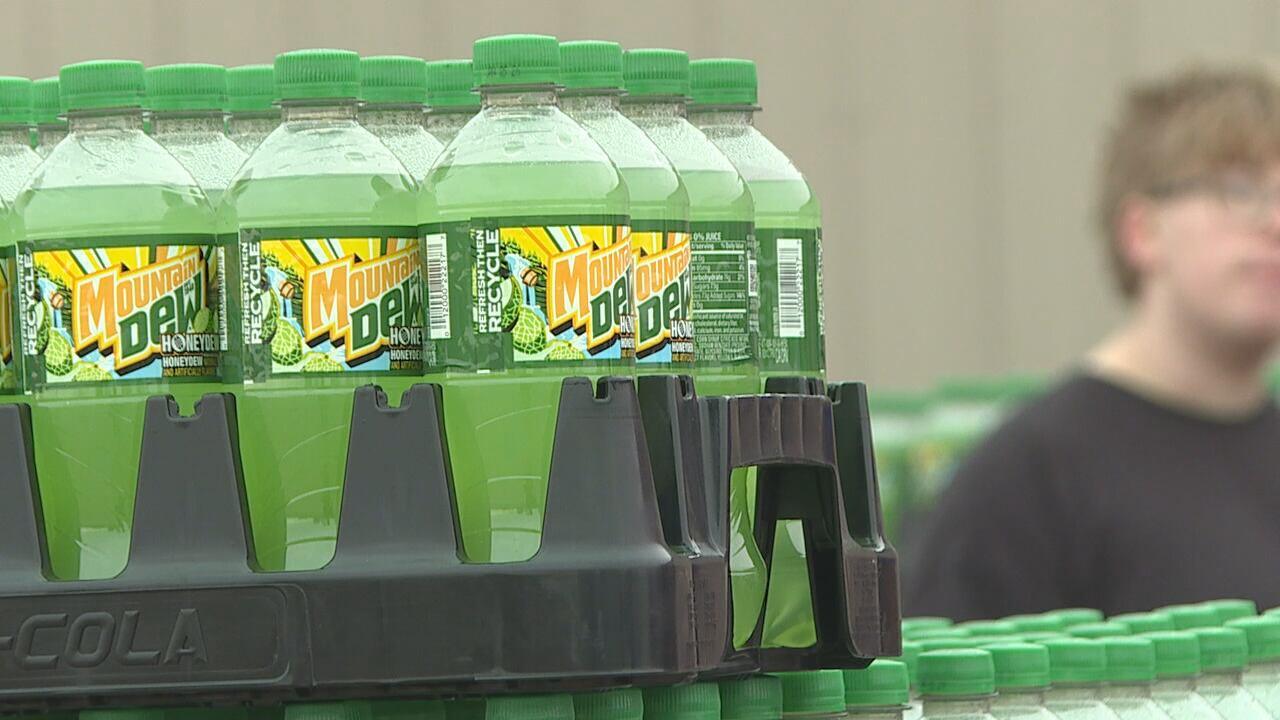
The Debate Over Soft Drinks in the SNAP Program
In South Dakota, over 75,000 residents are enrolled in the Supplemental Nutrition Assistance Program (SNAP), which provides food assistance to low-income individuals and families. With more than 40 million Americans participating in the program nationwide, the question of whether sugary drinks should be excluded from SNAP benefits has sparked a heated debate.
The discussion centers around House Bill 1056, introduced by Sioux Falls representative Taylor Rehfeldt. This bill aims to remove soft drinks from the list of eligible items under SNAP, arguing that these beverages offer little nutritional value and contribute to chronic health issues. Rehfeldt, who is also a nurse, described soft drinks as “nonalcoholic beverages that contain natural or artificial sweeteners,” emphasizing that the legislation is not about philosophy but rather about making the program more focused on nutrition.
Health care groups have strongly supported the bill, warning about the negative impacts of sugary drinks. Justin Bell of the South Dakota Medical Association highlighted the risks associated with excessive consumption, including weight gain, cardiovascular disease, type 2 diabetes, dental decay, and an increased risk of childhood obesity.
If passed, the bill would require South Dakota to seek a federal waiver to exclude sugary drinks from the program. However, this move has faced significant opposition from both the executive branch and the private sector.
The governor’s office argued that a federal solution is more appropriate for a federal program like SNAP. Laura Ringling, the Governor’s Office Senior Policy Advisor, expressed concerns about the administrative burden and costs of implementing the legislation. She noted that the state has already taken on over $5 million in expenses that were previously covered by the federal government, and this amount could increase if the error rate in SNAP benefits worsens.
Ringling also warned that adding complexity to the program could lead to higher error rates and increased costs for the state. These concerns were echoed by the private sector, particularly the South Dakota Retailers Association. Executive Director Nathan Sanderson pointed out the challenges of enforcing such restrictions at the retail level.
“We can’t say ‘Retailers, you can’t sell soft drinks in SNAP.’ Because you don’t want to have a cashier make that judgment call at the time,” Sanderson said, highlighting the logistical difficulties of implementing the bill.
Rehfeldt emphasized that the definition of soft drinks is clear, referencing other federal programs like the Women, Infants, and Children (WIC) program, which already excludes sugary drinks. She also criticized the influence of the sugar industry, stating that big sugar interests are active both in Washington, D.C., and in South Dakota.
Despite her frustration with the governor’s office, Rehfeldt maintained her stance, refusing to alter the requirement that juice must be all-natural. The bill ultimately passed the House Health and Human Services committee with a vote of 11-2, showing strong support among lawmakers. One representative raised concerns about the limitations the bill could place on available food options, but Rehfeldt stood firm on her position.
Key Points in the Debate
- Support for the Bill: Health care groups argue that excluding sugary drinks from SNAP will help combat chronic diseases and promote better nutrition.
- Opposition from the Executive Branch: The governor’s office claims that implementing the bill would add unnecessary administrative complexity and cost.
- Challenges from the Private Sector: Retailers express concerns about the practicality of enforcing the restrictions at the point of sale.
- Clear Definition of Soft Drinks: Rehfeldt points to existing federal programs like WIC to justify the exclusion of sugary drinks.
- Political Influence: The bill faces resistance from powerful lobbying groups, including those representing the sugar industry.



Leave a Reply