How to Avoid Muscle Soreness: Expert Recovery Tips

Muscle soreness is a common experience for anyone engaging in regular exercise, but the good news is there are practical ways to minimize discomfort and speed up recovery. Understanding the causes and implementing preventive strategies can make your workouts more enjoyable and sustainable.
Train with the Right Intensity
One of the most effective ways to prevent muscle pain is to gradually increase the intensity of your workouts. Instead of pushing your body too hard too quickly, aim for a moderate, steady progression. Your muscles adapt better to incremental increases, reducing the risk of soreness and injury.
This approach not only helps prevent soreness but also builds long-term strength and endurance. It’s important to listen to your body and avoid overtraining, which can lead to burnout and setbacks in your fitness journey.
Use Ice, Heat, and Massages
Evidence shows that therapies like cold and heat application, along with professional or self-massage, can significantly reduce muscle fatigue and pain. Applying ice can help reduce inflammation, while heat promotes blood flow and relaxes tight muscles. Combining these methods can make a noticeable difference after intense sessions.
- Ice therapy is particularly useful immediately after a tough workout to reduce swelling and numb sore areas.
- Heat therapy should be used later in the recovery process to loosen muscles and improve flexibility.
- Massages, whether done by a professional or using tools like foam rollers, can help alleviate tension and improve circulation.
Stay Hydrated
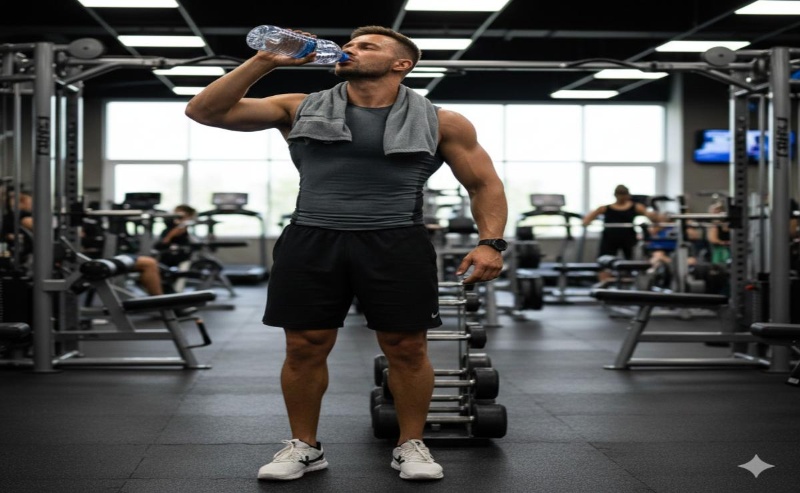
Drinking enough water is essential for muscle function and recovery. Proper hydration helps flush out toxins and waste products that accumulate during exercise, which can contribute to soreness. Aim for consistent water intake before, during, and after your workouts.
Staying hydrated also supports overall physical performance and helps maintain energy levels throughout your training session. Dehydration can lead to cramps, fatigue, and even increased muscle soreness.
Eat Enough Protein
Proteins provide the amino acids your body needs to repair and grow muscle tissue. Including a variety of protein sources in your diet—such as lean meats, dairy, legumes, and plant-based options—can support faster recovery and reduce the intensity of post-workout soreness.
Aim to consume protein within 30 minutes to an hour after exercising to maximize muscle repair. This can include smoothies, meals, or snacks that are rich in high-quality protein.
Prioritize Quality Sleep
Perhaps the most overlooked recovery tool is sleep. Most of your body’s repair processes, including tissue repair and hormonal regulation, occur during deep sleep. Neglecting rest can delay recovery and impact long-term performance.
Strive for 7 to 9 hours of uninterrupted sleep each night to maximize muscle repair and overall well-being. Creating a consistent sleep routine, avoiding screens before bed, and ensuring a comfortable sleeping environment can all contribute to better rest and recovery.



Leave a Reply