Dr. Oz ignites backlash with AI doctor avatars for rural areas
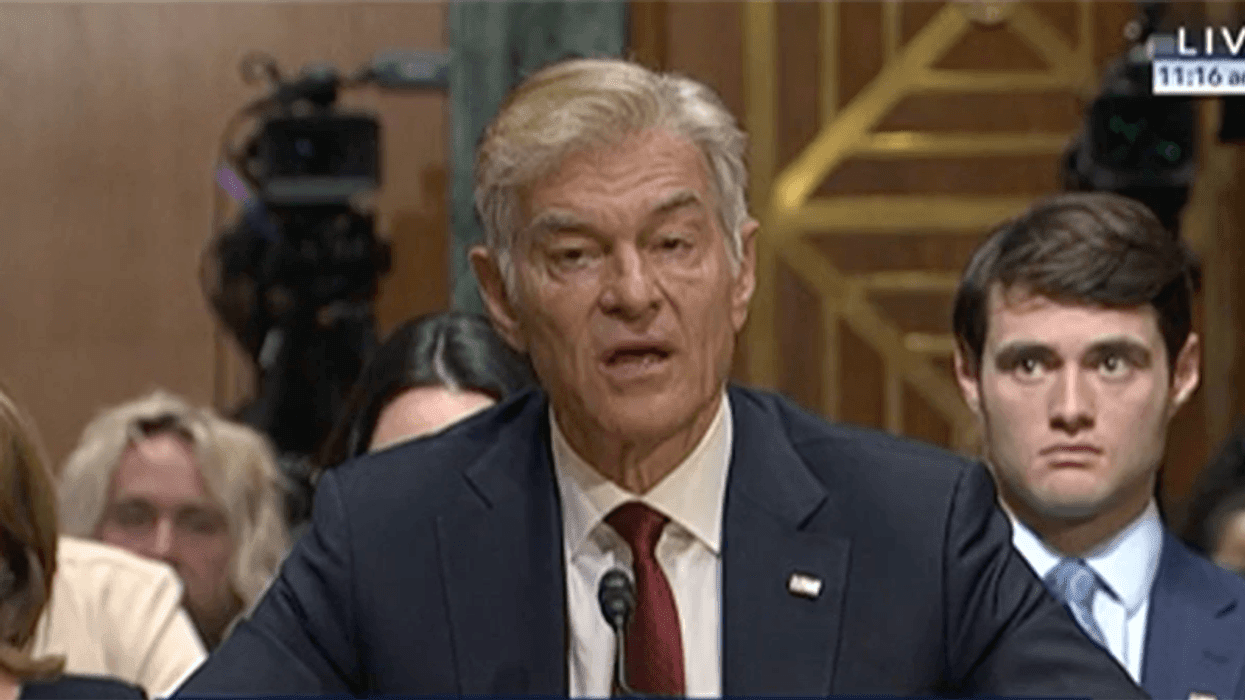
Dr. Mehmet Oz, the former chief of the Centers for Medicare & Medicaid Services under the Trump administration, faced significant backlash after suggesting that AI “avatars” could serve as substitutes for doctors in rural communities. The comments were made during an appearance alongside Health and Human Services Secretary Robert F. Kennedy Jr. at an event called “Action for Progress.” Oz framed artificial intelligence as a necessary solution to the ongoing healthcare shortages, but many critics saw his remarks as tone-deaf, especially given the severe funding cuts that have already strained rural hospitals.
The idea of using AI avatars to replace human doctors has drawn sharp criticism from health experts and commentators. Many argue that this approach overlooks more practical and proven solutions, such as expanding the authority of nurse practitioners or increasing the number of healthcare professionals in underserved areas. Instead, they see Oz’s comments as part of a broader trend where technological fixes are being prioritized over real-world, community-based care.
Online reactions to Oz’s statements were swift and intense. Social media platforms became a hub for outrage, with users labeling the idea as “quackery” and questioning the administration’s commitment to improving healthcare access. Critics pointed out that while AI may have a role in healthcare, it cannot replace the personal touch and expertise of trained medical professionals, especially in rural areas where resources are already limited.
The controversy also reignited discussions about the potential conflicts of interest involving Dr. Oz. Reports have highlighted that he has investments worth millions in industries that he will soon be regulating, raising concerns about his impartiality and the influence of financial interests on policy decisions.
Dr. Oz’s suggestion that AI avatars could replace doctors in rural America has sparked widespread debate. The idea, while technologically intriguing, has been met with skepticism and concern from both the public and healthcare professionals. Many believe that the focus should be on strengthening existing healthcare systems rather than relying on untested technological solutions.
Some key points raised by critics include:
- The current state of rural healthcare is dire, with many hospitals facing closures due to insufficient funding and staffing. Introducing AI avatars without addressing these underlying issues could exacerbate the problem.
- Nurse practitioners and other healthcare professionals are often more accessible and cost-effective in rural areas. Expanding their roles could provide immediate relief without the need for expensive and unproven technology.
- There is a lack of evidence supporting the effectiveness of AI avatars in delivering quality healthcare, particularly in complex or emergency situations where human judgment is crucial.
The debate highlights a growing tension between innovation and practicality in healthcare policy. While technology can play a valuable role, it must be integrated thoughtfully and in conjunction with existing resources and workforce development.
As the conversation continues, many are calling for a more balanced approach that prioritizes the needs of patients and healthcare providers over flashy, high-tech solutions. The challenge lies in finding ways to improve access to care without compromising the quality and safety of medical services in rural communities.

- ADB Suntik Rp 415 Miliar Perluas Layanan Kesehatan Inklusif di Jabar dan Jateng - March 23, 2026
- Captain Skateland arrives in Rockford - March 23, 2026
- Pemprov Kaltim Cairkan Bantuan Pendidikan Gratis Tahap II Rp 117,55 Miliar - March 23, 2026


Leave a Reply