Global Warming Accelerates Major Greenhouse Gas Collapse
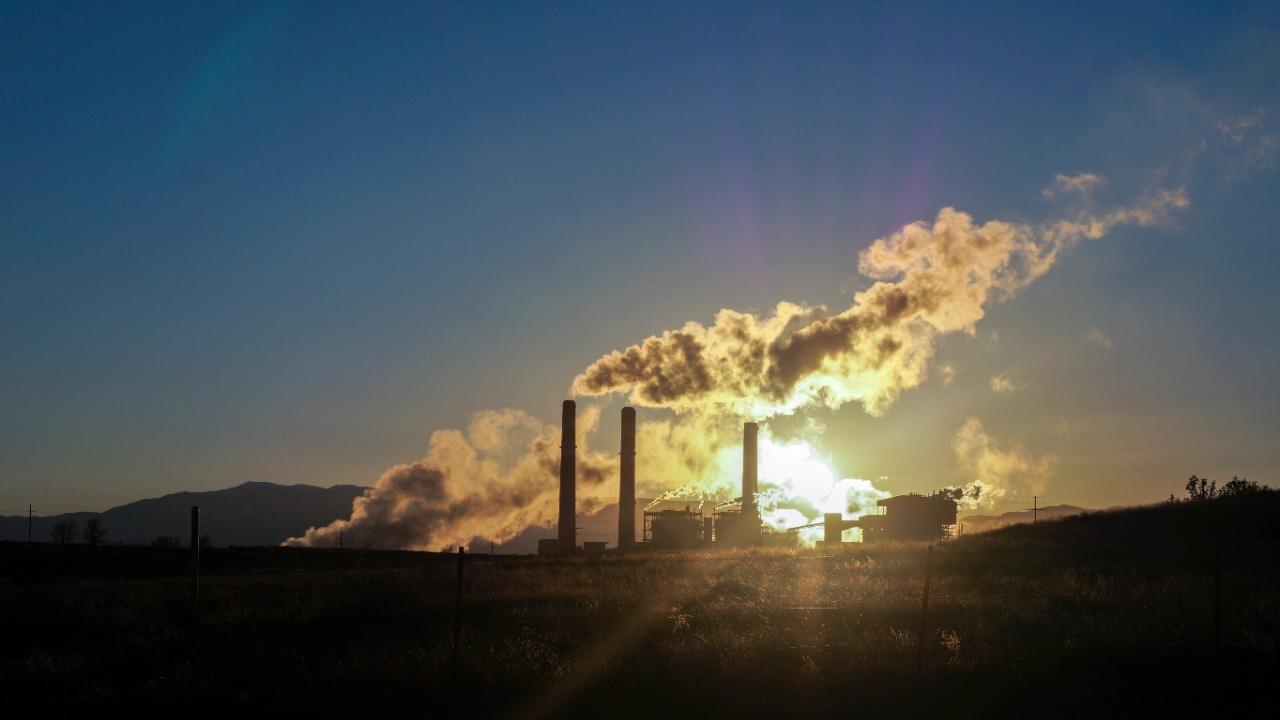
The Natural Carbon Sink is Failing
For decades, Earth’s forests, wetlands, and soils have played a critical role in absorbing carbon pollution from human activities. However, this natural buffer is now showing signs of strain as global temperatures rise to record levels. This shift is creating a dangerous feedback loop where increasing heat accelerates the breakdown of one of the planet’s most vital greenhouse gas absorbers.
Instead of consistently taking in carbon dioxide, large areas of land are now absorbing less and, in some cases, emitting more. This change is already evident in atmospheric data and ecosystem studies, and it is reducing the remaining carbon budget needed to keep warming below 1.5°C.
The land sink that once helped slow down climate change is now struggling.
A Vital Role in the Carbon Cycle
Natural ecosystems have long served as a counterbalance to fossil fuel emissions. Land-based vegetation and soils historically removed about 30% of human-produced carbon dioxide from the air. Combined with the oceans, these natural systems have taken up roughly 55% of anthropogenic CO2. In recent years, land sinks have accounted for around 29% of this total.
In the United States, the land carbon sink has been central to climate planning, with forests and soils expected to offset a significant portion of national emissions. This role is outlined in assessments of the land carbon sink.
However, this quiet service is now under severe stress. Recent research has documented an “unprecedented” weakening of natural land-based carbon sinks in 2023 and 2024. Scientists warn that the ability of forests and soils to absorb CO2 has nearly halved in some regions as global temperatures continue to climb.
Record Heat and the Tipping Point
The weakening of the land sink is not happening in isolation—it is occurring during the hottest years ever recorded. Analysis of global temperatures shows that last year was the warmest on record, with the highest number of climate disasters. A strong El Niño, which began in 2023, continued into early 2024, intensifying heat extremes worldwide.
Atmospheric monitoring networks reported that the annual global increase in carbon dioxide concentrations jumped by about 3 parts per million, the highest growth rate on record. This spike followed the hottest year and indicated that more of each ton of pollution is staying in the atmosphere.
On the ground, the impact is clear. Forests, plants, and soil absorbed almost no carbon in 2023 during the hottest year on record. This collapse has prompted warnings that Earth’s systems are showing signs of strain that were expected decades from now. One analysis found that the global land uptake fell to just one-fifth of its usual level in 2023, marking the weakest performance in two decades.
How Heat and Drought Disrupt the Carbon Cycle
At the microscopic level, the breakdown of the land sink starts with how plants breathe. Plants use tiny pores called stomata on their leaves to regulate the balance between CO2 absorption and water loss. When temperatures exceed 90°F (32°C), many plants begin to close their stomata to conserve water, which also limits photosynthesis and reduces carbon uptake.
In forests, drought magnifies this stress. Experimental work on subtropical coniferous stands has shown that during combined drought and warming events, stomatal closure inhibits photosynthesis and limits carbon sequestration. Productivity remains low even after the warming ends.
A study published in Atmospheric Chemistry and Physics found that during high heat, plants shut down their ability to absorb pollution, reducing the amount of carbon and other pollutants they can remove from the air.
From Slow Decline to Near-Collapse
Climate scientists had long anticipated a gradual weakening of the land sink, but the recent changes have been abrupt. Models generally predict a decreasing sink over time, but the rapid decline in 2023 and 2024 has surprised researchers. The mismatch between projections and observations highlights the accelerating pace of change.
In 2024, Earth’s natural carbon sink nearly collapsed, with forests, grasslands, and wetlands absorbing far less CO2 than before. This shift raised alarms about the stability of the global carbon cycle. Climate models predict a gradual slowdown, but most placed an abrupt collapse several decades away. The back-to-back weak years suggest that tipping points may be closer than previously thought.
Implications for Climate Goals
The weakening of the land sink has real-world consequences for climate targets. A weakened sink means the carbon budget for keeping warming below 2°C is tighter than official estimates suggest. If ecosystems continue to falter, humanity would need to cut emissions roughly one-third faster to stay on track.
This reality collides with the fact that the world is still on course for a catastrophic 2.6°C temperature rise. Scientists warn that the combined effects of global heating and deforestation have already turned some tropical forests in Southeast Asia and the Amazon from carbon sinks into sources of climate-heating gas.
What Comes Next?
The failure of the land sink is not just a scientific concern—it directly impacts the math of climate goals. As natural systems struggle, the urgency to reduce emissions becomes even greater. The path forward requires immediate action to curb pollution and protect the remaining carbon sinks.
More from Morning Overview
‘Fail to shut down’: Microsoft issues urgent Windows update alert
‘The road’s gone’: 1,000 trapped on Outer Banks as highway vanishes into sea
Older Teslas are wearing out in ways owners never saw coming
Apple issues a major warning to 800M iPhone users right now

- Gejala Batu Ginjal yang Dikisahkan 2 Pasien Sebelum Operasi - March 21, 2026
- Susan G. Komen More Than Pink Walk pindah ke Miami-Dade County Fairgrounds - March 21, 2026
- Hewan juga Terjebak Ilusi Optik untuk Bertahan Hidup - March 21, 2026

Leave a Reply