NIH Leader Challenges RFK Jr. on Vaccines and Autism
A Divided Stance on Vaccines
The head of the National Institutes of Health (NIH) recently made headlines when he acknowledged that he does not believe vaccines cause autism, a stance that contrasts sharply with his boss, Robert F. Kennedy Jr. This divergence in views has sparked significant debate within the scientific and political communities.
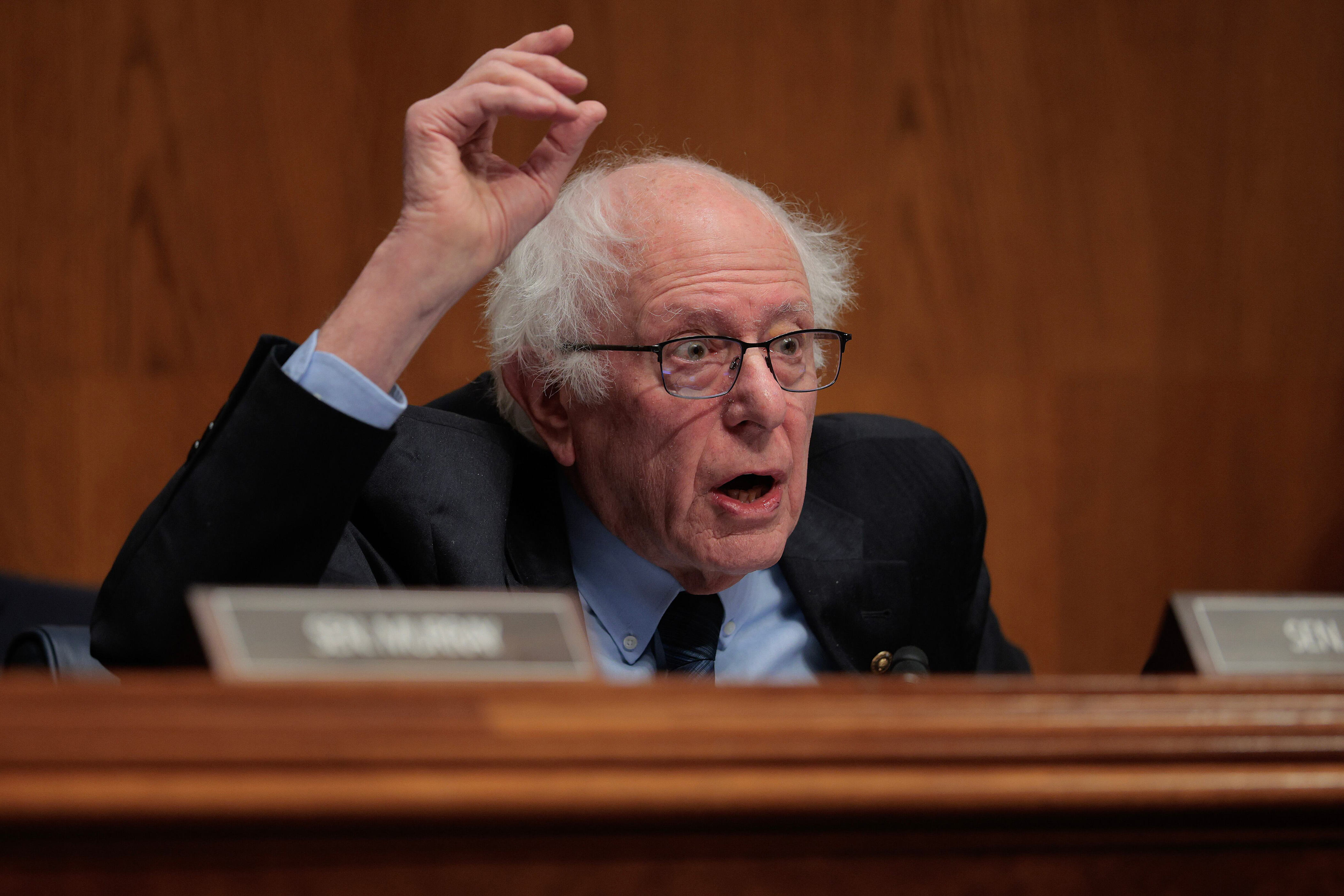
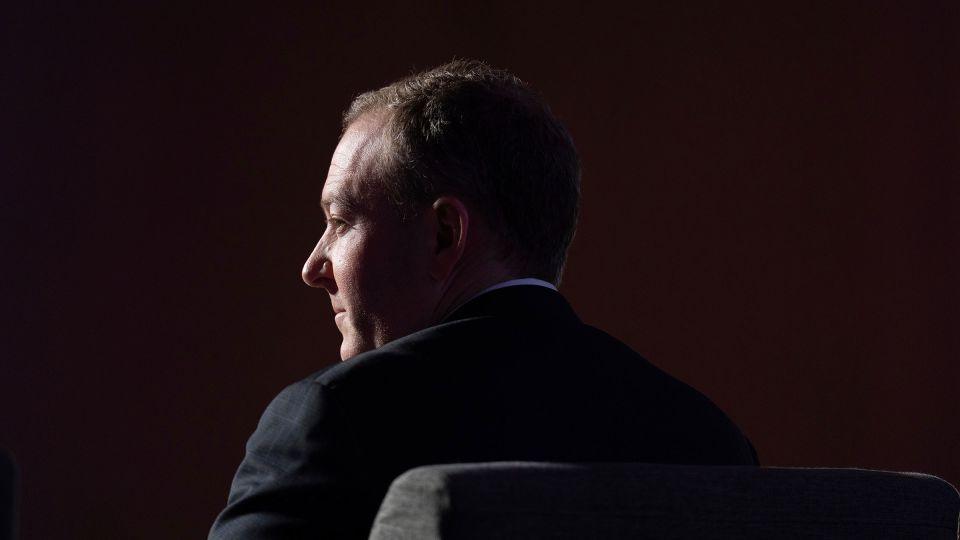
Jay Bhattacharya, the NIH director, faced questioning from the Senate Committee on Health, Education, Labor, and Pensions on Tuesday. Ranking member Bernie Sanders directly asked him, “Do vaccines cause autism? Tell that to the American people: Yes or no?” After initially trying to avoid a direct answer, Bhattacharya finally admitted, “I have not seen a study that suggests any single vaccine causes autism.” This statement marked a clear departure from the beliefs held by his superior.
Contrasting Beliefs Within the Administration
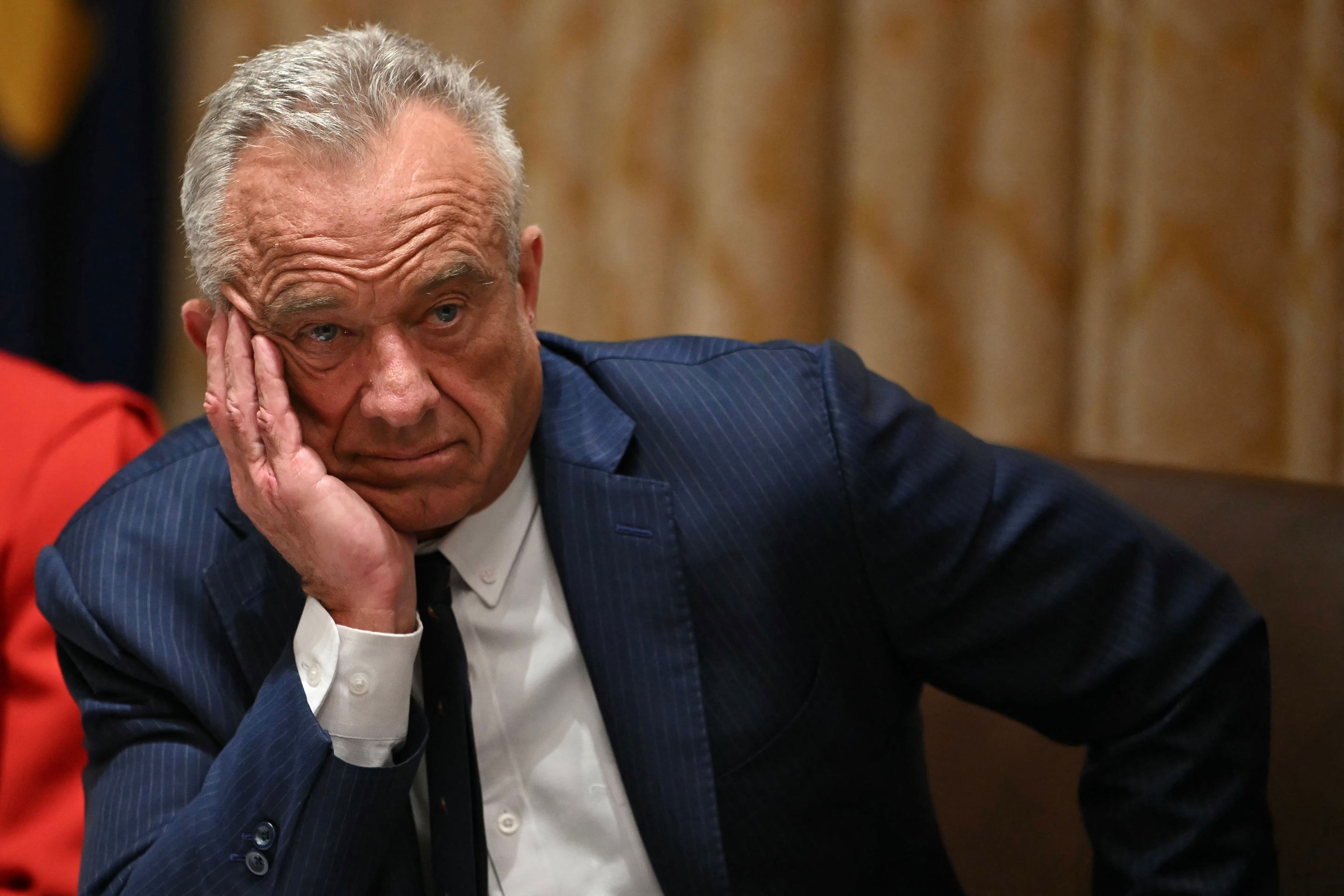
This contrast is particularly striking given the position of HHS Secretary Robert F. Kennedy Jr., who has been vocal in promoting unproven theories linking vaccines to autism. Kennedy has also made baseless claims about other factors, such as circumcision and Tylenol, being linked to autism. His focus on combating autism has drawn criticism, with many arguing that his approach is rooted in anti-vaccine conspiracies rather than established scientific research.
Kennedy’s influence has led to significant changes within the federal autism advisory system. Recently, he overhauled the Interagency Autism Coordinating Committee, filling it with various vaccine skeptics. Alison Singer, head of the Autism Science Foundation, expressed concern about the new committee, stating that it disproportionately represents a small subset of families who believe vaccines cause autism.
Pro-Vaccine Advocacy from the NIH Director
Unlike his boss, Bhattacharya has been a strong advocate for vaccines during recent hearings. Discussing the measles outbreak in the United States, he emphasized the importance of vaccination, stating, “I am absolutely convinced that the measles epidemic that we are seeing currently is best solved by parents vaccinating their children for measles.”
The U.S. is currently experiencing measles outbreaks in states with low vaccination rates. In March 2025, Kennedy criticized the Measles, Mumps, and Rubella (MMR) vaccine, claiming its effectiveness wanes over time and that it is the cause of “all cases” of the illness. Later, in May, he ordered the Centers for Disease Control to investigate using vitamin A as a treatment for measles. However, medical professionals have clarified that vitamin A can only be a supplementary treatment, not a cure.
Bhattacharya’s Political Alignment
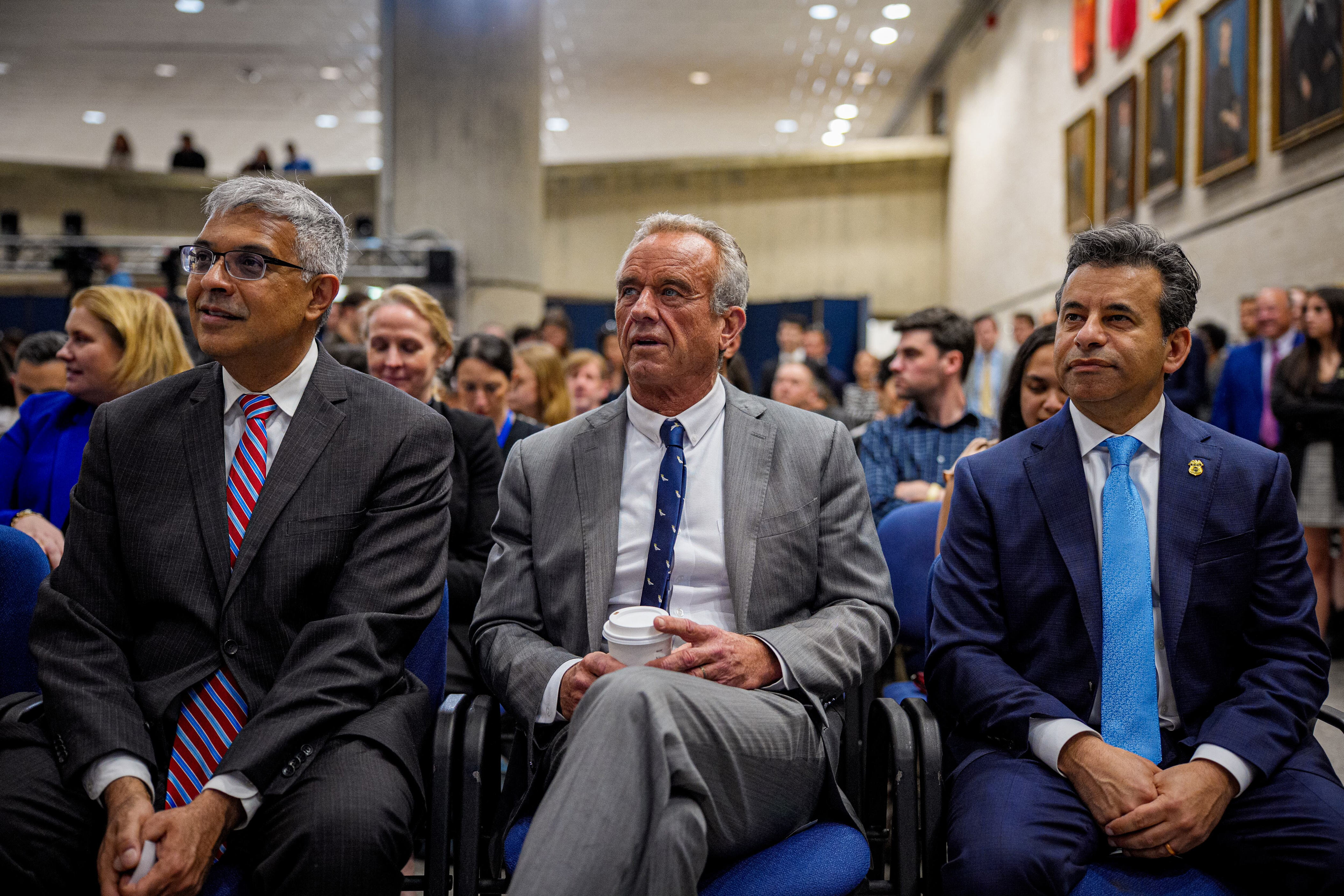
Bhattacharya has gained attention among conservative politicians by downplaying the severity of the COVID-19 pandemic and criticizing health protocols like lockdowns. His views have earned praise from figures such as Florida Governor Ron DeSantis and tech leaders Elon Musk and Peter Thiel. As NIH director, he supported rolling back vaccine guidelines for healthy children and pregnant women, calling it “good science.”
Kennedy’s Influence on Health Agencies
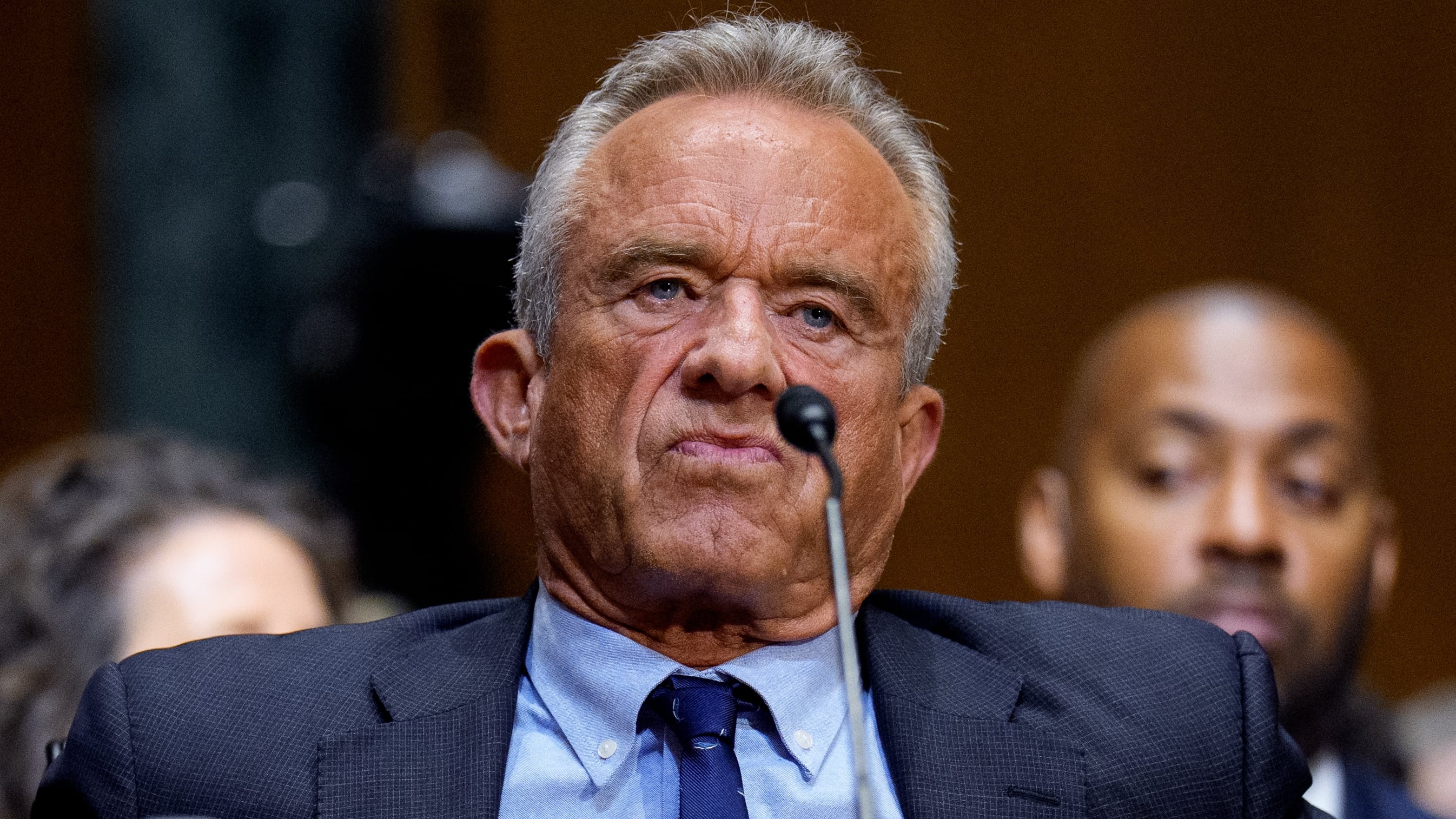
Kennedy has already taken steps to remove doctors who oppose his views within health agencies. Last year, he fired the entire Advisory Committee for Immunization Practices, which advises the CDC on vaccine efficiency, and replaced it with anti-vaccine members. He also pressured CDC head Susan Monarez to support his policies, leading to her dismissal in August after she resisted.
These actions highlight the growing divide between different factions within the administration, raising concerns about the direction of public health policy in the United States.



Leave a Reply