Food Waste Costs U.S. $384 Billion, Consumers Bear Major Blame

Food waste is a significant issue that affects not only the environment but also the economy and society as a whole. As children, many of us were encouraged to finish our meals, often without realizing the broader implications of food waste. In 2024, 29% of the 240 million tons of food produced in the United States went unsold or uneaten, totaling $384 billion in value. This is a staggering number, especially considering that 13.5% of Americans, or one in seven, are food insecure. While farms, corporations, and restaurants contribute to this problem, it’s actually consumers who are the largest contributors to food surplus.
Surplus food refers to food that goes unsold or unused at a business or simply remains uneaten in a home. On the other hand, food waste specifically refers to uneaten and inedible food that ends up in various waste destinations. In 2024, food waste from consumers alone amounted to $259 billion, making up over 45% of all surplus food. The average American consumer spent $762 on food they didn’t eat in 2024, resulting in $141 billion wasted by the public. This includes uneaten groceries and restaurant plate waste.
Across all sectors, produce, prepared foods, and dairy and eggs were the top three categories for most surplus food. This is particularly concerning given the rise in grocery prices. While inedible food parts such as trimmings and byproducts are the leading cause of surplus food, consumers also waste food due to spoilage or because they consider it inedible.
A deeper look into consumer food waste reveals that individuals often waste food without realizing the impact of their actions. Wasted food not only squanders the labor, resources, and energy used in production but also harms the environment. Additionally, reducing food waste can lead to financial benefits for consumers. By improving prevention and consumption habits, a family of four could save up to $56 each week.
One of the main reasons for consumer food waste is a lack of food education. A common cause is misunderstanding date labels. Many people have seen labels like “best by,” “sell by,” or “use by” on food products, but may not know what they really mean. According to the U.S. Department of Agriculture, these labels indicate food quality rather than safety. They are more like recommendations from manufacturers and aim to help consumers identify quality. In fact, many foods remain safe to eat after the date on the label has passed. It’s only when spoilage is evident through sensory inspection that concern should arise.
Another major cause of food waste is improper storage techniques. Refrigerators can be confusing, but poor storage leads to quicker spoilage of refrigerated goods. Understanding which foods to store in the refrigerator and where to place them can significantly extend the lifespan of your food. Additionally, consumers may discard bruised fruits or wilted greens, assuming they are inedible when they are actually still usable. Striving for perfection in food can also lead to unnecessary waste.
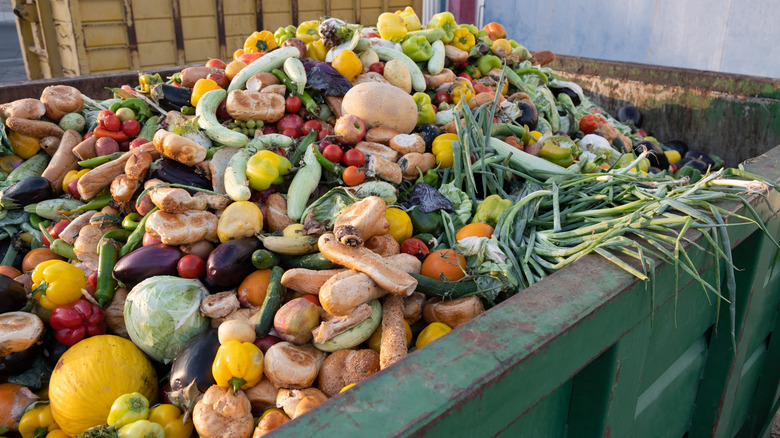
Consumers often waste salvageable food due to a lack of awareness and knowledge about proper handling and storage. By addressing these issues, individuals can make a meaningful difference in reducing food waste. Educating oneself on date labels, proper storage methods, and the true value of food can lead to more sustainable habits and a healthier relationship with food.
For more insights into food and drink, consider joining The Takeout’s newsletter. You’ll receive taste tests, food and drink news, deals from your favorite chains, recipes, cooking tips, and more. Stay informed and make a positive impact on food waste one meal at a time.




Leave a Reply