A Marvel Comic Sparked the Cheesiest Film Ever Made
The Origins of the Pulp Hero
Long before superheroes became a staple in American comic books, the print fiction industry was dominated by pulp magazines. These publications, named for the low-quality paper they were printed on, were home to some of the most iconic characters of their time. From the Green Lama and The Shadow to Zorro and Conan the Barbarian, these stories offered readers a form of escapism that resonated deeply during the Great Depression.
Pulp heroes weren’t confined to a single genre. They appeared in dark fantasy, crime, science fiction, adventure, and war stories, all united by a shared goal of providing entertainment. During a time of economic hardship, social strife, and global uncertainty, these stories captured the imaginations of millions of Americans. They were a way to forget the troubles of the day and immerse oneself in tales of heroism and adventure.
In 1933, one of the most iconic pulp heroes was created for Street & Smith Publishing by Lester Dent, Henry W. Ralston, and John L. Nanovic. Clark “Doc” Savage Jr. was the prototypical Indiana Jones, a man who embodied adventure and the idea of peak masculinity. His story would later influence the creation of Superman, with Jerry Siegel and Joe Shuster borrowing aspects of his character, including the “Man of Bronze” moniker. Similarly, DC Comics would adopt suspiciously similar ideas, such as the Fortress of Solitude.
Doc Savage’s Cinematic Debut
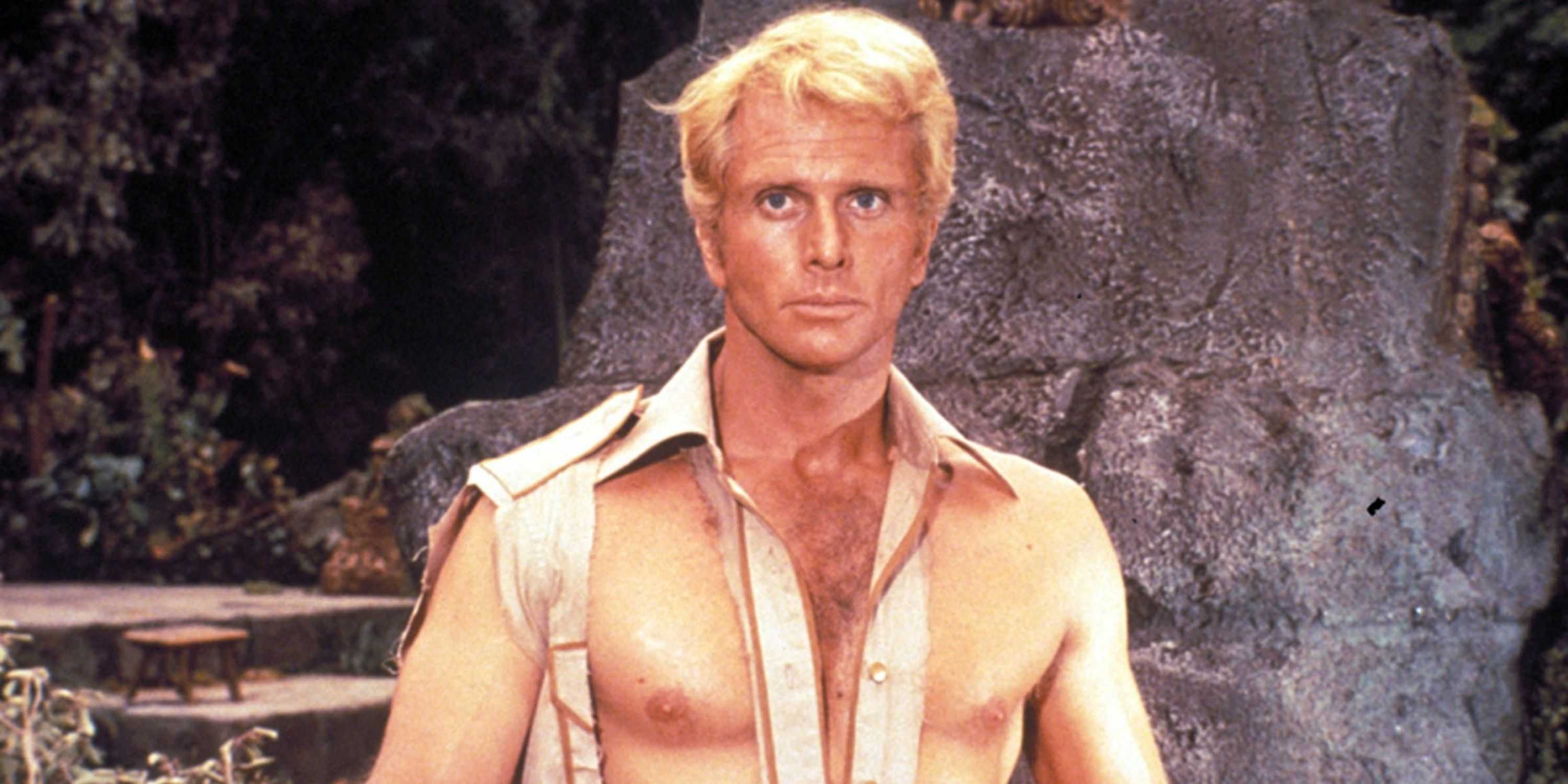
Only one Doc Savage movie has been made, which stars Ron Ely in the titular role. The film opens with a triumphant song heralding the arrival of the hero to his Fortress of Solitude, along with a basic explanation of who he is and his backstory. When he learns of his father’s death in the nation of Hidalgo, he convenes a meeting with his friends, the Fabulous Five, to learn what happened.
While the group assembles in his apartment, Doc narrowly survives an assassination attempt, pursuing the would-be murderer across the street with his companions. Although the killer dies in the confrontation, the men realize a connection to Hidalgo and decide to set off on an adventure. After Doc and the Fabulous Five survive another attempt on their lives, they find their way into the company of the dastardly international pirate and criminal, Captain Seas.
When they escape yet another murder attempt, they arrive in Hidalgo, where Doc learns that his father was gifted a plot of land by the elusive Quetzamal tribe. Finally piecing things together, Savage realizes that Captain Seas is in league with a military leader in the nation, and they’re exploiting the tribe for slave labor. With the freedom of the Quetzamal hanging in the balance, Doc and the Five use their various skills to fight their way to victory.
The movie is, from start to finish, one of the cheesiest executions of a film script ever made, replete with a scene of a villain sleeping in an oversized baby cradle. From Doc delivering a hopeful monologue to the sound of a chorus and applause to absurd fight choreography, the film never once takes itself particularly seriously. Despite having identical stories, the Marvel miniseries and original novel manage to treat the character with more weight and his debut adventure with more gravity.
A Marvel Movie in an Unexpected Way
The tricky tango of licensing deals has confused the concept of who owns what when it comes to content creation. In 1972, Marvel turned to writers Roy Thomas and Steve Englehart, alongside artist Ross Andru and others, to create a Doc Savage miniseries, adapting various novels to print. Thus, the cinematic adaptation, by technicality and a convincing argument, could be a Marvel movie.
The very first issue lays the groundwork for the story that would become the 1975 movie. Although the novel serves as the primary basis for the film, some scenes play out almost shot-for-shot like images from panels in the Marvel series, as if the director studied the comics for guidance. An interesting experiment for readers would be to read the Marvel Comics arc before the film.
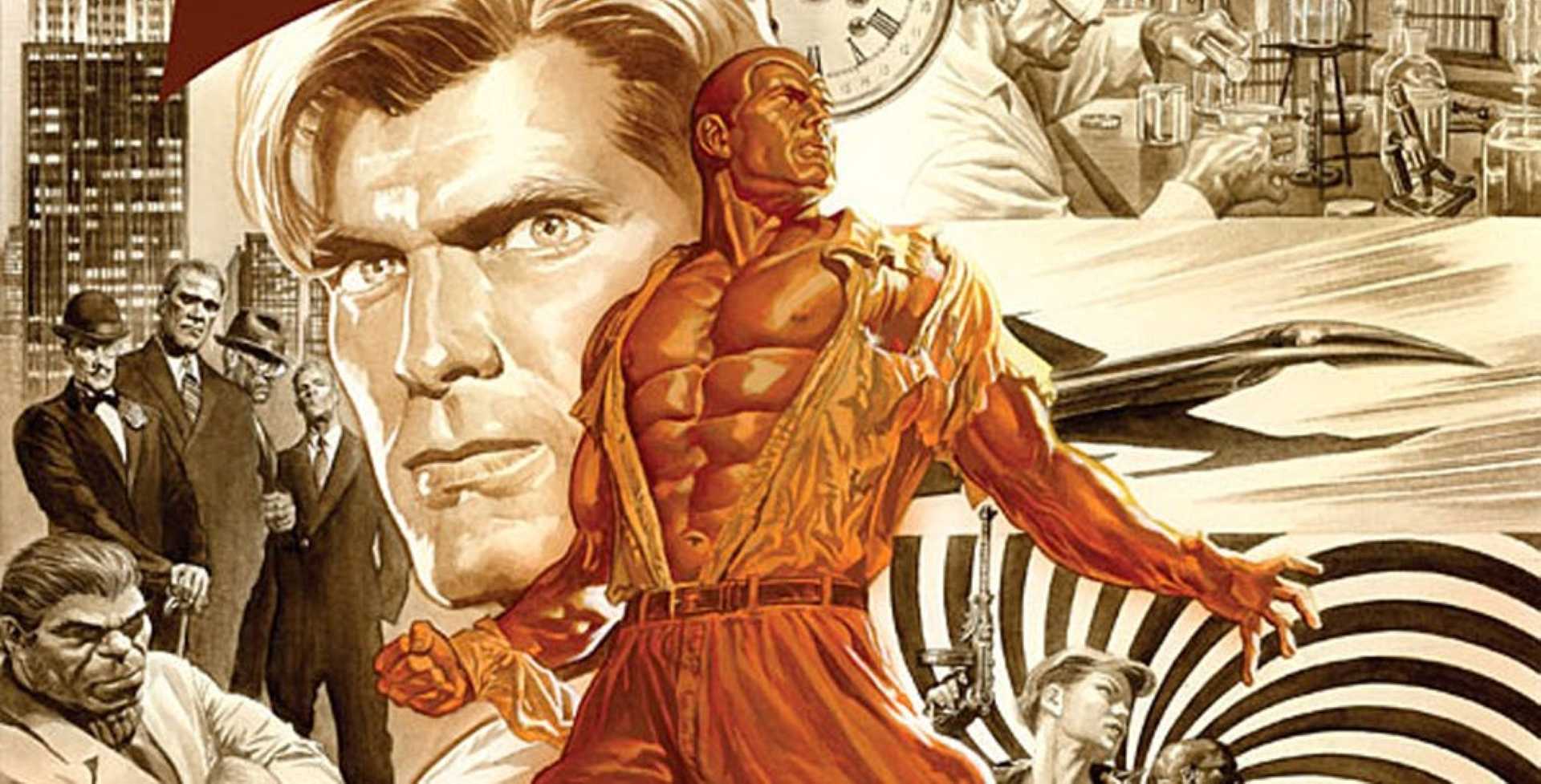
Doc Savage has been passed around a variety of publishers over the years, including Marvel, DC Comics, and Dynamite Entertainment. Under DC Comics, readers were treated to a fantastic piece of fan service as the hero was partnered with the Spirit (created by Will Eisner) and Batman in their own continuity. In the miniseries First Wave, DC honored the significance of all three characters as foundational figures, and Savage’s own solo series remains his best comic book treatment. It’s arguable that, because of this, Doc Savage could also be a DC Comics movie.
A Second Chance for Doc Savage
Doc Savage remains a divisive movie, at least among the few people who’ve seen it. For true fans of the hero, the film’s cheesy tone doesn’t quite align with what they had in mind for the character. In fact, many would rightly argue that Indiana Jones is closer to what the creators intended than Michael Anderson’s film, but the fault certainly doesn’t lie with Ron Ely.
There’s plenty of room to improve upon the groundwork that Doc Savage laid out, and a reboot of the 1975 movie wouldn’t be opposed. Some argue that the movie is in dire need of a serious, hard-hitting tone to completely sell itself. In an era where comic book movies are viewed as a dominating force, it’s also encouraged that younger viewers revisit Doc Savage, and reflect on how far the genre has come in terms of quality.
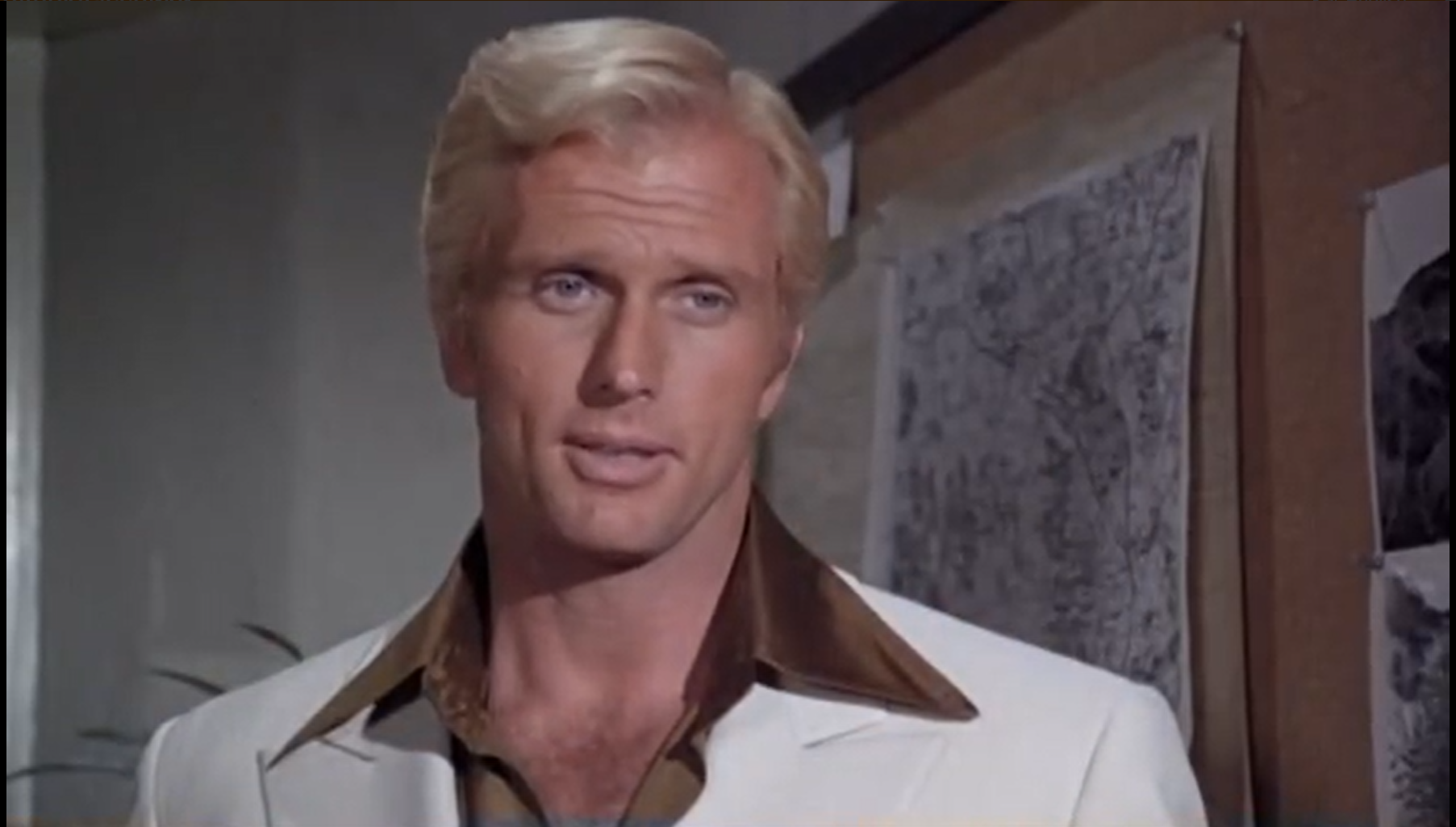
In a world where comic book movies can feel similar in almost every respect, looking back to cinema’s first efforts is still important. While Anderson’s movie wasn’t without its flaws, it holds a special place in comic book history for exploring the figure many view as the world’s first superhero. Fifty years on, Doc Savage is an intriguing movie that embraces the cheesy side of superheroes, and fans even have a Marvel Comics series to go with it.




Leave a Reply