$44M Boost Aims to Clean Bay, Revive Habitat Across Region
A Major Step Forward for the Chesapeake Bay
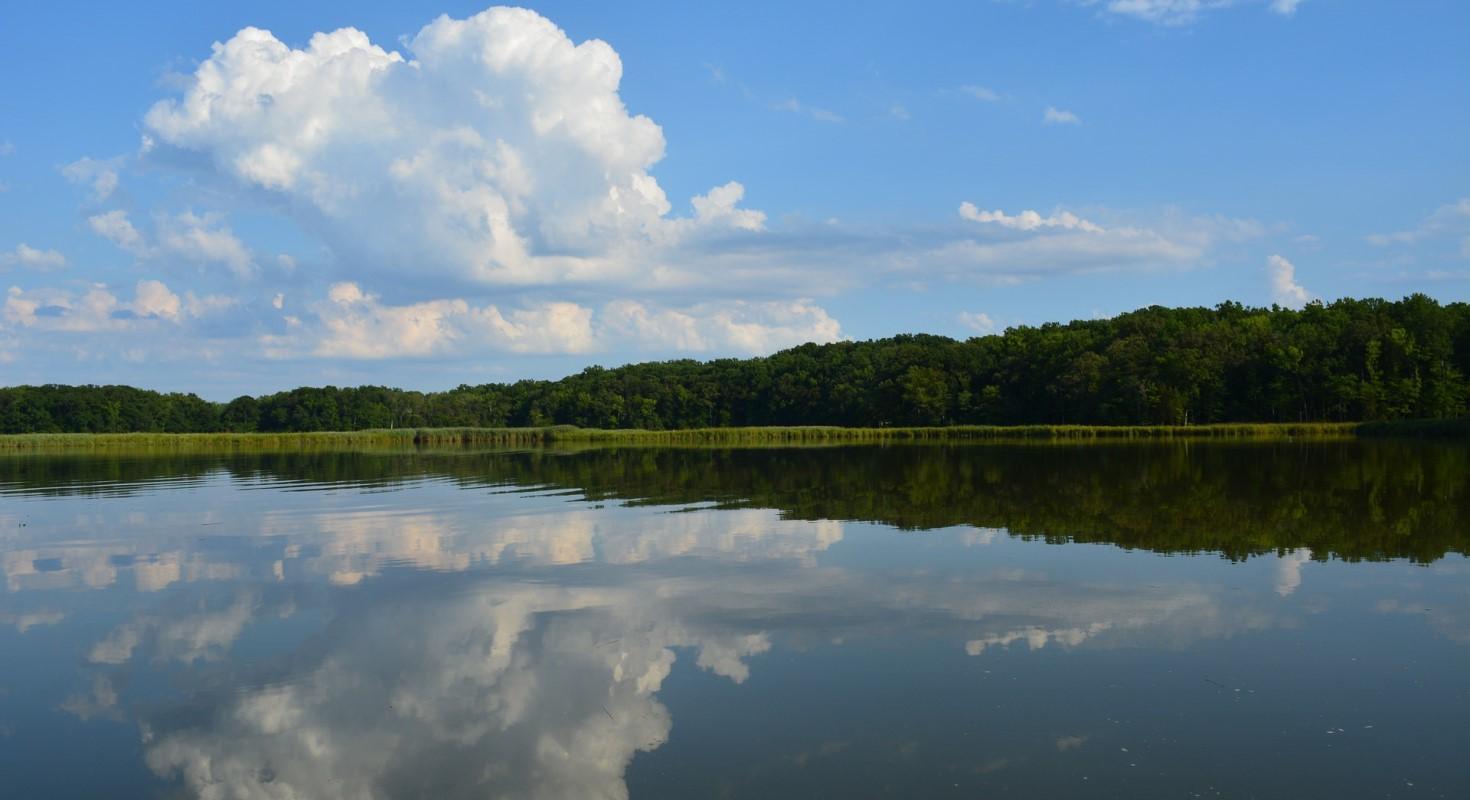
A significant $44 million conservation investment is set to make a major impact on the Chesapeake Bay watershed, according to federal officials. This funding will support 72 projects aimed at reducing pollution, restoring habitats, and mobilizing thousands of volunteers in one of the nation’s most extensive environmental recovery efforts.
The grants are being awarded by the National Fish and Wildlife Foundation (NFWF) and the U.S. Environmental Protection Agency (EPA). These funds will be matched with nearly $31 million in non-federal contributions, resulting in a total conservation impact of $75 million.
This financial boost comes through two key programs: the Chesapeake Bay Innovative Nutrient and Sediment Reduction Grants and the Small Watershed Grants. These initiatives are central to the Chesapeake Bay Program partnership and are designed to support measurable progress under the revised 2025 Chesapeake Bay Watershed Agreement. The agreement focuses on addressing nutrient pollution, sediment runoff, and habitat loss across a multi-state region that spans from New York to Virginia.
“The grants announced today build upon NFWF’s decades-long history of supporting the conservation of wildlife and habitats within the Chesapeake Bay watershed,” said Jeff Trandahl, executive director and CEO of the National Fish and Wildlife Foundation. “The projects and partners supported today with these grants will engage communities in voluntary conservation efforts across the Bay watershed and accelerate progress toward healthier waterways, wildlife populations, and natural habitats.”
These programs are administered under the NFWF’s Chesapeake Bay Stewardship Fund, a public-private partnership launched in 1999. The fund provides competitive grants, technical assistance, and on-the-ground support for restoration projects ranging from agricultural best practices to urban stormwater management.
Key Outcomes of the Funding
Collectively, this year’s awards are expected to achieve several significant outcomes:
- Restore 75 miles of riparian forest buffers
- Implement 45 miles of livestock exclusion fencing
- Rehabilitate 290 acres of wetlands and marsh habitat
- Cover 120,000 acres with agricultural conservation measures, including:
- Nutrient management plans on 83,000 acres
- Cover crops on 12,000 acres
- Manure injection across another 12,000 acres
- Treat runoff from more than 350 acres of developed land
- Support over 700 watershed restoration jobs
- Engage more than 3,300 volunteers
Environmental impact estimates are equally impressive:
- Reduce 1 million pounds of nitrogen pollution annually
- Cut 67,000 pounds of phosphorus
- Prevent more than 78 million pounds of sediment
Notable Grant Recipients
Several organizations have received significant funding for their projects:
- Ducks Unlimited will receive $1,163,839 to restore and enhance 200 acres of wetlands and 70 acres of buffer habitat across the Delmarva Peninsula.
- The Nature Conservancy will deploy innovative sensor technologies to map nitrogen credits from multi-species cover crops across 20,000 acres in Pennsylvania, Maryland, and the Delmarva region.
- Watershed Alliance of York in Pennsylvania will receive $847,682 to expand York County’s Watershed Forestry Program, implementing 100 acres of riparian forest buffers and supporting freshwater mussel conservation.
Other projects include:
- In Elmira, New York, Chemung County will retrofit urban streetscapes with permeable pavers and underground stormwater basins.
- In Washington, D.C., three large regional stormwater ponds will be upgraded to reduce pollution flowing into the Anacostia River.
Long-Term Impact and Future Goals
Since its inception in 1999, the Chesapeake Bay Stewardship Fund has awarded nearly 2,000 grants totaling more than $400 million. When combined with matching funds, the cumulative conservation investment exceeds $800 million.
For those interested in learning more about the specific grant recipients, a complete list of Innovative Nutrient and Sediment Reduction grant recipients is available at this link. Similarly, a list of Small Watershed Grant recipients can be found here.
More information about the Chesapeake Bay Stewardship Fund can be found on the NFWF website.

- Veteran Rides for Cancer Research in Charity Bike Race - March 30, 2026
- IDI Riau Buka Kesempatan Diskusi Dokter RSUD Tengku Rafian Siak tentang Kesetaraan Gaji - March 30, 2026
- Your Core Routine Is Incomplete Without These Oblique Exercises - March 30, 2026


Leave a Reply