Northern Colorado Egg Farm Faces Avian Flu Outbreak with 1.33 Million Chickens

Avian Influenza Outbreak Sparks Warnings for Colorado Flock Owners
As avian influenza, also known as bird flu, makes a resurgence in Colorado, veterinarians and agriculture experts are urging both commercial and backyard flock owners to remain vigilant. Recent outbreaks have been reported in several areas, including Weld and Larimer counties in Northern Colorado, raising concerns about the spread of the virus.
The first outbreak of the year was detected on January 5 in a backyard mixed species flock in Larimer County. A total of 16 birds tested positive for the virus. Just days later, another backyard flock in Logan County reported positive cases, resulting in 55 bird fatalities. The following day, 18 birds were lost in a backyard flock in Larimer County, signaling a worrying trend.

On January 28, an outbreak was confirmed at an egg-laying facility in Weld County, which houses 1.33 million chickens. This marks the first commercial poultry outbreak in over a year, according to Kristy Pabilonia, veterinary diagnostic lab director for Colorado State University (CSU). CSU is one of the few laboratories in the region capable of researching, detecting, and confirming avian influenza cases.
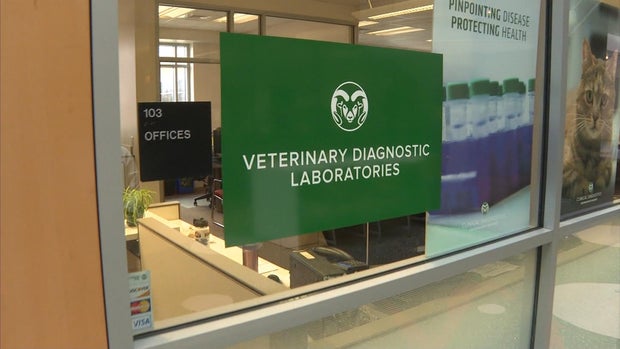
“We are the only lab in Colorado that does testing for avian influenza,” Pabilonia said. Her team has successfully detected the virus in various species, including cats, cows, and even humans. However, she emphasized that human cases are extremely rare.
“We have not had a lot of cases in the U.S. or globally,” Pabilonia explained. “This is because commercial flocks are heavily monitored to ensure they meet health standards for human consumption.”
When avian influenza is detected in commercial poultry premises, the affected birds are typically euthanized to prevent contaminated products from entering the market. This step is crucial for maintaining food safety and protecting the poultry industry.
Despite the recent outbreak, the Colorado Egg Producers organization told CBS News Colorado that it is too early to determine if the situation will affect egg prices at local stores. For now, they believe the current cases may not lead to a significant price increase.
However, experts are advising all flock owners—whether backyard or commercial—to take extra precautions to prevent their birds from becoming infected. Pabilonia stressed the importance of biosecurity measures.
“We are really encouraging backyard flock producers to practice good biosecurity,” she said. “It has been challenging for both backyard and commercial poultry industries. If you have a lot of wild birds that are positive for this virus, and they are flying around, it is hard to prevent all possible routes of introduction of the virus into your flock.”
Key Steps for Preventing Avian Influenza Spread
- Implement strict biosecurity protocols such as limiting access to the flock area and disinfecting equipment regularly.
- Monitor bird behavior and health closely, looking for signs of illness like lethargy, reduced egg production, or respiratory issues.
- Keep wild birds away by securing coops and using netting or other barriers.
- Avoid contact with other flocks or poultry sources that may be infected.
- Report any suspicious symptoms to local agricultural authorities immediately.
As the situation continues to evolve, staying informed and proactive is essential for protecting both poultry and public health.

- IDI Riau Buka Kesempatan Diskusi Dokter RSUD Tengku Rafian Siak tentang Kesetaraan Gaji - March 30, 2026
- Your Core Routine Is Incomplete Without These Oblique Exercises - March 30, 2026
- Mengapa Lutut Saya Memar Akibat Berlari? - March 30, 2026



Leave a Reply