The science of living longer: 5 workouts to enhance your healthspan now
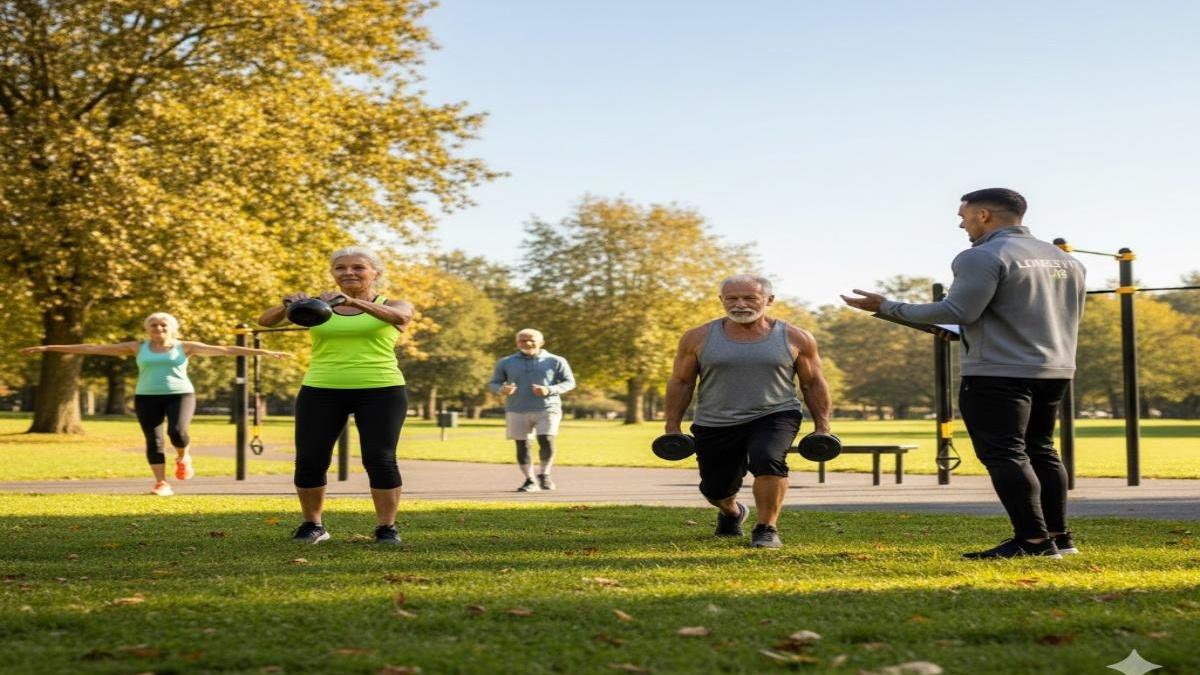
The Science of Longevity: Beyond Just Living Longer
In the field of health science, the concept of longevity has expanded far beyond simply reaching a high number of birthdays. Today, experts emphasize the importance of healthspan—the number of years you live free from chronic disease, disability, and functional decline. According to Kat Pasle-Green, a NASM-CPT at Bay Club, true longevity is about how long you can remain strong, capable, and actively engaged in life. While any form of movement is beneficial, certain types of exercise are more effective at protecting your biological systems from the effects of aging.
Resistance Training: The Foundation of Longevity
Resistance training is the cornerstone of any longevity-focused fitness routine. This type of training involves working against external loads such as dumbbells or resistance bands, and it serves as the primary defense against age-related declines in muscle mass and bone density. In addition to building strength, lifting weights improves metabolic health by reducing the risk of insulin resistance, ensuring that your body processes fuel efficiently as you age. It is the literal foundation of physical independence, allowing you to carry your own groceries and climb stairs well into your 80s.
Speed and Power: The Secret Weapons Against Aging
While strength is essential, power training—defined as the ability to generate force quickly—is perhaps an even stronger predictor of mortality. Explosive movements like kettlebell swings and medicine ball slams recruit type II fast-twitch muscle fibers, which are among the first to disappear as we age. A 2025 study published in Mayo Clinic Proceedings found that lower relative muscle power was more strongly associated with death risk than simple muscle strength, highlighting the importance of speed and reaction time for fall prevention and long-term mobility.
Cardiovascular Health: The Pillar of Longevity
Cardiovascular health remains a critical component of longevity, particularly through Zone 2 aerobic training. This involves steady-state activities such as brisk walking or cycling at 60% to 70% of your maximum heart rate. Dr. Mariana Riveros, a longevity specialist at SHA Wellness, explains that Zone 2 strengthens the heart and enhances mitochondrial function. Research suggests that moderate, sustainable activity often reduces cardiovascular mortality risks more effectively than extreme, high-intensity overtraining, making it an accessible “forever” habit.
Interval Training: Boosting Your VO2 Max
To truly enhance your biological age, incorporating interval training to boost your VO2 max is essential. VO2 max is a measure of how well your body utilizes oxygen and is considered one of the strongest predictors of mortality in exercise science. By alternating short bursts of high-intensity work with recovery periods, you can significantly reduce your mortality risk. A meta-analysis revealed that for every point your VO2 max increases, your risk of death drops by 11%.
Balance and Stability: Protecting Against Falls
As we age, the “use it or lose it” rule applies most strictly to balance and stability. Balance training helps protect against motor unit loss that leads to dangerous falls. Complementing this is core anti-rotation work, such as planks and Pallof presses, which stabilize the spine and maintain proper walking form. These exercises ensure that the power you build in your legs and arms is safely supported by a strong, resilient center, drastically improving overall quality of life and functional movement.
Loaded Carries and Scaled Plyometrics: Building a Resilient Body
Don’t overlook the benefits of loaded carries, such as farmer’s walks. Carrying heavy weights not only builds grip strength—a key marker of longevity—but also stimulates osteogenesis (bone formation). This helps maintain a dense skeletal structure, protecting you against fractures. When paired with scaled plyometrics (like light hopping or box jumps), you create a musculoskeletal system that is both dense and elastic, specifically benefiting the joint health of pre- and post-menopausal women.
Mind-Body Practices: The Final Touch for Longevity
Finally, integrating a mind-body practice like yoga provides the necessary finishing touch for a long and healthy life. Yoga preserves range of motion and gait speed while significantly boosting subjective well-being and mental health. This holistic approach ensures that as you add years to your life, you are also adding energy, mental clarity, and joy. Experts recommend a weekly target of 150 to 300 minutes of moderate activity combined with at least two strength sessions to maximize these biological rewards.
Conclusion: Preparing for the Future You Want
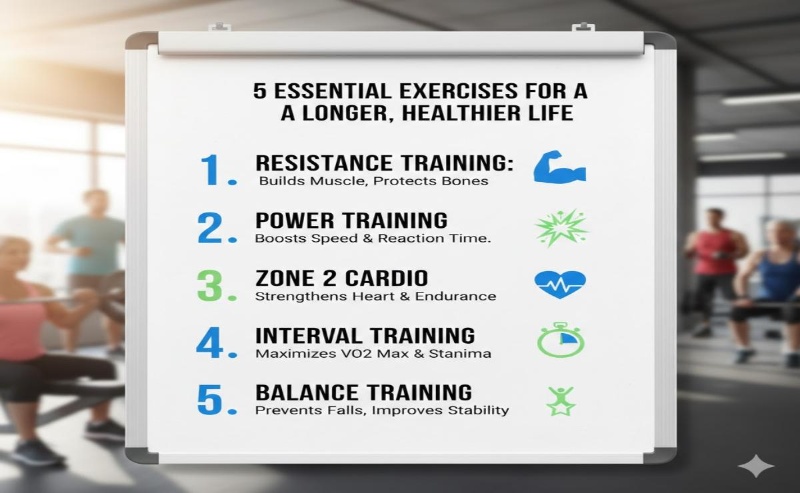
Ultimately, training for longevity means preparing your body today for the person you want to be in thirty years. Whether it’s deadlifting in your 70s or hiking in your 90s, the goal is to remain the protagonist of your own story. By mixing these five core modalities—resistance, power, aerobic base, intervals, and balance—you aren’t just surviving; you are ensuring a future defined by strength and independence.



Leave a Reply