Indian Farmers Stage Nationwide Strike Against US Trade Deal
Nationwide Strike Over U.S.-India Trade Deal
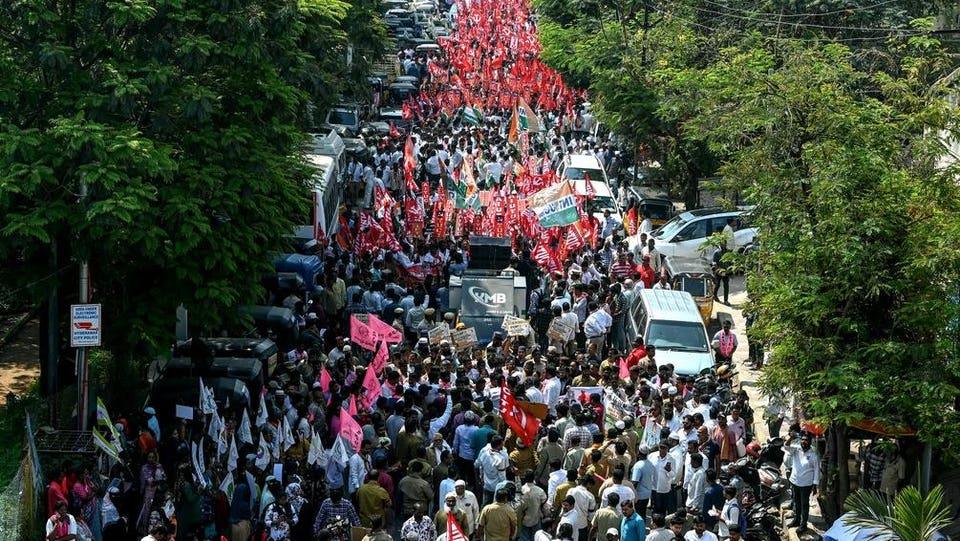
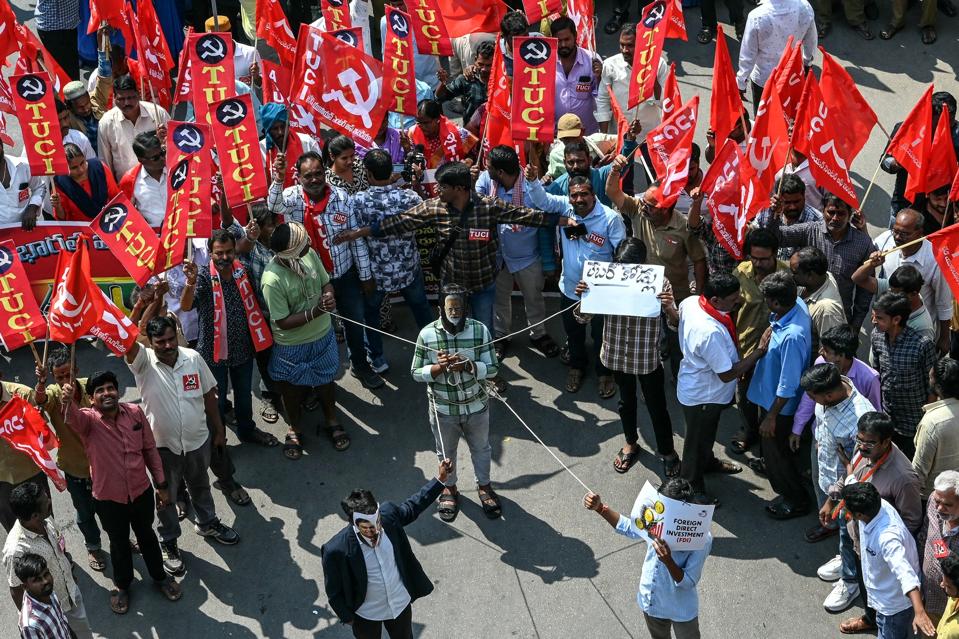
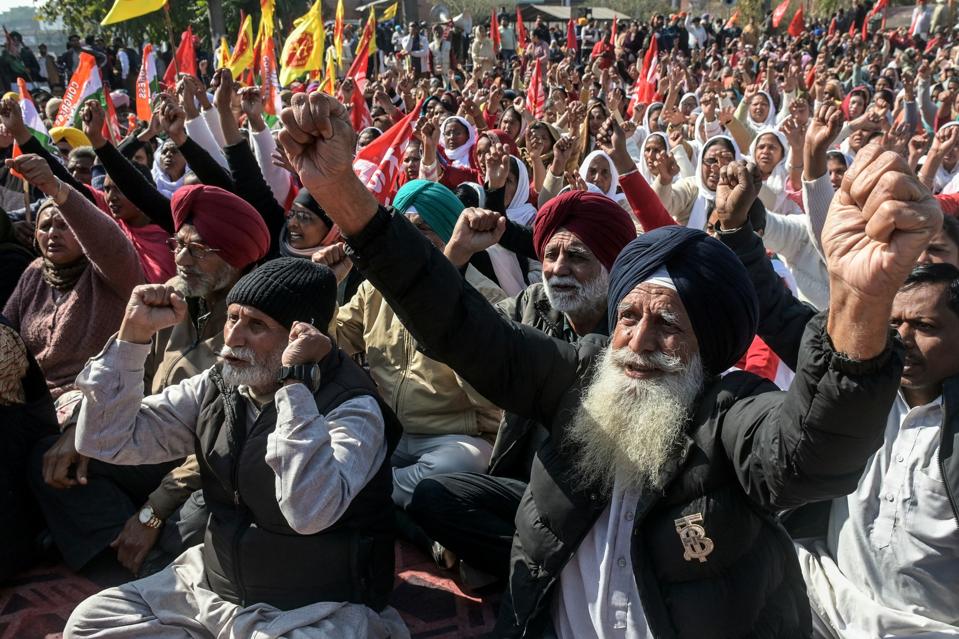
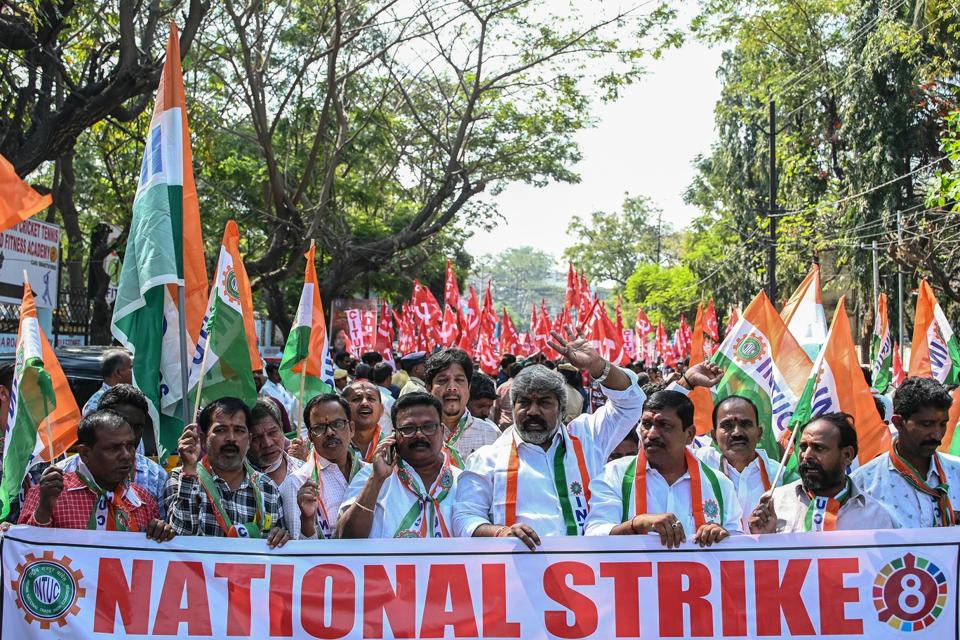
Indian farmer groups and major trade unions participated in a nationwide strike on Thursday to protest the trade deal between Prime Minister Narendra Modi’s government and the administration of former President Donald Trump. The strike aimed to express concerns that the agreement would flood the Indian market with cheaper American agricultural products, potentially harming local farmers and small industries.
Key Facts About the Trade Deal
The trade deal was announced by both Trump and Modi earlier this month. Under the agreement, the United States agreed to reduce reciprocal tariffs on India from 25% to 17%, while also eliminating an additional 25% tariff that had been imposed as a penalty for India’s continued purchase of Russian oil.
While Modi’s ruling party celebrated the deal as a win for the government and Indian exporters, it faced significant criticism from opposition leaders, farming groups, and trade unions after the details were made public. The deal has sparked fears that it could undermine the livelihoods of millions of Indian farmers who rely on domestic markets and protectionist policies.
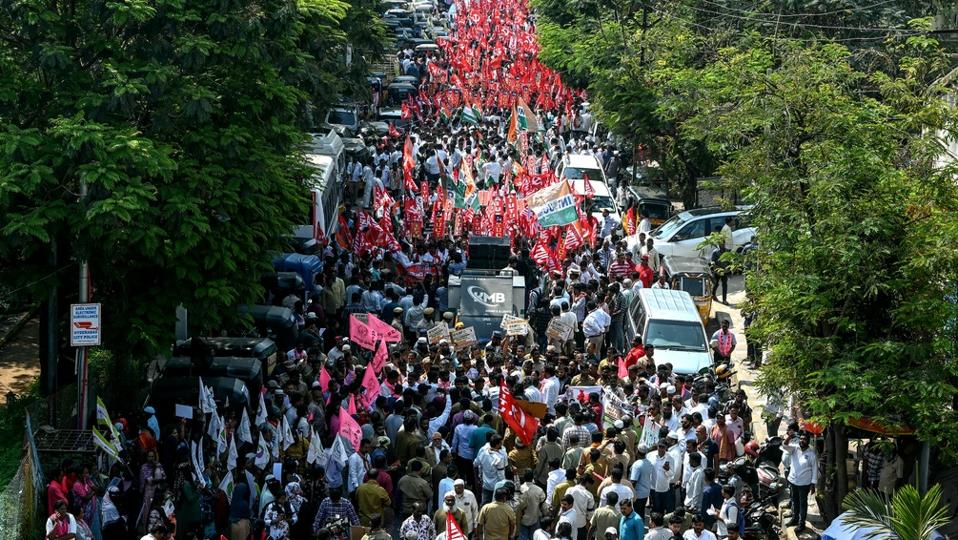
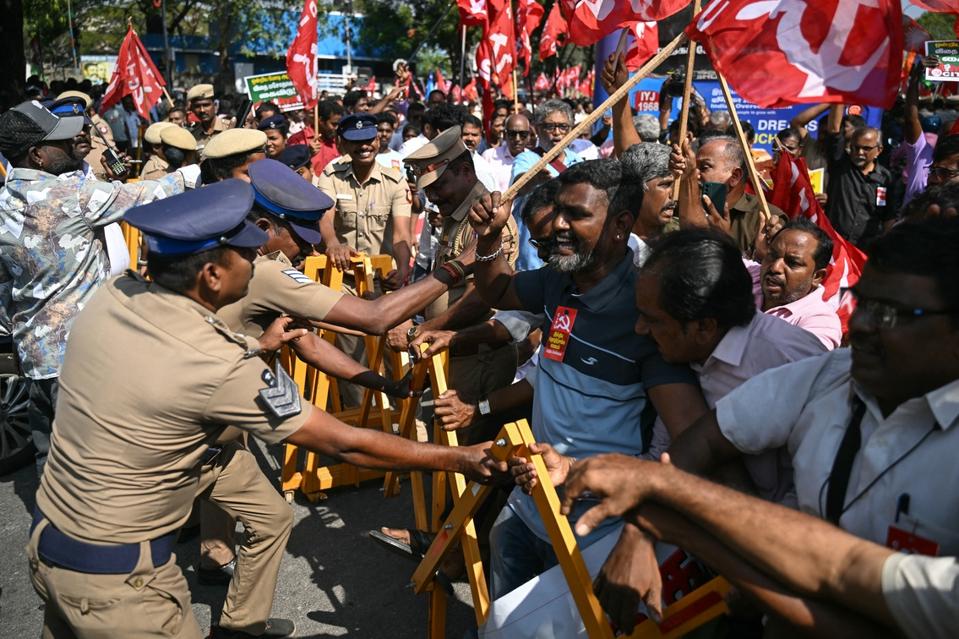
The day-long strike disrupted public services and local manufacturing activities. A joint forum of trade unions claimed that up to 300 million workers participated in the strike, though the actual number of participants remains unclear.
An official from the All India Trade Union Congress, one of the participating unions, stated in a statement shared with the Associated Press: “Cheap American farm produce will be dumped in India, making it difficult for our farmers and small businesses to compete.”
Crucial Quote from Opposition Leader
Senior opposition leader and member of the Gandhi family, Priyanka Gandhi Vadra, expressed her concerns on social media. She tweeted: “The Narendra Modi government first attacked workers’ rights with the Labor Code, and then, under pressure from the United States, compromised the interests of farmers. The conditions imposed in the US trade deal will cripple Indian farmers.”
The Challenge for Modi
The protests and strikes highlight the challenges that the U.S.-India trade deal may pose for Modi’s government. India’s $580 billion agriculture sector is heavily protected from foreign competition. Previous governments across political parties have maintained these protective measures, including minimum purchase prices for crops and high tariffs on agricultural imports, to support the tens of millions of subsistence farmers who own small plots of land and depend on manual labor.
Farmers are a powerful voting bloc, and large-scale protests in 2020 and 2021 forced Modi’s government to abandon proposed farm reforms. The current deal raises concerns that similar unrest could emerge if the government does not address the fears of farmers and laborers.
Further Reading
For more information on the impact of the U.S.-India trade deal, you can explore the following articles:
- Trump’s Trade Deal With India Has Become a Headache for Modi (New York Times)
- Congress backs nationwide strike; Rahul Gandhi, Kharge attack Centre over trade deal and labour laws (The Hindu)

- Valley Health Care menyediakan pelatihan CIT gratis untuk petugas respons pertama - March 28, 2026
- Dabble Promo: Get $10 When You Sign Up for High Point vs. Arkansas - March 28, 2026
- LPDP beri peringatan alumni tidak patuh di website - March 28, 2026

Leave a Reply