Why Wintergreen Life Savers Spark in Your Mouth, Explained

The Science Behind the Sparkling Candy
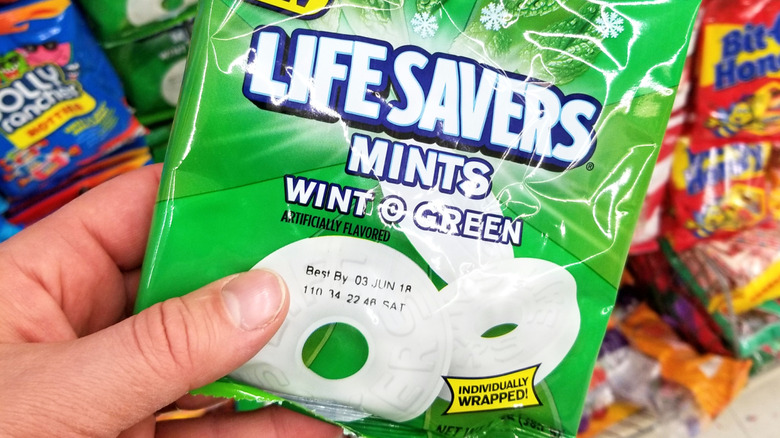
Wint-O-Green Life Savers might not be the most exciting candy on the market, especially when compared to bold flavors like sour candies. However, these small, circular mints have a unique feature that makes them stand out: they emit visible sparks in your mouth when you bite into them. This phenomenon may seem magical, but it has a scientific explanation that is both fascinating and logical.
Understanding Triboluminescence
The reason Wint-O-Green Life Savers glow is due to a process called triboluminescence. This occurs when mechanical stress, such as biting or crushing, causes a material to emit light. It’s similar to how lightning forms, but on a much smaller scale. Any activity that creates friction — like peeling off a piece of tape, tearing open a snack package, or even crushing a sugar cube — can produce this effect. However, the light emitted is usually ultraviolet, which is invisible to the human eye.
Why Wintergreen Makes the Glow Visible
What sets Wint-O-Green Life Savers apart is the presence of methyl salicylate, also known as wintergreen oil. This compound is found in the candy and acts as a fluorescent agent. It absorbs the ultraviolet light produced by the friction and converts it into visible blue light. This is why you can actually see the tiny sparks when you chew the candy.
How to Witness the Sparkling Effect
If you’re curious about seeing this phenomenon for yourself, here’s a simple way to do it:
- Materials Needed: A Wint-O-Green Life Saver, a dark room, and a mirror.
- Steps:
- Let your eyes adjust to the darkness.
- Bite into the Life Saver while keeping your mouth open.
- As you chew, you should notice small sparks in your mouth.
You can also crush the candy with pliers to achieve the same effect, but chewing is more enjoyable. These sparks are essentially tiny flashes of light, but there’s no risk of burning yourself. Instead, you’ll enjoy the refreshing wintergreen flavor.
What Is Wintergreen?
Wintergreen refers to a shrub-like plant called Gaultheria procumbens. This plant contains methyl salicylate, a compound that gives the candy its distinct minty flavor. Methyl salicylate is also used in pain-relieving creams, mouthwash, and other products. While it’s safe in small amounts, consuming large quantities can be harmful. However, you would need to eat an extremely large number of Wint-O-Green Life Savers to experience any negative effects.
Exploring More Food Fascinations
If you’re interested in learning more about food science and other interesting phenomena, there are plenty of resources available. From the history of iconic snacks to the science behind everyday foods, there’s always something new to discover. For more information, consider joining newsletters or following sources that focus on food and drink topics. You’ll find taste tests, news, deals, recipes, and cooking tips all in one place.
For further reading on this topic, you can explore more articles that delve into the world of food science and the unexpected wonders that come with it.




Leave a Reply