The Science Behind the Modern Base Season: Why Zone 2 Falls Short Now
The Evolution of Professional Cycling Training
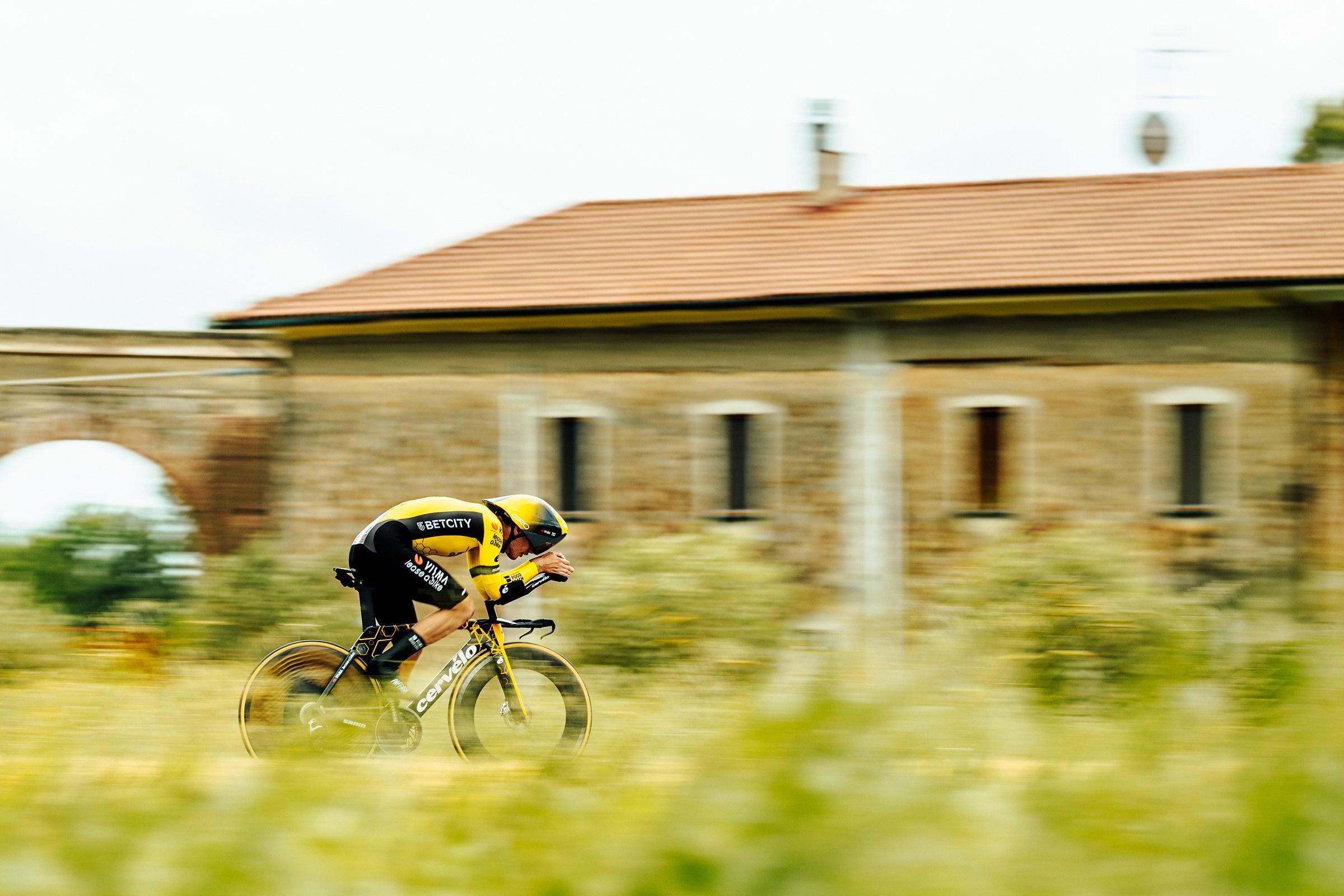
Fifteen years ago, if you were doing 40/20s in December, you would have been seen as a lunatic. Coaches, riders, trainers, and staff would have scoffed at the idea of intense training during the off-season. It was common knowledge that pushing too hard in December would lead to burnout before the season even began. Phrases like “Have fun crushing the January team camp” and “Good luck peaking in February” were often heard. However, times have changed dramatically.
Today, every professional cyclist is doing intervals in December. After a 2-4 week break, they return to an island in the Pacific to focus on tempo and VO2 Max intervals. This shift in training methodology has sparked a new era in professional cycling, where the base season no longer relies solely on Zone 2 training. The evolution of training techniques has made it necessary for cyclists to maintain high-intensity workouts throughout the year.
Old School Base Training
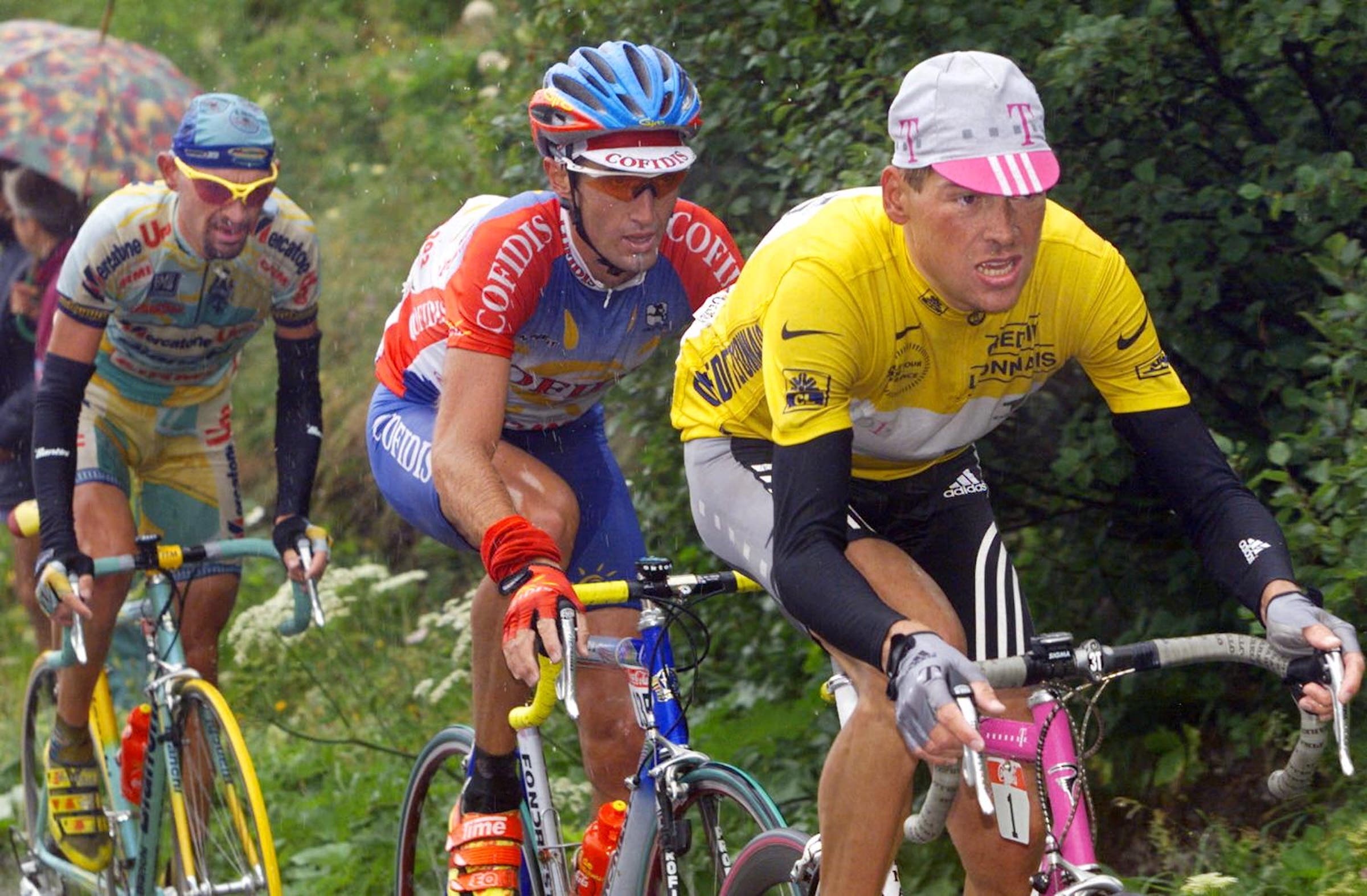
Not long ago, the best cyclists in the world would arrive at January training camps out of shape and 5kg overweight. These were Tour de France winners, world-class sprinters, and Classics legends, all enjoying the holidays at home before the “real” work began. Starting January 1st, they would train intensely, putting in 25-35 hour weeks at training camp, with little to no intensity. They would ride in Zones 1-2 all day, sometimes as long as eight hours.
Eventually, they would start inching towards race shape. By March or April, they would line up for their first race. But they were usually in terrible form, just getting through the race as training before moving onto the next one. After a few months, they would be in very good shape, ready to peak for the Tour de France in July. It was a slow buildup to a short peak, but for many riders, it worked.
Modern Day Base Training
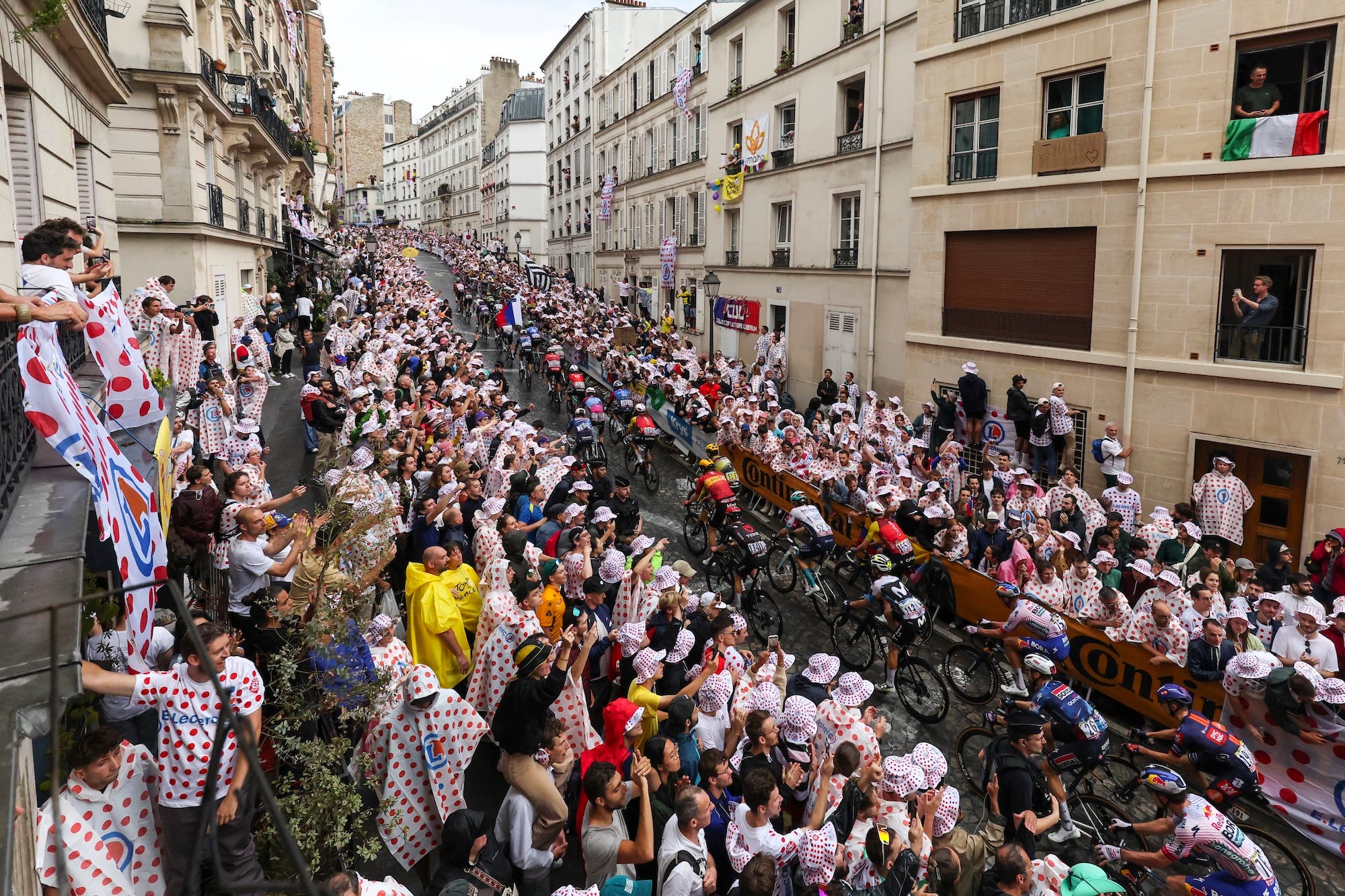
Today’s professional cyclists cannot afford to only perform in July. Instead, they need to perform for 6-9 months, typically March to October. Some riders, such as those in Australia, start racing in January and won’t finish their season until the Tour of Guangxi in mid-October. A high number of race days is both a blessing and a curse. Every professional cyclist wants to race, but with racing comes many risks. Race too much, and you could easily burn out, incapable of unlocking your peak performance due to accumulated fatigue.
Race days also come with travel, days away from home, and the risks of crashing or illness. On the other hand, more race days means more opportunities to showcase your abilities. If you race 70 times a year, you have 70 opportunities to help your teammates, make the breakaway, or go for a race-winning move. Race 35 times per year and you cut your opportunities in half.
Why Year-Round Intensity Makes You Faster
High-intensity training is a double-edged sword. You need it to get faster, but too much of it will make you slower than ever. We have seen plenty of pros in the best form of their life completely burn out and disappear from the results sheet. There are plenty of factors at play here, but overtraining and over-racing are two of the most common.
High-intensity training boosts your aerobic and anaerobic abilities. It shortens recovery between efforts, and gives you the high-end, punchy fitness you need for racing. This ability also decays quite quickly. Two weeks without a VO2 Max interval, and you can lose that high-end fitness for a period of time. But you can also maintain that punchiness with regular high-intensity interval training.
The key is that modern training has spread out high-intensity training blocks. In the past, riders might have done a three-week, high-intensity altitude camp before a goal race. They would train their endurance all winter, and then go to training camp where they would do 4-5 HIIT sessions each week. Today, riders will do two high-intensity weekly, almost year-round. Instead of concentrated HIIT blocks, the intervals become more spread out, allowing the rider to maintain “race-level” fitness for a longer period of time.
High Intensity Winter Workouts
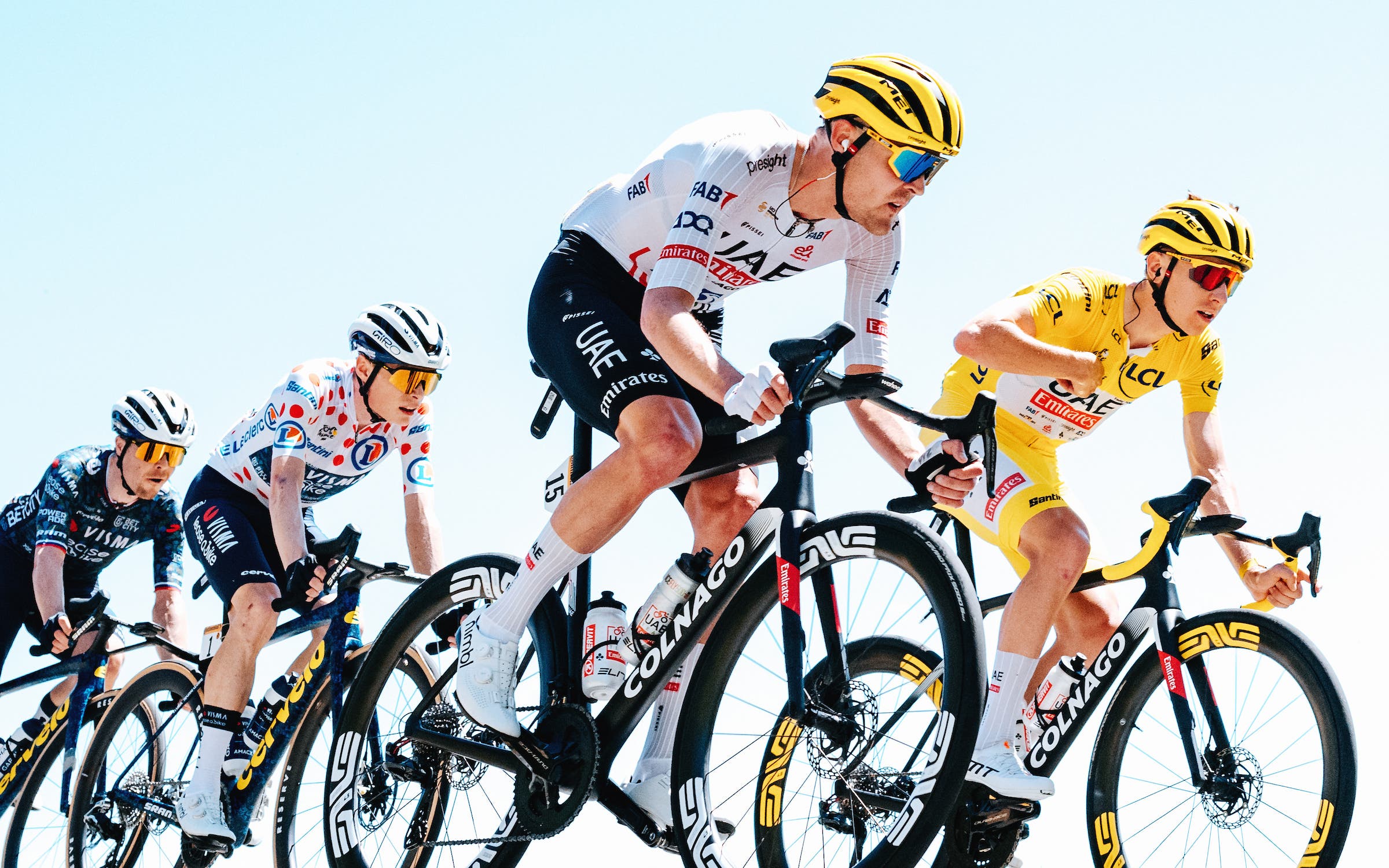
When it comes to winter training, there don’t seem to be many differences between December and April intervals. WorldTour high-intensity sessions focus on sprint ability, torque production, lactate clearance, VO2 Max development and more. The amount of specific sessions that you can do is endless, but there are two threads that I see tying almost every WorldTour rider together: torque and VO2 Max.
The modern peloton loves torque sessions, which means low cadence, high power intervals. You can do 4min torque intervals or 15min torque intervals, the choice is yours. But it seems like most WorldTour riders do three sets of 4-10 minute torque intervals at 40-50 rpm. Here is an example from Pavel Sivakov, a UAE Team Emirates-XRG rider who is known for his ability to peak, especially for the Tour de France and Road World Championships.
The Risks of Year-Round Intensity
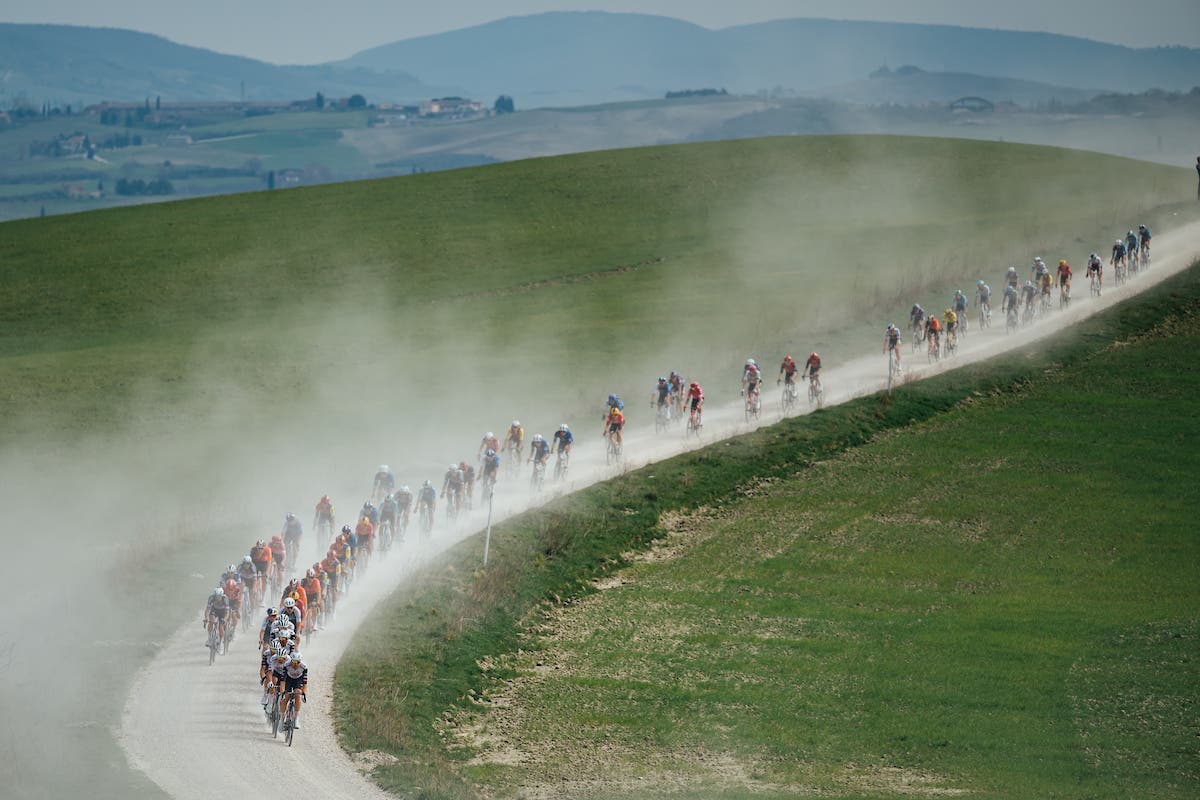
Modern cycling is more scientific and structured than ever. Many pros weigh their oatmeal in the morning, track every calorie they burn, and upload it all to their team’s proprietary nutrition app. This isn’t only happening during the Grand Tours; this is happening at December training camp.
Power meters, breathing straps, heart rate monitors, sleep trackers, and smart watches track every movement a rider makes throughout the day. Any ounce of fatigue or illness must be measured and calculated as quickly as possible. Trainers, coaches, and nutritionists work around the clock to manage their riders in an attempt to help them unlock peak performance.
But the reality is, tracking everything can make you worse. Overdoing anything – nutrition, recovery devices, hard training, altitude – can lead to physical and mental burnout. We see it every year in professional cycling. Just think of a young rider that was crushing it in 2024, yet you haven’t heard their name in over a year.
Getting Things Right
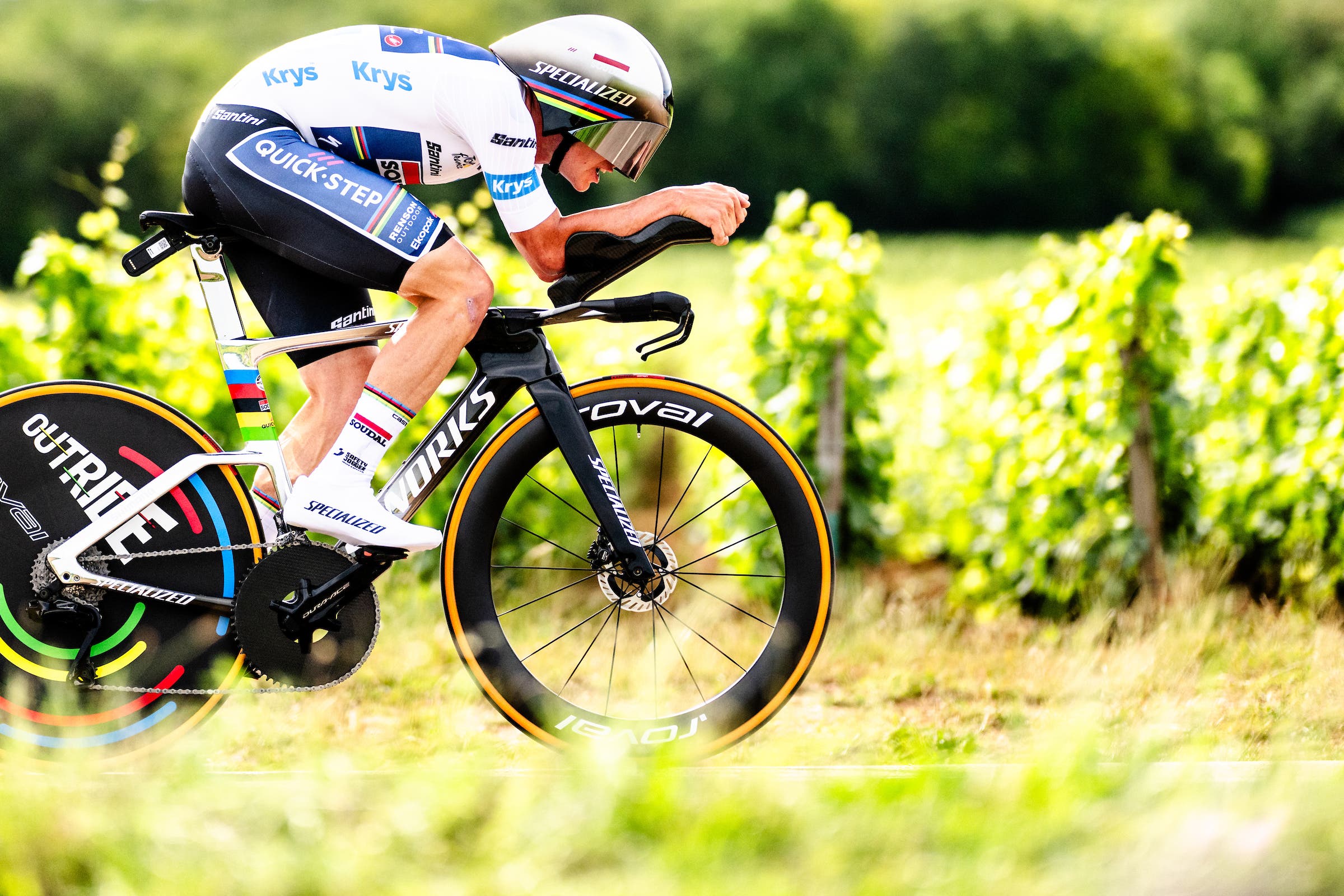
Career longevity is not at the forefront of professional cycling. Instead, we have 19-24 year old riders coming into the professional ranks thinking they have nine months to prove themselves. Most riders get 1-2 year contracts, and if you don’t perform in the first year, you get moved to the bottom of the renewal totem pole.
Training hard makes you faster, but it has to be administered in the right dose to maximize your performance in the long-term. Think of it like caffeine – caffeine will make you faster, but only when you have the right amount at the right time. If you never have caffeine, you’ll never know the benefits that it could give you. Have 300mg of caffeine half an hour before a time trial, and you will feel the difference.
But remember, more is not always better. If you start having 1000mg of caffeine every day, you will no longer get a performance boost from it. In fact, you’ll probably get slower due to all the side effects of high caffeine intake. The same goes for high-intensity training – the performance boosts are real, but only when given at the right time in the right dosage. So keep training your Zone 2 in the winter. Add in some intervals, but only 1-2 times per week. Remind yourself of the long-term vision. The goal isn’t to train so hard that you burn yourself out in a year. It’s to build a staircase of fitness that levels up year after year. The off-season is the step on the staircase, the point at which your fitness levels out after a multi-month training and racing period. Then you can add a step each year, a jump in fitness from one level to the next.

Leave a Reply