Crane Migration Sparks H5N1 Bird Flu Fears in Central Nebraska
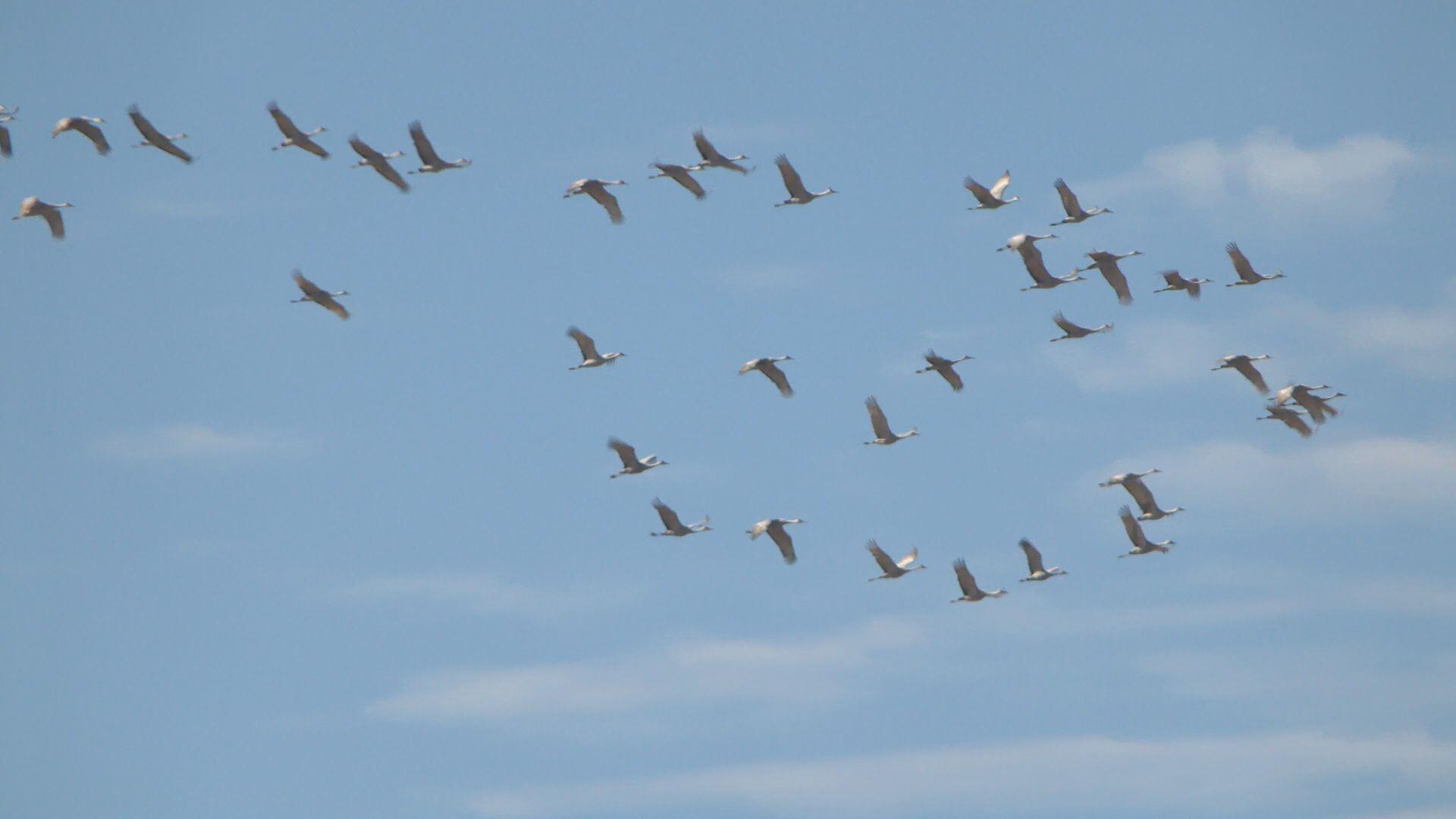
GRAND ISLAND, Neb. — Sandhill cranes and whooping cranes are starting their migration to the Tri-Cities area, but these birds are carrying H5N1 avian influenza, which has now reached the region.
The city of Grand Island has reminded residents to be vigilant and watch for any unusual behavior in birds as the virus has been detected in the state. Nebraska Game and Parks has indicated that there may be a rise in sick or dead birds around lakes, ponds, and other outdoor areas.
The virus is currently spreading among wild bird populations, and with cranes moving through central Nebraska, conservation experts are closely monitoring the situation.
Abraham Kanz, director of conservation research at Crane Trust, explained that his organization is actively tracking the disease.
“We have been sampling the environment for this disease as well as individual birds,” Kanz said. “It is something we are concerned about. There have been cases throughout the state of Nebraska.”
Kanz emphasized that there is no cure for birds infected with the virus. He also provided some signs to look out for.
“There are also natural deaths that can occur, so keeping in mind if there is a power line right where you find a bunch of corpses or if there are burn marks on them, maybe they hit that power line,” Kanz said. “But if you see a bunch in the area just drop down on the ground, then it’s very likely that it could be bird flu.”
The city of Grand Island has stated that it is following proper safety protocols when handling the disposal of any dead birds.
Residents are encouraged to report any suspicious findings to local authorities. It is important to remain cautious and informed as the situation continues to develop.
Key Points to Remember
- Monitor bird behavior: Look for signs of illness or unusual activity in local bird populations.
- Report dead birds: Contact local wildlife agencies if you come across multiple dead birds in one area.
- Avoid direct contact: Do not touch dead birds or handle them without proper protection.
- Stay updated: Follow local news and official communications for the latest information on avian influenza in the region.
What You Can Do
- Educate yourself: Learn more about H5N1 avian influenza and how it affects both wild and domestic birds.
- Practice hygiene: Wash your hands thoroughly after being outdoors, especially if you come into contact with birds or bird droppings.
- Support conservation efforts: Help protect local wildlife by following guidelines and supporting responsible environmental practices.
Additional Resources
- Nebraska Game and Parks Commission: Visit their website for updates and guidelines on avian influenza.
- Crane Trust: Check their resources for more information on crane migration and health monitoring.
- Local health departments: Reach out to your local health office for specific advice and recommendations.
By staying informed and taking necessary precautions, communities can help manage the spread of avian influenza and protect both wildlife and public health.

- Valley Health Care menyediakan pelatihan CIT gratis untuk petugas respons pertama - March 28, 2026
- Dabble Promo: Get $10 When You Sign Up for High Point vs. Arkansas - March 28, 2026
- LPDP beri peringatan alumni tidak patuh di website - March 28, 2026



Leave a Reply